Imagine coming home after a long day, plopping down on the couch, and scrolling through your favorite streaming service. You hit play on the latest episode of your go-to show, only to discover it won’t load because someone’s been hogging your internet bandwidth. You check your router and find an unfamiliar device connected to your network. Frustrating, right? This scenario is a real concern many of us face. That’s why it’s essential to learn how to enhance home network security.
Understanding Home Network Vulnerabilities
Before diving into how to enhance home network security, it’s important to grasp what vulnerabilities we’re dealing with. Your home network, like any other digital space, can be a target for unwanted visitors, be it a neighbor looking to mooch off your Wi-Fi or a hacker trying to gain access to your personal information.
Every device connected to your network—the smart fridge, thermostat, or even that seemingly harmless light bulb—can be a potential entry point for intruders. When we think about home network safety tips, we really need to consider the interconnected nature of these devices and how easy it can be for someone to slip through the cracks if we’re not careful. In my experience, many people underestimate this risk and assume their devices are safe just because they’re at home.
Change Your Default Router Settings
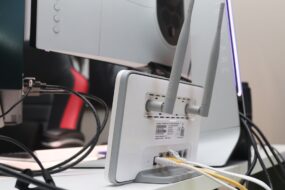
Most people don’t think about their router’s settings until something goes wrong. This is one of the first steps in knowing how to enhance home network security. When you buy a new router, it often comes with a default username and password. If you don’t change them, anyone within range can access your network. Here’s how you can protect your home network:
- Access Your Router’s Settings: You can usually do this by entering your router’s IP address in a web browser, commonly something like 192.168.1.1.
- Change the Admin Username and Password: Make it something unique. Avoid using personal information for your password.
- Update the SSID: Don’t keep the default network name. Change it to something unrecognizable, so outsiders can’t easily guess.
By making these changes, you’ll already be on the path to improved home network safety.
Secure Your Wi-Fi Encryption
Another essential tip for how to enhance home network security is choosing the right encryption type. Most routers offer different levels of security, and the weakest can often be WEP, which is outdated and easily cracked. You want to make sure you have:
- WPA3: This is the latest standard and offers the most protection.
- WPA2: If your router doesn’t support WPA3, WPA2 is the next best option.
Simply put, securing your home Wi-Fi isn’t just a checkbox on a list; it’s one of your main defenses against cyber threats. I’ve seen too many friends and family use older encryption methods out of habit, and it’s really not worth the risk.
Regularly Update Your Router Firmware
Firmware updates for your router are critical in maintaining network protection strategies. Manufacturers regularly release updates that fix vulnerabilities and improve performance. If you don’t keep up with these updates, you might be leaving the door open to potential threats.
To check for updates:
- Log into your router settings, as you did to change the default username.
- Look for an option that mentions firmware or updates.
- Follow the instructions provided to install updates.
Updating your firmware is a simple action that can go a long way in ensuring your network remains fortified.
Use Strong, Unique Passwords for All Devices
It’s a common theme among effective home network safety tips: strong passwords. This extends beyond just your router and Wi-Fi. Any device connected to your network should have a strong and unique password. Consumers mistakenly reuse the same password across multiple devices, thinking it’s easier that way. Here’s the truth: if one device gets compromised, everything else linked to that password is at risk.
As a best practice:
- Use at least 12 characters, including numbers, symbols, and a mix of upper and lower case letters.
- Change your passwords regularly—every three to six months is a good rule of thumb.
- Consider using a password manager to keep track of your various passwords.
I can’t stress enough how using strong, unique passwords is key to reinforcing those network protection strategies.
Disable Unused Features
Most routers come with various features—guest networks, remote management, and others—that might not be necessary for your household. Every feature you leave enabled increases your risk. So, identify what you need and disable everything else.
- Guest Network: If you don’t have guests often, consider turning this off.
- Remote Management: If you don’t need to access your router settings from outside your home, it’s best to turn this off.
By minimizing the features your router is managing, you reduce the number of potential vulnerabilities.
Monitor Connected Devices
Your router should have a capability to see how many and which devices are connected to your home network. Regularly monitoring this list allows you to quickly spot any unauthorized users. If you see a device that isn’t yours, you can take action immediately.
Here’s how to monitor your devices:
- Log in to your router settings and navigate to the section that lists connected devices.
- Take note of what’s connected. If you see an unknown device, use the option to block it.
Taking this step can prevent unwanted access and is essential for knowing how to enhance home network security. I’ve had friends who appreciated discovering unfamiliar devices before it was too late!
Consider Additional Security Measures
While the tips above lay a good foundation, you may want to reinforce your home network security even further. Consider these additional measures:
- VPN: A Virtual Private Network encrypts your data, making it safer when browsing the web, especially on public Wi-Fi.
- Network Firewall: Some routers have built-in firewalls but consider adding an extra layer of protection with additional firewall software.
- Network Segmentation: If you have smart devices, consider putting them on a separate network to isolate them from more critical devices.
These tactics may require a bit of additional knowledge or investment but can be worth it in protecting your digital life.
Keep Educating Yourself
Home network security isn’t a one-and-done task. It’s something that requires ongoing diligence. Regularly educate yourself about new threats and countermeasures. Follow tech blogs, subscribe to security newsletters, or join forums where topics like how to enhance home network security are discussed.
Staying informed will not only give you the tools you need but also the confidence to manage your network effectively.
In conclusion, when it comes to how to enhance home network security, small consistent efforts can make a significant difference. Strengthening these layers of protection—through changing default settings, using strong passwords, and staying updated—can drastically improve your home network’s safety. Don’t just take my word for it; take action today and enjoy your digital life with peace of mind.