Imagine this: you’re all set for a cozy evening binge-watching your favorite show, popcorn at the ready, and suddenly, the screen freezes. You check your Wi-Fi, and the little spinning wheel mocks you. Sound familiar? It’s frustrating, right? Most of us experience this at some point, especially when we rely heavily on our home Wi-Fi networks for everything from streaming to remote work. But the good news is that you can optimize your home Wi-Fi network performance to keep those interruptions to a minimum. Let’s explore how to improve Wi-Fi speed and enhance your network experience.
Understanding Wi-Fi Basics
Before diving into how to optimize home Wi-Fi network performance, it’s essential to understand the basics of Wi-Fi. At its core, Wi-Fi is a technology that allows devices to communicate wirelessly. It operates through radio waves, sending and receiving data between your router and various devices like smartphones, tablets, and laptops. The strength and quality of this communication depend on several factors, including distance, interference, and even the number of devices connected at the same time.
Choose the Right Router
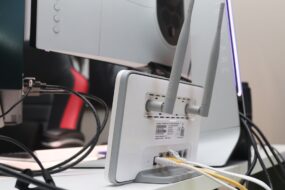
The foundation of a strong Wi-Fi network starts with your router. The right router can make a world of difference in wireless performance. Not all routers are created equal; some are designed for larger homes with multiple devices, while others might not handle heavy traffic well.
- Dual-Band vs. Single-Band: A dual-band router operates on both 2.4 GHz and 5 GHz frequencies. The 2.4 GHz band allows for a wider range and better penetration through walls, while the 5 GHz band typically offers higher speeds with less interference. For most households, a dual-band router is the better option.
- Wi-Fi Standard: Look for a router that supports the latest Wi-Fi standards. As of now, Wi-Fi 6 has started hitting the market, which offers improved speed and efficiency, especially if you have a lot of devices connected.
Placement Matters
You could have the best router on the market, but if it’s tucked away in a corner or behind thick walls, it won’t deliver the performance you expect. Positioning your router strategically can greatly enhance your Wi-Fi performance.
In my experience, placing your router in a central location of your home is crucial. Avoid areas like basements or closets where signals may struggle to reach. Keep it elevated, away from electronic devices that could cause interference, such as microwaves and cordless phones. If possible, position it in an open area for the best signal distribution.
Secure Your Network
Did you know that an unsecured Wi-Fi network can slow down your connection? If unknown devices are connected to your network, they could drain your bandwidth, impacting your speed and overall network performance. Here are some simple tips to secure your Wi-Fi:
- Change the Default Password: Many routers come with a default password that can be easily guessed. Change it to a strong, unique password and do the same for the network name (SSID) to avoid easy access.
- Enable WPA3 Security: If your router has this option, enable WPA3 for improved security.
- Regularly Update Firmware: Manufacturers often release updates that can improve performance and security. Make it a habit to check for updates periodically.
Minimize Interference
Interference is a significant factor in Wi-Fi performance. There are various sources that can disrupt your signals, including physical barriers and other electronic devices. Here are some practical Wi-Fi network tips to minimize interference:
- Use Ethernet Cables: For stationary devices like gaming consoles and desktop computers, using an Ethernet cable can boost speed and reliability. It minimizes the load on your Wi-Fi network.
- Identify Interference: If you live in a densely populated area, neighboring Wi-Fi networks might be crowding the 2.4 GHz band. Use a Wi-Fi analyzer app to find the least congested channels and switch your router’s channel settings accordingly.
Manage Connected Devices
Do you often have all devices running at once? Each device connected to your Wi-Fi consumes bandwidth. To optimize home Wi-Fi network performance, consider what devices are online and how many are active simultaneously. Here’s how to manage them effectively:
- Prioritize Devices: Many modern routers come with Quality of Service (QoS) settings that allow you to prioritize which devices receive more bandwidth. Set your smart TV for streaming and limit bandwidth for those less critical devices like older phones.
- Disconnect Unused Devices: Regularly review what’s connected to your network. If certain devices aren’t being used, disconnect them to free up bandwidth.
Wi-Fi Extenders and Mesh Systems
If you’ve tried various methods and still experience weak signals in certain areas, it might be time to consider Wi-Fi extenders or a mesh Wi-Fi system. Here’s what you should know about both:
- Wi-Fi Extenders: These devices amplify your existing signal, extending your network reach. They can be a quick fix for areas in your home where the signal is weak.
- Mesh Wi-Fi Systems: A more advanced option, mesh systems consist of multiple nodes that communicate with each other to deliver a strong signal throughout your home. These are especially useful in larger spaces, as they create a unified network instead of relying on a single router.
Regular Maintenance and Troubleshooting
No network is perfect, and over time, even the best setups can encounter issues. Regular maintenance is key to keeping everything running smoothly. If you run into problems, here are some helpful Wi-Fi troubleshooting tips:
- Restart Your Router: Sometimes, a simple reboot can solve connectivity issues. Power off your router, wait a minute, and turn it back on.
- Check for Firmware Updates: As mentioned earlier, staying updated can prevent performance issues. Check the manufacturer’s website for any pending updates regularly.
- Test Your Speed: Use online speed tests to determine whether you’re getting the speeds you’re paying for. If your speed is significantly lower than expected, further investigation may be necessary.
Conclusion
Optimizing your home Wi-Fi network performance isn’t just about having the latest technology; it’s about managing and maintaining what you have. Implementing these strategies can vastly improve your Wi-Fi speed and provide a more enjoyable online experience. Remember, small tweaks can lead to significant improvements. With a little effort and attention, you can keep buffering to a minimum and make the most of your home network.
The next time the spinning wheel appears, you’ll have the tools to tackle the issue head-on. So grab that popcorn, settle in, and enjoy a smoother internet experience!