Imagine you’re trekking through the lush mountains of Nepal or lounging on a picturesque beach in Thailand, when suddenly, disaster strikes—a slip and fall leaves you with a sprained ankle, or a sudden illness forces you to seek medical attention. The thought of such scenarios might be scary, but they highlight the importance of travel insurance for backpackers. While you might feel invincible with a backpack stuffed with essentials, a solid backpacking insurance plan can make all the difference.
Choosing the best travel insurance for backpackers isn’t just about grabbing the cheapest option. It requires understanding your unique needs, risks, and the places you’ll be exploring. Join me in this backpacking insurance guide as we unravel the essentials of selecting the right policy.
Understanding the Importance of Travel Insurance
Many backpackers question whether they really need travel insurance. In my experience, it can offer peace of mind that’s worth its weight in gold. While backpacking often brings a sense of freedom, it can also expose you to numerous risks—from minor inconveniences like lost luggage to serious accidents that lead to hefty medical bills.
- Medical Coverage: Getting sick or injured in a foreign country can be expensive. Travel insurance can help cover these costs, ensuring you get the care you need.
- Trip Cancellations: Plans change. If you have to cancel your trip due to unforeseen circumstances, travel insurance helps you recoup lost expenses.
- Lost or Stolen Belongings: Whether it’s your passport or your camera, travel insurance can mitigate the financial impact.
Key Factors to Consider When Choosing Insurance
When searching for the best travel insurance for backpackers, there are several key factors you should keep in mind. Here’s what most people get wrong, thinking it’s all about price. While cost is important, the coverage you need varies based on your travel plans and personal risk tolerance.
Destination Specific Coverage
Some policies will not cover you in certain regions where there is a high risk of political unrest or natural disasters. Always check if your intended destinations are included in the policy. This might sound obvious, but many travelers overlook this detail.
Adventure Activity Coverage
If you’re planning on tackling activities like mountain climbing, scuba diving, or bungee jumping, not all travel insurance policies will cover injuries resulting from these activities. Make sure your plan includes specific coverage for adventure sports—this is crucial for backpackers.
Policy Limits and Exclusions
Understanding the limits of your policy is vital. Some policies may have maximum payout limits for medical emergencies or might not cover situations like self-inflicted injuries or substance-related incidents. It’s essential to read the fine print or ask a representative for clarification.
What Travel Insurance Should Include
When selecting the best travel insurance for backpackers, ensure that your policy includes the following key coverages:
- Emergency Medical Cover: This should include hospitalization, emergency medical evacuation, and repatriation.
- Trip Interruption and Cancellation: Look for a plan that covers various causes of cancellation or interruption, such as illness, family emergencies, or unexpected events.
- Lost Luggage and Personal Belongings: Coverage for lost or stolen bags and personal items can help recover the costs.
- 24/7 Assistance: Having access to support anytime can be a lifesaver; it helps you handle emergencies effectively while abroad.
Finding Affordable Travel Insurance
One of the biggest misconceptions among backpackers is that all travel insurance is prohibitively expensive. The truth is, affordable travel insurance is available if you know where to look. Here are a few travel insurance tips to keep costs manageable:
- Shop Around: Don’t settle for the first quote you receive. Use comparison websites to evaluate different options side by side.
- Evaluate Your Coverage Needs: Tailor your policy to cover only what you need. For instance, if you’re not planning on engaging in extreme sports, don’t pay for coverage you won’t use.
- Consider Annual Insurance: If you travel frequently, an annual policy can often be more cost-effective than purchasing separate insurance for each trip.
The Role of Reviews and Recommendations
Before choosing a travel insurance provider, consider the experiences of other backpackers. Check online reviews and forums. Websites dedicated to travel communities, like Lonely Planet or Reddit, often have discussions that shed light on the most reliable insurers and the best travel insurance for backpackers.
Don’t hesitate to ask fellow travelers about their experiences. Personal recommendations are often invaluable when it comes to understanding how a provider handles claims and customer service.
Understanding Claims Process
Even the best travel insurance for backpackers won’t do you much good if you don’t know how to file a claim. Before purchasing, familiarize yourself with the claims process. It should be straightforward:
- Gather Documentation: Keep receipts, medical records, and any other relevant documents handy. You’ll need these to support your claim.
- Submit Promptly: File your claim as soon as possible after an incident. Most insurers have a time limit for claims.
- Follow Up: If you don’t hear back, don’t hesitate to follow up. Being proactive can speed up the claims process.
Final Thoughts: Backpacking Insurance Made Easy
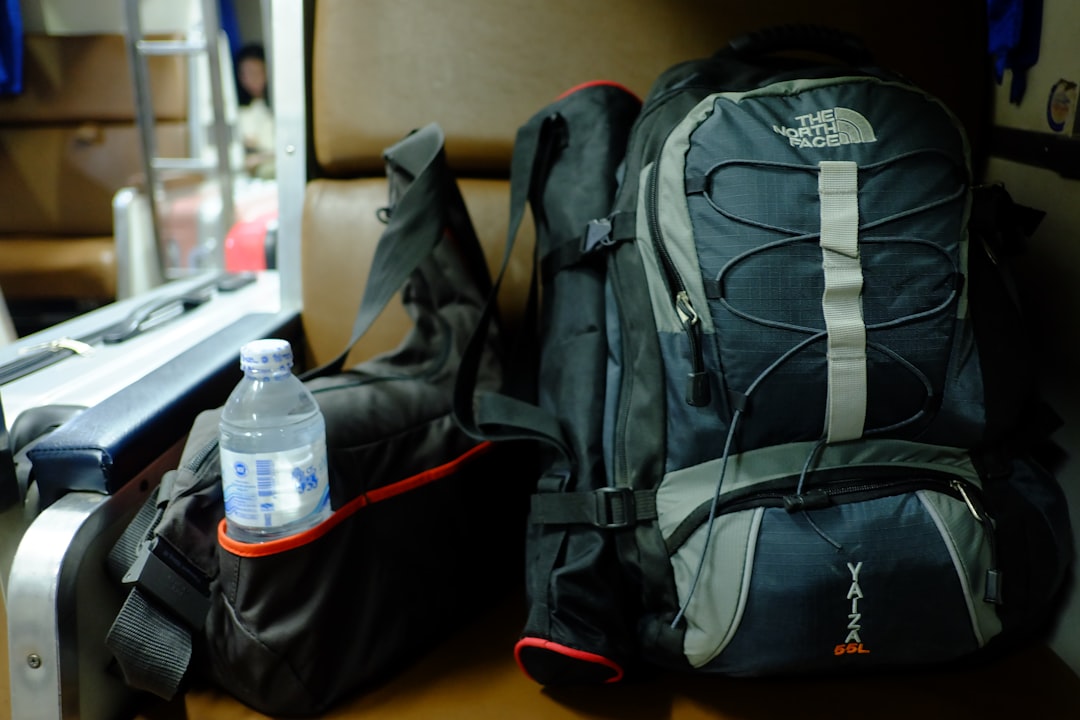
Packing a backpack is thrilling; it symbolizes freedom, adventure, and discovery. Yet, don’t neglect the safety net that travel insurance provides. From spontaneous trips to meticulously planned adventures, the best travel insurance for backpackers offers protection against the unexpected, ensuring that your memories are filled with joyful experiences rather than regrets.
Take the time to assess your needs, compare policies, and seek advice from experienced backpackers. In the end, investing in the right backpacking insurance gives you the confidence to explore more freely, knowing that you’re covered, no matter what comes your way. Safe travels!