Ever tried binge-watching your favorite series, only to have your Wi-Fi signal drop at the most crucial moment? It’s frustrating, isn’t it? Weak connections can really ruin your experience, whether you’re streaming, gaming, or working from home. That makes improving your Wi-Fi connection a top priority. But how do you boost Wi-Fi signal in your home effectively?
Understand Your Current Wi-Fi Setup
Before you start making changes, it helps to understand your current Wi-Fi setup. Most routers have a typical range of about 150 feet indoors, but this can vary significantly based on several factors. Are there walls or other obstructions between your router and the areas where you need a signal? What type of router do you have? Knowing the answer to these questions can guide your next steps.
Positioning Your Router
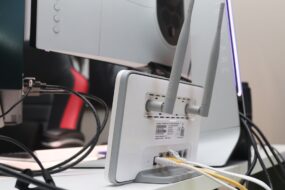
Believe it or not, the placement of your router can make a world of difference. Here’s what most people get wrong: they stick the router in a corner or in a closet, thinking it doesn’t matter where it goes. In reality, the best position is central in your home. Ideally, it should be located high up, like on a shelf or mounted on a wall, to spread the signal more evenly.
- Avoid placing the router near metal objects or electronic devices that might interfere.
- Don’t hide it away in a cabinet; give it open space!
- If possible, place it elevated and in a room where you use the internet most.
Check for Interference
Wireless signals can be bothered by a number of devices, causing your speeds to plummet. Microwave ovens, cordless phones, and even baby monitors can interfere with your Wi-Fi signal. If you suspect interference, try the following:
- Change the frequency band of your router. Most modern routers operate on both the 2.4 GHz and 5 GHz bands. If you’re on 2.4 GHz, switch to 5 GHz for less interference.
- Identify which channel your neighbors are using. If there’s a crowded channel nearby, switch to a less congested one.
Upgrade Your Router
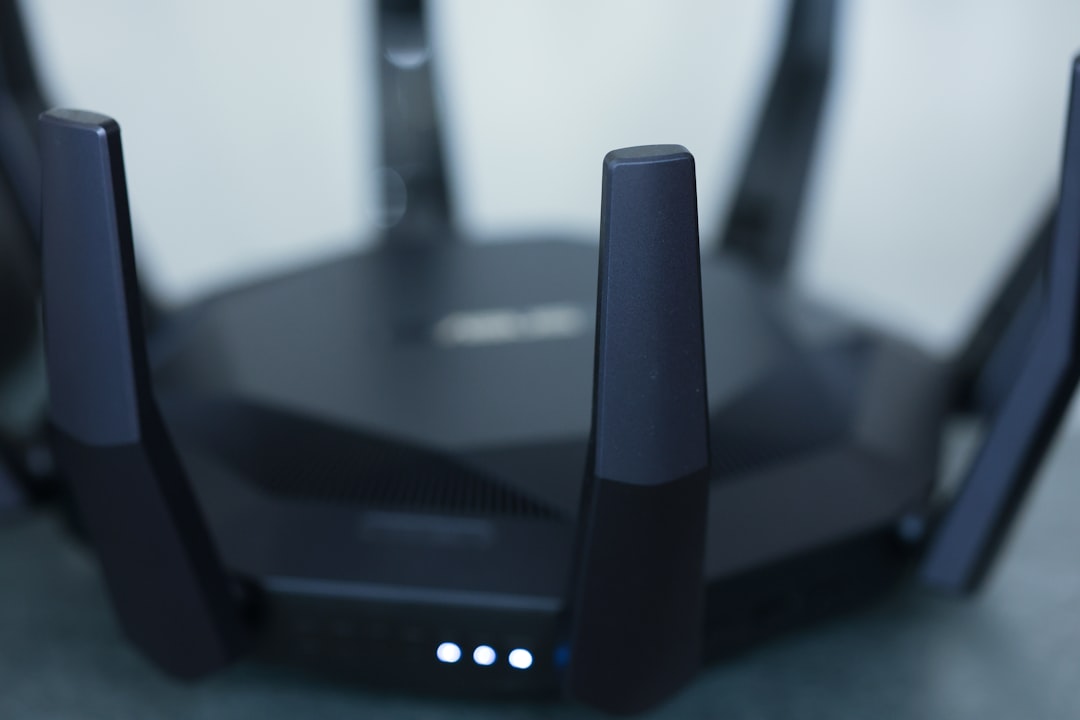
If your router is a few years old, it might be time for an upgrade. Newer models come with better technology that can significantly improve your Wi-Fi connection. Look for routers that offer features like dual-band support and improved antennas. In my experience, investing in a high-quality router pays off in the long run, especially if you have multiple devices connected simultaneously.
Consider a Wi-Fi Extender
If your home is large or has multiple floors, a Wi-Fi extender might be the answer to boost Wi-Fi signal in your home. These nifty devices capture your existing Wi-Fi signal and extend its range, giving you better coverage throughout. Here’s what you should know:
- Place the extender halfway between your router and the area needing coverage.
- Check that it’s within the router’s signal range; otherwise, it won’t improve your connection.
- Some extenders come with their own apps for easier setup and management.
Mesh Wi-Fi Systems
If you consistently have trouble in various spots around your house, a mesh Wi-Fi system might be a good long-term solution. These systems consist of multiple nodes working together to provide consistent coverage. Here’s why they might be beneficial:
- They create a single network, so you won’t have to switch networks when moving around your home.
- The nodes communicate with each other, providing a more solid connection and eliminating dead zones.
Optimize Your Internet Plan
Sometimes the solution to improve your Wi-Fi connection isn’t about hardware but your internet plan itself. Check what speed you’re paying for and compare it to your needs. If you regularly stream 4K videos or game online, you might require higher speeds. Call your internet service provider (ISP) to see if better plans are available, and don’t forget to inquire about promotions.
Keep Your Devices Updated
Your router isn’t the only device that needs updating. Make sure all the devices connected to your network are running the latest software. Outdated firmware can lead to poor performance and connectivity issues. Also, try to limit the number of devices connected to your Wi-Fi network at the same time, especially bandwidth-heavy ones.
Conclusion
Boosting Wi-Fi signal in your home doesn’t have to be complicated. Whether it’s repositioning your router, getting a Wi-Fi extender, or upgrading your internet plan, there are plenty of solutions to consider. You might even find that small adjustments make a big difference in your connection. Don’t let a weak signal disrupt your online activities—take charge and optimize your Wi-Fi today!
Have any tips of your own? Share your experiences in the comments below!