It’s late evening, and you’re ready to settle in for a binge-watching session of your favorite show. But as you hit play, the dreaded buffering icon appears, spinning endlessly. Frustrating, right? Or maybe you’re in the middle of an important video conference for work, and your internet connection drops. These moments often make you wonder: is my Wi-Fi as good as it could be? If you’re asking yourself how to optimize your home Wi-Fi network performance, you’re in the right place. Let’s dive into some practical tips that can improve Wi-Fi speed, enhance internet connectivity, and boost your overall online experience.
Why Does Wi-Fi Performance Matter?
Wi-Fi is so ingrained in our daily lives that we barely notice it—until it falters. Whether you’re working from home, gaming online, or streaming videos, a reliable Wi-Fi connection is essential. But here’s what most people get wrong: they often overlook the small tweaks that can make a significant difference in their network performance.
Understanding Your Wi-Fi Signal Strength
Your Wi-Fi signal strength can dramatically affect your internet speed. Weak signals make your devices struggle to connect, causing slow loading times and dropped connections. Before diving into optimization techniques, it’s essential to gauge your current signal strength. Most smartphones and laptops have a built-in Wi-Fi analyzer. You can also use apps like NetSpot or Wi-Fi Analyzer to assess how strong your signal is throughout your home.
Choosing the Right Router Position
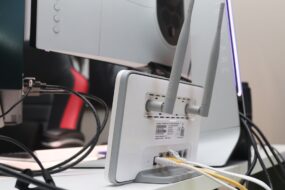
I’ve seen countless people set their router in the corner of the house or hidden behind a bunch of clutter. Trust me, that’s one of the biggest mistakes you can make. Your router’s position is crucial for optimizing your home Wi-Fi network performance. Here are a few tips:
- Central Location: Place your router in a central location in your home. This allows for a more even distribution of the Wi-Fi signal.
- Elevate it: Setting your router on a shelf rather than on the floor can help expand its reach.
- Avoid Obstacles: Keep the router away from walls, metal objects, and other electronics that can interfere with the signal.
Wi-Fi Frequency Bands: 2.4 GHz vs. 5 GHz
Most modern routers operate on two frequency bands: 2.4 GHz and 5 GHz. Here’s a quick breakdown of what each offers:
- 2.4 GHz: Better range but slower speeds. This band penetrates walls and obstacles more effectively.
- 5 GHz: Faster speeds but shorter range. If you’re in the same room as the router, this band can provide a significant boost.
In my experience, a dual-band router gives the best of both worlds. By connecting devices that require more speed—like gaming consoles or smart TVs—to the 5 GHz band, and using the 2.4 GHz for other devices, you can optimize your home Wi-Fi network performance significantly.
Smart Device Management: Prioritizing Your Network
With so many smart devices in homes today—from refrigerators to light bulbs—managing your network has become more complex. One effective way to enhance internet connectivity is by prioritizing your devices. Most routers offer Quality of Service (QoS) settings that allow you to give bandwidth preference to specific devices. This means that when you’re working or streaming, those activities get the most reliable connection.
Updating Your Router: Is It Time for a Change?
Let’s face it: technology moves fast. If your router is more than a few years old, it might not be equipped to handle today’s demands. Upgrading your router can boost your speeds and provide better coverage. Look for one that supports the latest Wi-Fi standards (like Wi-Fi 6) for improved performance.
Also, don’t forget to keep your router’s firmware updated. Manufacturers often release updates to fix bugs and enhance performance. Check the manufacturer’s website or use the router’s settings page to download the latest version.
Wi-Fi Extenders and Mesh Networks: To Use or Not to Use?
If you’ve assessed your network and find that certain areas of your home still experience weak signals, you might consider investing in a Wi-Fi extender or a mesh network system. Each has its pros and cons.
- Wi-Fi Extenders: These devices amplify your existing signal but can sometimes lead to latency issues. They’re cheaper and can improve coverage in dead zones, but they may not be a one-size-fits-all solution.
- Mesh Networks: Mesh systems provide a series of nodes that connect to your router, creating a network that covers a larger area without sacrificing speed. Although pricier, in my experience, they offer a consistent and reliable connection throughout your home.
Regularly Testing Your Connection
After optimizing your home Wi-Fi network performance, it’s important to conduct regular speed tests. Services like Speedtest.net or Fast.com are great for checking your connection speeds. Test your internet speed during different times of the day to see if there are any fluctuations. This can help you understand peak usage times, which is particularly beneficial if you share your network with roommates or family.
Conclusion: Solidifying Your Wi-Fi Experience
Optimizing your home Wi-Fi network performance might seem daunting at first, but by implementing these strategies, you can substantially improve your experience. Whether it’s choosing the right router, managing your devices wisely, or considering a workspace-friendly solution like a mesh network, each step is significant in enhancing your Wi-Fi speed and signal strength.
Remember, your Wi-Fi should work for you—not the other way around. By taking these actionable steps, you might just find that your streaming, gaming, and working online becomes a lot more enjoyable. So, why settle for less when a quick investment of time and an understanding of your setup can lead to a better internet experience?