Imagine this: you’re all set for a cozy movie night. The popcorn’s popped, the drinks are chilled, and you’re ready to stream your favorite flick. But wait—your Wi-Fi speeds come to a screeching halt. Frustrating, right? It’s safe to say that optimizing your home Wi-Fi network speed is a priority for many of us. With more of our lives relying on a steady internet connection, let’s explore effective strategies to enhance home internet performance and improve your Wi-Fi signal.
Understanding Your Wi-Fi: The Basics
If you want to optimize your home Wi-Fi network speed, you first need to understand how Wi-Fi works. Wi-Fi is essentially a radio signal. Your router sends out signals to your devices in your home, which then connect to the internet. The strength of that signal affects how quickly you can download data, stream videos, and play games online. Knowing what affects this signal can help you make smart decisions when looking to boost your Wi-Fi speed.
Router Placement: An Overlooked Factor
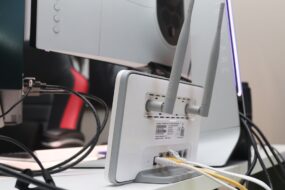
One of the most common mistakes people make is placing their router in the far corner of the house or behind bulky furniture. I can’t stress enough how much of a difference proper placement makes. Ideally, your router should be in a central location, elevated off the ground. This way, it can distribute the signal more evenly throughout your home.
Here are tips on optimal router placement:
- Place the router in a high, open area—avoid putting it in cabinets.
- Avoid placing the router near walls or appliances that may block the signal.
- Consider the distance to the devices you use most often; close proximity can enhance Wi-Fi speed.
Interference: Identify and Mitigate
Wi-Fi signals can easily be disrupted by various household items. From microwaves to cordless phones, many electronic devices operate on similar frequencies and can interfere with your connection. In my experience, many people overlook this factor. Here’s how to improve Wi-Fi signal strength by minimizing interference:
- Keep your router away from electronic devices that can cause interference.
- If possible, switch to a dual-band router, which allows you to use both 2.4 GHz and 5 GHz bands. The 5 GHz band is typically less crowded.
- Experiment with changing the Wi-Fi channel on your router if you live in a densely populated area.
Update Your Router’s Firmware
Are you using an outdated router? You might be missing out on faster speeds and better security. Regularly updating your router’s firmware can significantly improve performance. Most manufacturers release updates that fix bugs and enhance speed. Here’s how you can check for updates:
- Log into your router’s web interface using its IP address.
- Look for a firmware update section—most routers will have this option.
- Follow the prompts to download and install any available updates.
Secure Your Network: Keep Interlopers Out
Another common issue that can slow down your connection is unauthorized users accessing your Wi-Fi network. If your neighbors or nosy friends have your password, it’s time to secure your network. After all, why allow others to hog your bandwidth? Here’s how to keep your Wi-Fi safe:
- Change your passwords regularly and opt for a complex combination.
- Use WPA3 encryption if your router supports it; it’s the latest and most secure option.
- Disable any guest networks unless absolutely necessary.
Upgrade Your Hardware: Router and Extenders
If you’ve tried everything and your speeds are still lagging, it might be time to consider new hardware. While not everyone needs a top-of-the-line router, investing in a decent one can lead to significant improvements. Look for these features when shopping:
- Dual-band support to take advantage of 5 GHz speeds.
- MU-MIMO technology, which allows multiple devices to connect without slowing down.
- High-performance antennas to improve signal range and strength.
Additionally, if you have a larger home, adding Wi-Fi extenders can help. These devices expand your network coverage, allowing you to maintain better speeds in every corner of your home.
Limit Bandwidth-Hogging Applications
We’ve all been guilty of having too many devices connected at once. Whether it’s streaming on multiple devices or downloading large files, certain activities can consume significant bandwidth. To maximize your Wi-Fi speed, consider the following:
- Limit the number of devices connected to your network at any one time.
- Identify and prioritize essential activities—focus on what truly needs bandwidth when you need it most.
- Install Quality of Service (QoS) settings on your router to prioritize certain applications or devices.
Invest in Ethernet Connections Where Possible
It’s not always practical, but when you can, consider connecting devices via Ethernet. A wired connection typically offers more speed and stability than Wi-Fi. If you have a desktop computer or a gaming console, running an Ethernet cable to it can lead to significantly enhanced performance. In my experience, this small change can make a world of difference for online gaming or streaming HD content.
Monitor Your Internet Speed Regularly
Consistency is key, but so is awareness. Regularly checking your internet speed can help you identify issues early on. Use reliable speed test websites to keep track of your upload and download speeds. If you consistently notice a discrepancy between what you’re paying for and what you’re getting, it may be time to contact your internet service provider.
In conclusion, optimizing your home Wi-Fi network speed doesn’t have to be a daunting task. By taking these steps—considering placement, minimizing interference, securing your network, and upgrading hardware where necessary—you’ll likely see a noticeable difference in your Wi-Fi performance. Whether you’re binge-watching your favorite show, gaming with friends, or working from home, having a fast and reliable internet connection can make all the difference. So, don’t wait—start optimizing your home Wi-Fi network speed today!