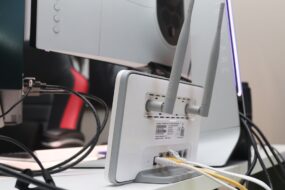
Imagine this: you’re settled in for a cozy movie night, ready to binge your favorite series, when suddenly the streaming starts buffering, or worse, drops entirely. Frustrating, right? Poor Wi-Fi performance can throw a wrench in your day-to-day life, but don’t despair. Improving your home Wi-Fi network performance isn’t as daunting as it may seem. With a few tweaks and tips, you’ll be back online in no time, enjoying quick loading times and uninterrupted connections.
Understanding Your Wi-Fi Network
First off, let’s break down how Wi-Fi works. Your router sends data between devices connected to it and the internet. The performance of your home Wi-Fi network hinges on several factors, including the router’s placement, interference from other devices, and even the type of equipment you’re using. Here’s what most people get wrong: they assume that simply buying the latest model will solve all their problems. While good equipment helps, there’s more to it.
Positioning Your Router for Maximum Coverage
One of the easiest ways to improve home Wi-Fi network performance is by changing where you place your router. If it’s crammed in a corner or buried under a stack of magazines, it’s time for a relocation. Aim to place your router in a central location in your home. The more open space it has around it, the better the signal will travel.
Keep the router off the floor and away from walls, metal objects, and electronic devices that can cause interference. You want to create a line of sight between the router and your devices whenever possible. Consider using a shelf or mounting it on the wall for optimal results.
Choosing the Right Frequency Band
Modern routers often support both the 2.4 GHz and 5 GHz bands. Each has its advantages and disadvantages. The 2.4 GHz band provides a broader coverage range and better penetration through walls, while the 5 GHz band offers higher speeds but with a shorter range. If you want to boost Wi-Fi speed, switching to the 5 GHz band might be your solution if you’re close to the router.
However, keep in mind that not all devices support both bands. It’s worth checking each device’s capabilities before making the switch to ensure you’re optimizing your Wi-Fi connection for all your gadgets.
Updating Your Router’s Firmware
This one’s often overlooked. Just like your smartphone or computer, your router needs updates too. Manufacturers release firmware updates to patch security holes and improve performance. Regularly checking for updates and installing them can significantly improve your home Wi-Fi network performance.
Generally, you can access your router’s settings through a web browser using its IP address. Look for a section related to updates or firmware, and follow the instructions provided by your router manufacturer. This simple action can make a noticeable difference.
Expanding Your Wi-Fi Range
If you’ve got a larger home, a single router might not cut it. Dead zones can frustrate even the best Wi-Fi setup. To enhance your coverage, consider using Wi-Fi extenders or mesh networks. A Wi-Fi extender picks up the signal from your router and amplifies it, while a mesh network uses multiple nodes to blanket your home in coverage.
- Wi-Fi Extenders: These are usually less expensive and suitable for homes with a few low-signal areas.
- Mesh Networks: Though pricier, they provide a more unified and consistent Wi-Fi experience throughout larger spaces.
In my experience, opting for a mesh network can be a worthwhile investment if you consistently experience challenges with dropped connections in various parts of your home.
Device Management and Bandwidth Allocation
Think about how many devices are connected to your network at any given time. Each device takes a slice of the available bandwidth, and too many can slow everything down. Make a habit of disconnecting devices that aren’t in use. If your router supports Quality of Service (QoS) settings, use it. This feature allows you to prioritize certain devices or applications, ensuring that your gaming console or streaming device gets preferential treatment during heavy usage times.
Wi-Fi Troubleshooting Tips
Even with the best setup, issues can still arise. Here are some troubleshooting tips that can help you quickly identify and resolve issues:
- Restart Your Router: This simple step can often solve temporary glitches.
- Check for Interference: Move electronic devices away from the router and change the channel on which your router operates if necessary (most routers operate on default channels).
- Use Wired Connections: For devices that demand high speed, like gaming consoles or PCs, connections over Ethernet can provide a better experience.
- Run a Speed Test: Apps and websites like Ookla’s Speedtest can give you a good idea of whether you’re getting the speeds you’re paying for.
Don’t overlook the fact that sometimes your Internet Service Provider (ISP) might be having issues. It’s worth checking online for any service outages in your area.
Conclusion
Improving your home Wi-Fi network performance doesn’t have to feel like a daunting task. By implementing a few changes—such as repositioning your router, updating firmware, managing device connections, and troubleshooting issues—you can enjoy a smoother online experience. Remember, slow speeds don’t have to be the norm, and with a little effort, you can keep your stream uninterrupted and your gaming lag-free.
We’ve covered quite a bit, but every home and network is unique. Don’t hesitate to experiment with these strategies and adjust based on what works best for your specific situation. Happy surfing!