Imagine coming home after a long day, ready to relax, only to find out that your devices have been compromised. Your personal information, financial data, and even your smart home devices are potentially at risk because of something as simple as your Wi-Fi network being unsecured. Sounds alarming, right?
For many of us, the idea of hackers breaching our networks feels like a distant concern, but the truth is, securing your home Wi-Fi network is more critical than ever. With the rise of smart homes and an ever-increasing number of devices connected to the Internet, anyone can be a target if they don’t take the necessary precautions.
Understanding the Risks of an Unsecured Network
First things first: why does securing your home Wi-Fi network matter? An insecure network can serve as an open door for cybercriminals. They can snoop around your personal data, steal sensitive information, and even take control of smart home devices. Here’s what most people get wrong: they think that just having a password is enough, but that’s far from the truth.
Think about it—most home routers come with default settings and passwords that can be easily guessed. If you haven’t made any changes, you’re opening yourself up to unnecessary risks. Cyber threats continue to evolve, so it’s crucial to stay one step ahead and ensure your home network safety.
Wi-Fi Security Tips to Get Started
Let’s dive into practical tips for securing your home Wi-Fi network. You don’t need to be a tech wizard to follow these steps; just some basic know-how will make a world of difference in protecting Wi-Fi connections.
1. Change the Default Username and Password
- Most routers use a generic admin username and password, making it easy for attackers to gain access. Change them to something unique.
- A strong password should include a mix of uppercase, lowercase, numbers, and symbols.
2. Use WPA3 or WPA2 Encryption
When you set up your network, make sure you select WPA3 encryption if your router supports it. If it doesn’t, choose WPA2. WEP encryption is outdated and can easily be hacked. As a rule of thumb, the stronger the encryption, the better.
3. Regularly Update Your Router’s Firmware
Router manufacturers frequently release updates that patch vulnerabilities. Ignoring these updates could leave you exposed. Set a reminder to check your router settings regularly for updates. In my experience, staying up to date is one of the easiest ways to ensure your home network safety.
Managing Connected Devices
With multiple devices connected to the same network, it’s essential to monitor who and what has access. Managing these devices helps in protecting Wi-Fi connections from unauthorized access.
4. Disconnect Unused Devices
If you have devices that you rarely use, disconnect them from the network. This minimizes the number of gateways available for hackers. More importantly, ensure that devices that are connected are secure with updated software.
5. Use a Guest Network
- Setting up a guest network for visitors keeps your primary network safer. Guests can access the Internet without intruding on your main network.
- Ensure that your guest network also has a strong password and the same encryption protocols.
Advanced Security Measures to Consider
If you’re serious about securing your home Wi-Fi network, consider implementing some advanced methods. While they may require a bit more effort, the payoff is worth it.
6. Enable Network Firewall
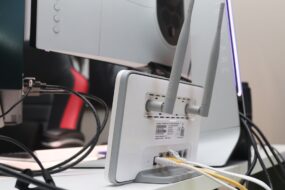
Most routers come with a built-in firewall. It’s smart to keep it turned on. Firewalls act as a barrier between your network and potential threats. If you’re not sure how to do this, consult your router’s user guide for detailed instructions.
7. Monitor Your Network for Unknown Devices
Periodically check your router’s settings to see all devices connected to your network. If you see something unfamiliar, take immediate action, such as changing the password and blocking that device.
Understanding VPNs and Their Role
A Virtual Private Network (VPN) adds an extra layer of security to your online activities. Here’s how it factors into securing your home Wi-Fi network:
8. Consider Using a VPN
- A VPN encrypts the data in your online sessions, making it incredibly difficult for hackers to intercept sensitive information.
- While it doesn’t directly secure your network, it acts as an additional layer of defense, especially when you’re using public Wi-Fi.
Final Thoughts on Home Network Safety
Securing your home Wi-Fi network doesn’t have to be overwhelming. By implementing these tips, you can significantly reduce your vulnerability to cyber threats. Remember, staying secure is a continuous process; keeping your network safe is an ongoing responsibility.
In summary, start with the basics: change the default settings, choose strong encryption, and keep everything updated. Monitor the devices on your network and consider advanced measures, like using a VPN or a guest network.
Taking these steps to ensure your home network safety can make a big difference, not just for yourself, but also for your family. No one wants to deal with the fallout of a data breach, and a few minutes spent securing your home Wi-Fi network can save a lot of headaches down the line.