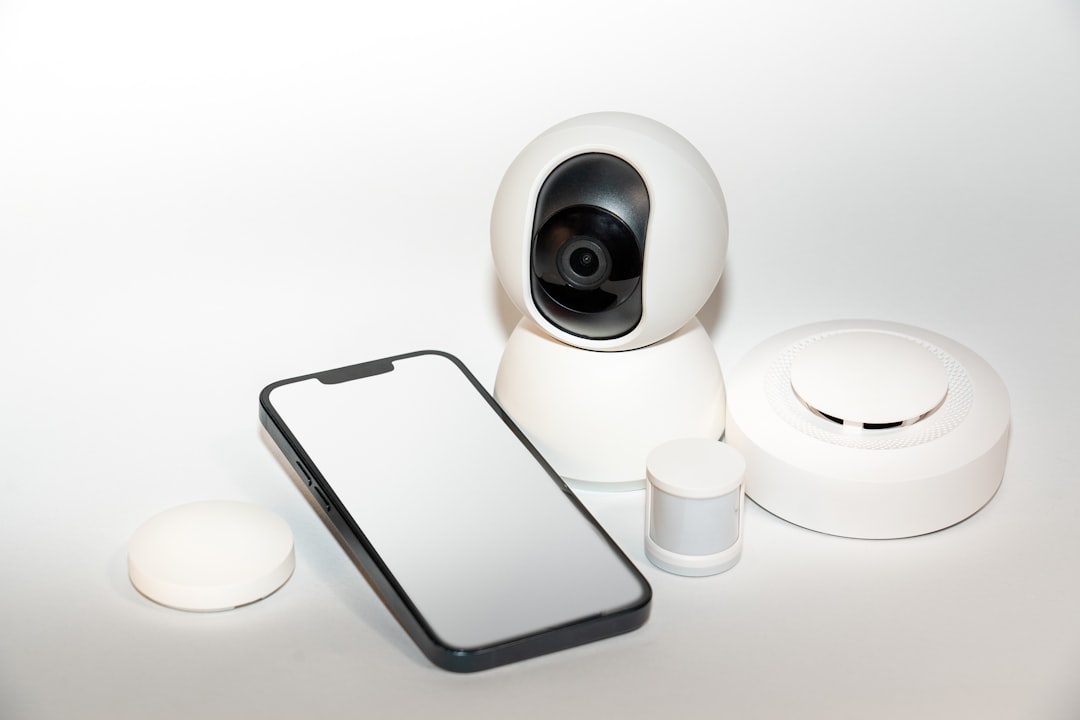
Have you ever walked into your home and felt that strange sense of unease, wondering if your smart devices are genuinely as secure as they should be? You’re not alone. With the rise of home automation, many people are left juggling convenience and security. The question of how to secure smart home devices efficiently is more relevant than ever. Let’s explore effective strategies to bolster your smart home security.
Understanding Smart Home Vulnerabilities
Before figuring out how to secure smart home devices efficiently, it’s crucial to understand their vulnerabilities. Smart devices are often connected to the internet, making them susceptible to hacking. Any IoT device you have—from smart locks to cameras—can potentially expose you to risks if not properly secured. In my experience, many people overlook the importance of basic security measures, leading to unnecessarily exposed networks.
Change Default Settings and Passwords
First things first: change those default passwords! Manufacturers often set generic passwords that are easy to guess. Many folks think they can just leave them as is, but that’s a big mistake. Customize your passwords to something unique and complex. A combination of upper and lower case letters, numbers, and symbols makes for a strong password.
Additionally, consider changing the default usernames used on your devices. Some devices sell them to the public, making them easier targets for cybercriminals. Ensure that each device has a unique password. This little step can make a big difference in how effectively you can secure smart home devices.
Keep Software Updated
It’s easy to ignore those pesky software update reminders, but doing so can make your devices an easy target for hackers. Manufacturers regularly release updates to patch security vulnerabilities. By consistently updating your device’s firmware, you’ll reduce the risks associated with outdated software. I can’t tell you how many people I’ve talked to who find themselves compromised just because they didn’t hit “update.” Make it a habit to check for updates regularly, at least once a month.
Network Security: The Backbone of Smart Home Safety
Your home network serves as the backbone of your smart home. If it’s insecure, then no amount of device-specific security will help. First, make sure you’ve got a strong Wi-Fi password—think of this as the front door to your home. Use WPA3 encryption if your router supports it, as it’s currently the most secure option.
Furthermore, segment your network. Many modern routers allow you to create a guest network. By placing your smart home devices on this separate network, you reduce the risk of someone gaining access to your main devices and sensitive information—like your computer or financial data. This simple step can dramatically improve your home automation safety.
Implement Two-Factor Authentication
Two-factor authentication (2FA) can be a lifesaver. It’s another layer of security that requires not just a password but also a second piece of information, often a code sent to your phone. It’s surprising how many people don’t enable 2FA on their smart devices, thinking it’s an unnecessary hassle. But in reality, it can be the difference between protecting your home and letting in a potential intruder.
Make sure to check which of your smart devices offer 2FA options and turn it on whenever possible. It adds that extra level of difficulty for anyone who might try to access your device without permission.
Be Cautious with IoT Devices
As the number of IoT devices in our homes increases, so do the potential risks. Not all smart devices are created equally. Some might come from manufacturers that don’t prioritize security, which can expose you to significant risks. It’s essential to do a little research before investing in new smart home tech. Check reviews, look for brands with good security reputations, and examine what security updates they offer.
Also, think twice before incorporating devices that don’t have strong encryption or default passwords. In my experience, it’s better to spend a bit more on a reliable device than to save a few bucks and compromise your security.
Regularly Review Device Permissions
Many smart devices come with apps that can have access to your location, contacts, and even microphone. While this access can enhance functionality, it may also expose you to risks if not monitored. Go through the apps connected to your smart home devices and regularly review the permissions you’ve granted. I often find that people are shocked at the level of access they’ve given without fully understanding the implications.
Limit permissions to what’s absolutely necessary. If an app asks for access to your contacts but the device doesn’t need it to function, revoke that access. The less data you expose, the better your IoT device protection will be.
Consider Security Systems
Finally, consider investing in a comprehensive security system that integrates with your smart home devices. Many security systems come with monitoring services that can alert you to suspicious activity. They also often provide additional layers of security, including surveillance cameras and motion detectors that can help keep your home safe.
While this may seem like an extra expense, think of it as an insurance policy for your peace of mind. A good security system can catch potential threats before they become significant problems.
Stay Informed and Educated
Staying informed about the latest security threats and remedies can significantly enhance your ability to secure smart home devices efficiently. Cyber threats are constantly evolving, and staying updated with the latest news can help you anticipate risks before they affect you. Subscribe to tech security blogs, follow industry experts on social media, and join forums where you can learn about best practices and emerging threats.
Moreover, family members should also be educated about the importance of smart home security. If they’re involved in the setup and maintenance of the devices, it creates a culture of safety at home.
Securing your smart home isn’t just about installing devices; it’s a continuous process. As we integrate more technology into our daily lives, we must also remember the need for vigilance. By understanding how to secure smart home devices efficiently, you can enjoy the convenience they offer without compromising your safety.
In conclusion, security in the realm of home automation is a shared responsibility. By applying these strategies—changing default settings, updating software, reviewing permissions, and considering the network’s safety—you’ll make significant strides in ensuring your devices are as secure as they can be. Here’s hoping you’ll never have to experience the kind of breach that can turn your smart home into a smart disaster. Stay secure!