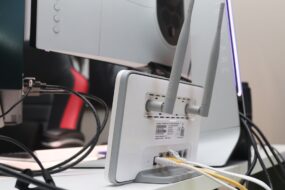
Picture this: It’s late in the evening, and you’re ready to binge-watch your favorite show or finish up that important work report. You grab your device, only to find the Wi-Fi connection is lagging. Frustrating, right? You’re not alone. Many people face challenges with their home Wi-Fi networks, leading to endless buffering and dropped connections. If you’re wondering how to optimize your home Wi-Fi network performance, you’ve come to the right place.
Why Does Home Wi-Fi Performance Matter?
Wi-Fi is like the lifeline of our modern homes. Whether it’s streaming videos, gaming online, or working from home, a stable and fast connection is essential. A sluggish Wi-Fi network can seriously impact productivity and enjoyment. In my experience, a well-optimized network not only improves Wi-Fi speed but also makes everyday tasks much more pleasurable.
Common Culprits of Slow Wi-Fi
Identifying the reasons behind poor Wi-Fi performance is the first step to fixing it. Here are some common issues:
- Router Placement: Where your router is located can significantly affect the strength of its signal.
- Interference: Other electronic devices, like microwaves and cordless phones, can disrupt your Wi-Fi signal.
- Outdated Equipment: Old routers may not support the latest standards and can slow down your network.
- Too Many Devices: As more devices connect to your network, the bandwidth gets stretched thin.
By being aware of these issues, you’re already one step closer to optimizing your home Wi-Fi network performance.
Router Placement: Finding the Sweet Spot
One of the simplest fixes to improve Wi-Fi speed is relocating your router. Here are some tips to consider:
- Place your router in a central location in your home to ensure even coverage.
- Avoid placing it near walls or metal objects that can block signals.
- Keep it elevated, like on a shelf or high furniture, to reduce obstructions.
By testing different spots, you might be amazed at how little adjustments can lead to significant improvements.
Understanding Your Wi-Fi Bandwidth
Most modern routers support at least two frequency bands: 2.4GHz and 5GHz. While the 2.4GHz band provides a greater range, the 5GHz band offers faster speeds. Depending on your needs, you might want to configure your devices accordingly.
For example, if you’re in a larger home and want broader coverage, the 2.4GHz band may suit you better. However, if you’re close to the router and need speed—say for online gaming or streaming—5GHz could be the better choice.
Employing Wi-Fi Signal Booster Tips
If you’ve tried adjusting your router’s location and still find yourself dealing with dead zones, it might be time to consider a Wi-Fi signal booster. These devices can effectively extend the reach of your Wi-Fi signal, giving you better coverage in every corner of your home. Here are a few tips for using a signal booster:
- Choose the Right Type: There are several types of boosters, including extenders, repeaters, and mesh networks. Do your research to find which suits your home best.
- Optimal Placement: Just like with your main router, place the booster in a position where it can pick up a strong signal from the main router.
- Update Firmware: Keeping your booster’s firmware up to date can improve its performance and security.
Regular Maintenance: Home Network Troubleshooting
Keeping your Wi-Fi network in tip-top shape isn’t just a one-time task. Regular maintenance is crucial. Here are some troubleshooting tips that can help:
- Restart Your Router: This simple step can resolve many network issues. Just unplug it for about 30 seconds and plug it back in.
- Change Your Password: Ensure your network isn’t being bogged down by unauthorized users. Regularly updating your Wi-Fi password can help.
- Regular Software Updates: Both your router and connected devices should be updated to stay secure and fast. Check manufacturer websites for updates.
By consistently maintaining your network, you can avoid many common pitfalls that lead to poor performance.
Choosing the Right Bandwidth Activities
If you’ve optimized your home Wi-Fi network performance but still find it slow when multiple people are connected, it might be time to reassess how you’re using your bandwidth. Certain activities require more speed than others:
- Streaming Videos: Platforms like Netflix often require a decent amount of bandwidth, especially for HD streaming.
- Video Calls: Services like Zoom can be taxing on your network, particularly with multiple users.
- Downloading Large Files: This can take up significant bandwidth and slow down the network for others.
Balancing these needs can help to ensure that each user has a satisfactory experience.
When to Consider an Upgrade
Despite your best efforts, there may come a time when your equipment simply won’t cut it. Here’s what to consider:
- Age of Your Router: If it’s older than five years, it’s likely outdated and could be the bottleneck in your network.
- Increased Demand: If your family recently added more devices or users, it might be time to upgrade to a more powerful router.
- Connectivity Issues: If you constantly face (or have fixed) the same problems, investing in newer technology may be the answer.
In my experience, upgrading can lead to noticeable improvements in speed and reliability.
Conclusion: Start Optimizing Today!
Optimizing your home Wi-Fi network performance doesn’t have to be overwhelming. With a bit of attention to placement, usage, and regular maintenance, you can enjoy faster speeds and more reliable connections. Don’t let slow Wi-Fi ruin your binge-watching session or important work call—start implementing these strategies today, and you’ll wonder how you managed without them.
Remember, everyone’s home is different, so it might take a bit of trial and error to find what works best for you. But once you see the improvements, it’ll all be worth it. Happy surfing!