Picture this: you’re binge-watching your favorite show, popcorn in hand, and just as the climax unfolds, the screen freezes and the dreaded “no internet connection” message pops up. Frustrating, right? You’re not alone. Troubleshooting internet connectivity issues is something we all have to deal with from time to time. Whether it’s during work hours or your much-deserved relaxation time, connectivity problems can really throw a wrench in your day.
Understanding the Basics of Internet Connectivity Issues
Before diving into solutions, it helps to understand what creates internet connectivity issues. Most of the time, the problems stem from either your devices, your local network, or your internet service provider (ISP). Sometimes, it can be challenging to pinpoint the exact cause without a little trial and error. You might be surprised by how many issues can be fixed with just a few simple steps!
Common Symptoms of Internet Connectivity Problems
People often encounter a variety of symptoms that may indicate connectivity issues. Here’s what to look out for:
- Frequent disconnections or a fluctuating connection.
- Slow loading times when browsing the web.
- Inability to connect to Wi-Fi.
- Wi-Fi signal is weak or inconsistent.
- Streaming services buffer constantly.
If you find yourself nodding along to any of these, you’ll want to get to the root of the problem. Here are some effective internet connectivity tips to help you troubleshoot.
1. Restart Your Devices
This tip might sound simple, but you’d be surprised how often it works. Restarting your computer, phone, or router can clear temporary glitches affecting your connection. It gives both your device and the router a fresh start, often resolving minor network issues.
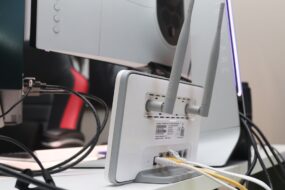
To do this, simply unplug your router and modem. Wait for about 30 seconds, then plug them back in. Give them a few minutes to fully reboot before checking your connection again.
2. Check Your Cables and Connections
Loose cables can create havoc with your internet connectivity. Make sure that all the cables connecting your modem and router are secure. If you see any frayed or damaged wires, it might be time to replace them. In my experience, it’s easy to overlook such things, but they can be the culprit behind some pesky connectivity issues.
Furthermore, ensure that your Ethernet cables are connected properly if you’re using a wired connection. Sometimes it’s just a matter of reseating the plugs.
3. Test Your Internet Speed
If you’re experiencing slow connectivity, taking a moment to run a speed test can provide valuable information. There are numerous websites and apps dedicated to measuring your internet speed. Most people get it wrong by thinking that their connection speed is supposed to match what their ISP advertises; however, factors like network traffic, time of day, and your own device can affect speeds as well.
Consider testing at different times throughout the day to get a sense of whether the speeds change significantly. If tests show you’re getting drastically less than what you pay for, it’s worth contacting your provider.
4. Investigate Wi-Fi Signal Strength
If you’re depending on Wi-Fi, the strength of your signal can be a significant factor in connectivity issues. Are you too far from the router? Walls, floors, and other physical barriers can hinder the signal strength. Here’s where you can make some adjustments:
- Move your router to a more central location in your home.
- Try elevating your router off the ground.
- Remove any obstructions nearby, such as other electronic devices or furniture.
In some cases, if your home is large or multi-level, you may want to invest in a Wi-Fi extender to boost the signal throughout the entire space. The goal is to ensure you have a consistent signal if you’re far from the source.
5. Update Your Router’s Firmware
Like any device, your router needs the occasional update to function optimally. Router manufacturers often provide updates to improve performance, security, and compatibility. Failing to keep it updated can result in frustrating connectivity problems.
To update your router, access the admin dashboard by typing the router’s IP address into your web browser. Usually, it’s something like 192.168.1.1 or 192.168.0.1 (consult your router’s manual for specifics). From there, you can check for available updates and install them. This can fix bugs and improve your overall performance.
6. Look for Network Issues Solutions from Your ISP
If all else fails, it might be time to reach out to your internet service provider. They’re the best source for information on broader network issues, outages, or maintenance in your area. Often, they’ll have a status page on their website where you can check if there’s a known issue. In my experience, being polite yet persistent often yields results when speaking with customer service.
Sometimes ISPs can identify problems with your service from their end and may even be able to send a technician to troubleshoot on-site.
7. Consider Network Hardware Upgrades
With technology evolving rapidly, your old router may struggle to handle newer devices or higher speeds. If you find yourself constantly battling connectivity issues despite your best efforts at fixing internet problems, investing in a new router can be the solution.
Modern routers support faster speeds, improved connectivity with multiple devices, and better security features. It’s worth doing some research and finding one that meets your needs. Look for routers with the latest Wi-Fi standards (check for Wi-Fi 6 support, for example), as they provide better performance.
8. Final Thoughts on Troubleshooting Internet Connectivity Issues
While troubleshooting internet connectivity issues can be frustrating, many problems can be resolved with just a few quick checks. From restarting devices to checking cables and contacting your ISP, there are multiple avenues to explore. Remember, patience is key. Sometimes the simplest solution is the most effective, and often, the problem is less complicated than it seems.
Next time you find yourself shouting at the screen or helplessly refreshing your connection, try these tips. They might just save you from the brink of a tech meltdown. And remember, it’s okay to reach out for help. There’s a community out there, including tech support, friends, and family, who likely have faced similar issues. Don’t hesitate to tap into those resources!