Picture this: You’re all set for an evening of binge-watching your favorite series. You’ve got your snacks ready, the lights dimmed, and just as you press play, the video starts to buffer. Frustrating, right? A poor Wi-Fi connection can turn any cozy night in into a disappointment. But don’t worry, optimizing your Wi-Fi for better streaming doesn’t have to be a daunting task. In fact, it can be surprisingly simple with the right approach.
Understanding Your Internet Connection
Before we dive into specific Wi-Fi optimization tips, it’s important to grasp the basics of your internet connection. Most people pay for a certain speed from their Internet Service Provider (ISP). But how much of that speed actually reaches your devices? Issues like distance from the router, interference, and even the number of connected devices can affect your streaming quality dramatically.
Assess Your Current Setup
Start by checking your existing Wi-Fi setup. Here are some basic points to consider:
- Router Position: Is your router placed in a central location? Walls and furniture can obstruct signals.
- Device Placement: Are you streaming in the same room as your router, or are you across the house?
- Bandwidth Usage: Are there too many devices hogging the bandwidth? Consider what devices are connected at the time.
In my experience, most people don’t realize how much of a difference these factors can make. Taking stock of your current situation is the first step in improving Wi-Fi speed to optimize your Wi-Fi for better streaming.
Location, Location, Location!
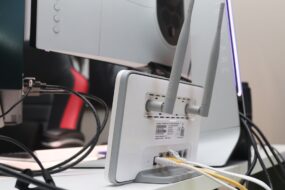
Router placement is crucial. If it’s hiding in a corner or buried behind furniture, you may be missing out on optimal performance. Here are some quick tips for positioning your router:
- Place it in an elevated position, like a shelf or a high table.
- Aim for the center of your home for even coverage.
- Keep it away from walls and obstructions to prevent interference.
The closer you are to the router, the better your connection will likely be. So if you can, keep your streaming device as close as possible to your Wi-Fi source.
Update Your Equipment
Sometimes, your router simply isn’t up to par. If it’s several years old, you might need to consider an upgrade. Newer routers support advanced technologies that can significantly improve your Wi-Fi speed. Here are some points to keep in mind when thinking about updating your equipment:
- Wi-Fi Standards: Look for a router that uses the latest Wi-Fi 5 (802.11ac) or Wi-Fi 6 (802.11ax) standards for optimal performance.
- Dual-band Routers: Devices that support both 2.4 GHz and 5 GHz bands give you flexibility. The 5 GHz band usually offers faster speeds but shorter range.
- Quality of Service (QoS): Some routers come with QoS settings that allow you to prioritize streaming traffic over other usage.
Most people get it wrong by sticking with outdated equipment just because it seems to work. But the truth is, technology moves fast, and sometimes an upgrade can make a world of difference in your streaming quality.
Check for Interference
Many household devices can interfere with your Wi-Fi signal, leading to slower speeds and poorer streaming quality. Here’s what to look out for:
- Microwaves: These can disrupt the signal when in use.
- Bluetooth Devices: A lot of Bluetooth devices can toggle frequencies that disrupt Wi-Fi signals.
- Neighboring Networks: Your neighbor’s Wi-Fi might be conflicting with yours if they’re using the same channel.
You can use Wi-Fi analyzer apps to figure out the best channel for your network and perhaps tweak your router settings to improve performance. Adjusting your channel can often be a quick win when trying to optimize your Wi-Fi for better streaming.
Secure Your Connection
Believe it or not, an unsecured Wi-Fi network can hinder your streaming experience. If your connection is open, neighbors or other unauthorized users may be using up your bandwidth, which can slow everything down. Here are some steps you can take to secure your connection:
- Change Default Credentials: Change the default username and password for your router settings.
- Use Strong Passwords: Use a mix of letters, numbers, and symbols for your Wi-Fi password.
- Enable WPA3 Security: If your router supports it, this is the most secure option.
While it seems like a hassle to implement these security measures, in the long run, they’ll save you a lot of frustration with bandwidth-sharing issues, ultimately improving your streaming quality.
Consider a Mesh Network
If poor streaming quality persists and you have a large home, a mesh network might be the answer. A mesh network consists of multiple nodes that work together to provide wider and more reliable coverage. Beyond having Wi-Fi everywhere, these systems often maintain higher speeds across connected devices, making them ideal for streaming.
Here’s why mesh networks might be worth considering:
- Elimination of Dead Spots: If you have areas in your home where your Wi-Fi signal drops, a mesh network may help eliminate those issues.
- Ease of Use: Most mesh systems come with user-friendly mobile apps for easy management and optimization.
- Scalable: You can add nodes as needed, making it easier to expand your coverage in the future.
In my experience, investing in a good mesh network can make you forget the days of buffering entirely!
Optimize Device Settings
Don’t forget to check the settings on your individual devices as well. Whether you’re streaming via a smart TV, computer, or tablet, certain settings can impact performance:
- Quality Settings: Adjust your streaming quality. In some cases, lower resolutions will allow for smoother streaming when bandwidth is limited.
- Background Apps: Close any unnecessary apps or tabs that might be using bandwidth.
- Software Updates: Ensure your streaming apps and devices are up to date, as updates often come with performance enhancements.
If you’re still encountering trouble, try turning your devices off and on again. It sounds cliché, but sometimes a good reboot can resolve lingering issues.
Monitor Your Internet Speed
Finally, consider regularly testing your internet speed to identify any patterns or issues with your connection. Website speed tests can help you get a clearer picture:
- Test at different times of day to see if speed fluctuates.
- Compare your results with your subscribed speed to identify discrepancies.
- Keep track of speeds from different locations in your home.
This practice not only helps you catch any potential issues early but also allows you to gather data that could be useful if you need to call your ISP for support.
Final Thoughts
Optimizing your Wi-Fi for better streaming is definitely achievable with just a few strategic steps. While buffering may still occasionally rear its ugly head, consistently applying the suggestions laid out in this guide can significantly enhance your streaming experience. Remember, the key is not just to improve your connection but to maintain it — proper placement, regular updates, and periodic assessments can make a substantial difference.
So before you settle down to binge-watch your next series, take some time to implement these tips, and say goodbye to buffering woes!