Picture this: You’re in your home office, sipping coffee while attending a virtual meeting with your team. Suddenly, you notice your screen flickering, and before you know it, your network crashes. This isn’t just a frustrating moment—it’s a reminder of how vulnerable our home networks can be, especially with remote work becoming a norm.
As the world shifts towards more flexibility in working from home, securing your home network for remote work is more crucial than ever. You’re not just protecting your personal devices; you’re also safeguarding sensitive company data, client information, and more. In my experience, many people don’t fully realize the risks or the importance of implementing effective network security tips. So, let’s talk about how you can fortify your home Wi-Fi and boost your remote work safety.
Understand the Risks of Remote Work
When you work from home, your internet connection becomes a treasure trove for cybercriminals. Here are some common threats:
- Unauthorized access: If your Wi-Fi isn’t secure, hackers can easily gain entry to your network.
- Phishing attacks: These deceptive emails can compromise your credentials and sensitive information.
- Malware and viruses: A single click on an infected link can cause severe damage to your devices and data.
These risks make it imperative to secure your home network for remote work. But where do you begin? Let’s break it down step by step.
Change Default Router Settings
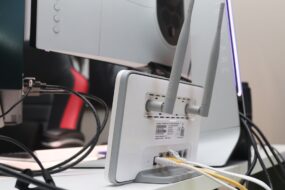
One of the biggest oversights people make is not changing the basic settings of their routers. Most routers come with a default username and password. That’s not a good security practice. Here’s what you should do:
- Update the admin password: Change it to something unique and strong. A combination of letters, numbers, and symbols usually works best.
- Change the network name (SSID): Avoid using personal information in your Wi-Fi name. This makes it harder for people to guess your password.
These small adjustments can make a world of difference in securing your home network for remote work. You don’t want hackers knowing how to access your Wi-Fi just because you left your settings unchanged.
Use Strong Encryption
Another way to enhance your home Wi-Fi security is to enable strong encryption protocols. Most routers give you these options:
- WPA2: It’s the most common and generally recommended encryption standard.
- WPA3: This is the newest standard and provides added layers of protection.
Simply put, weaker encryption methods like WEP are too easy for hackers to crack. Make sure to switch to WPA2 or WPA3 to significantly improve the security of your home network.
Set Up a Guest Network
If you’re receiving guests or have family members frequently using your internet, consider setting up a separate guest network. This keeps your main network isolated, which is key for remote work safety. Here are the advantages:
- Limited access: Your guests can browse the web without accessing your work files or devices.
- Reduced risk: If any device on the guest network is compromised, it reduces the likelihood of a breach to your main network.
Most modern routers provide this feature, and it’s relatively easy to set up. Just remember to change the guest network password regularly, too!
Regularly Update Your Devices
It’s easy to forget about those software updates popping up on your screen. But ignoring them can be detrimental to your network’s safety. Updates often include patches that fix security vulnerabilities, and here’s how to stay on top of it:
- Enable automatic updates: This is available for most operating systems and software, so make sure it’s turned on.
- Manual checks: Periodically review your devices manually, especially critical applications like antivirus or firewall software.
In my experience, keeping everything updated is one of the simplest yet most effective network security tips out there.
Invest in Good Antivirus and Firewall Solutions
Relying solely on your router for security isn’t enough. You should also support it with quality antivirus software and a firewall. Here’s what to prioritize:
- Antivirus software: Choose a reputable brand that provides real-time protection, malware scanning, and automatic updates.
- Firewalls: Either use the built-in firewall on your router or install a dedicated firewall solution on your devices.
Such measures help detect and block unauthorized access attempts, significantly boosting your overall security for remote work.
Secure Your Devices
Your computer, laptop, and mobile devices are gateways to your network. If one gets compromised, it could put your entire home network at risk. Here’s how to reinforce device security:
- Use strong passwords: For all your devices! Avoid simple phrases; mix it up even beyond what we discussed for your network. A password manager can help you remember them.
- Enable two-factor authentication: Whenever possible, it’s an extra layer that makes it harder for anyone to access your accounts.
Sometimes, people think their home devices are safe simply because they’re at home. But that’s a misconception. Your devices can be just as vulnerable as any corporate office computer.
Monitor Your Network Traffic
Keeping an eye on what’s happening on your network can alert you to any suspicious activity. Most modern routers provide the option to monitor your network’s activity. Here’s how:
- Check connected devices: Regularly review the list of devices connected to your network. If you see something unfamiliar, it might be time to change your password.
- Track bandwidth usage: An unusual spike may indicate a breach or unauthorized access.
Setting up alerts for any changes can also help you stay ahead of potential threats. After all, a proactive approach is the best strategy for securing your home network for remote work.
Final Thoughts
Securing your home network for remote work isn’t just a technical task; it’s a fundamental part of maintaining your professional integrity and personal safety. So many people underestimate how easy it can be for intruders to slip through the cracks of a poorly secured network. Taking the time to implement the network security tips we discussed will not only enhance your work comfort but also ensure the safety of your sensitive information.
In summary, the steps you take today to safeguard your home Wi-Fi can save you from potential disasters tomorrow. Whether it’s changing default settings, regularly updating devices, or monitoring traffic, every little action adds up to a more secure remote work environment.
Don’t wait until it’s too late—start securing your network now!