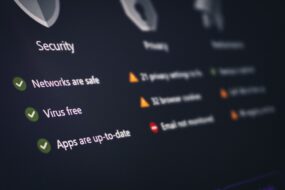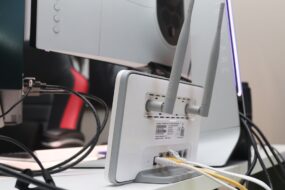
Imagine coming home after a long day, settling onto your couch, and firing up your favorite streaming service. But then, a message pops up: “Your internet connection is too slow.” Frustrating, right? You may also start to wonder who else is using your Wi-Fi. Is your neighbor stealing your bandwidth? Or worse, are they putting your data at risk? These scenarios showcase just how important it is to understand how to secure your home Wi-Fi network effectively.
In today’s digital landscape, securing your home Wi-Fi network isn’t just about speed; it’s about safety. With increasing cyber threats, it’s vital to protect your Wi-Fi network, not only to enjoy seamless internet use but also to safeguard your personal information. Here’s a deep dive into how to secure your home Wi-Fi network and ensure you’re not leaving any digital doors open for intruders.
Understanding Home Wi-Fi Security Risks
Before we get into the nitty-gritty of securing your connection, let’s first talk about why it’s critical. Most people underestimate the potential risks associated with an unsecured Wi-Fi network. Whether it’s a neighbor trying to get free internet or a hacker aiming to steal personal data, the threats can vary significantly.
One common misunderstanding is that home networks aren’t targets. In my experience, it’s often the opposite; hackers prefer easy targets. An unsecured Wi-Fi connection might be just the opportunity they’re looking for. Here are some specific risks to consider:
- Bandwidth Theft: Uninvited guests using your Wi-Fi can slow down your internet speed, affecting streaming, gaming, and browsing.
- Data Theft: Without proper protection, your personal information, including passwords and bank details, could be at risk.
- Malware and Viruses: An unsecured network might allow malicious software to seep in, potentially affecting all devices connected to it.
Understanding these risks is the first step toward learning how to secure your home Wi-Fi network.
Changing Default Settings
One of the biggest missteps that many people make is sticking with the default settings of their router. It’s like leaving your front door unlocked because “it’s just easier.” Default usernames and passwords are often readily available online, making it easy for anyone looking to exploit an unsecured Wi-Fi network.
Here’s what you can do:
- Change the Default Username and Password: Go into your router settings and change the admin username and password. Make it something unique that’s not easily guessable.
- SSID Name Alteration: Change your Network Name (SSID) to something that doesn’t identify you, your home, or the router brand. Avoid revealing personal information.
By taking these simple steps, you can significantly improve your home Wi-Fi security and deter potential intruders.
Employing Strong Encryption
Encryption might sound technical, but it’s one of the easiest ways to protect your Wi-Fi network. Most modern routers come equipped with encryption options, and it’s crucial to set this up.
WPA3 is the latest encryption protocol available. If your router supports it, you should absolutely enable it. If not, WPA2 is still a good option. Here’s how to set it up:
- Access your router’s settings via a web browser using its IP address.
- Look for the wireless security settings.
- Select WPA3 or WPA2 for security type.
- Choose a strong password—ideally, a mix of letters, numbers, and symbols.
Strong encryption is essential for a secure Wi-Fi connection. Don’t skip it!
Regularly Update Your Router’s Firmware
Just like you update your smartphone or computer, your router’s firmware requires attention too. Manufacturers often release updates that include security improvements. Not keeping your firmware updated is like ignoring an alarm system while living in a high-crime area.
Most people get wrong the idea that their router doesn’t need maintenance. To ensure your router is running the latest software:
- Log into your router’s settings.
- Look for a section labeled “Firmware” or “Software Update.”
- If there’s an update available, follow the on-screen instructions to install it.
Setting a reminder every few months to check for updates can go a long way in maintaining your home Wi-Fi security.
Creating a Guest Network
Have friends over and want them to access your Wi-Fi? Instead of giving out your main password, why not set up a guest network? This will allow guests to use the internet while keeping your primary network safe.
Many modern routers come with a guest network feature built-in. Here’s how to set it up:
- Access your router settings.
- Enable the guest network option.
- Create a separate password for this network.
- Limit the guest network’s access to your local devices like printers and file shares.
This keeps your secure wifi connection intact while offering convenience to family and friends.
Disabling WPS and UPnP
Wi-Fi Protected Setup (WPS) and Universal Plug and Play (UPnP) are features that can make connecting devices easier. However, they can also create vulnerabilities. Here’s why:
- WPS: A feature that allows devices to connect easily to your network. However, it’s susceptible to attacks that can allow unauthorized access.
- UPnP: While this helps devices discover each other on the network, it can open up ports that might expose your network to dangers.
For enhanced home Wi-Fi security, it’s best to disable both of these features. Here’s how:
- Go into your router settings.
- Find options for WPS and UPnP.
- Disable both features.
This isn’t a struggle but a simple step in learning how to secure your home Wi-Fi network.
Monitoring Connected Devices
Think of your Wi-Fi network like a party—you want to know who’s in your home. Monitoring connected devices lets you keep an eye on who’s using your network, and if you notice unfamiliar devices, it’s time to take action.
Most router settings have a section showing all connected devices. Here’s what you should do:
- Log into your router settings.
- Look for a section labeled “Attached Devices” or “Connected Devices.”
- Review the list and ensure you recognize all devices.
If you see anything suspicious, you can kick off unauthorized devices and change your Wi-Fi password immediately.
Final Thoughts: Staying Vigilant in Wi-Fi Security
Now that you’re armed with essential knowledge about how to secure your home Wi-Fi network, it’s vital to stay vigilant. Cyber threats are constantly evolving, and what might be safe today could change overnight.
By regularly updating your security measures, you can enjoy peace of mind while enjoying all the conveniences of modern technology. Don’t let your home be an easy target; instead, take proactive steps to protect yourself and your information.
Remember, in the quest for home wifi security, the stakes are high. A little effort can go a long way in keeping you and your data safe. Whether you’re streaming movies, working from home, or simply browsing, your secure wifi connection is your first line of defense in today’s increasingly connected world.