Picture this: you walk into your home after a long day at work. The moment you step inside, the lights automatically turn on, your favorite playlist starts playing, and the thermostat adjusts to the perfect temperature. You didn’t have to lift a finger. Sounds like something out of a sci-fi movie, right? Well, it doesn’t have to be! With the right approach, you can automate your home devices effectively, turning your living space into a smart home.
What Is Home Automation?
At its core, home automation involves connecting various devices in your home so they can work together intelligently. This means your lights, thermostat, security system, and even your coffee maker can communicate with each other to provide a more convenient experience. You can control these devices remotely or set them to operate according to your daily routine. But here’s where most people get it wrong: they think it’s all about buying the latest gadgets. While cool tech is exciting, effective home automation is more about the setup and the connection between devices.
Choosing the Right Devices
Before jumping into device automation techniques, it’s essential to choose the right components for your smart home setup. Not all devices are created equal. Here are a few things to consider:
- Compatibility: Make sure that the devices you purchase can communicate with each other. Look for systems that support common protocols like Zigbee, Z-Wave, or Wi-Fi.
- Ease of Use: Choose devices that have user-friendly apps or interfaces. If a product is too complicated to use, you won’t use it. In my experience, the simpler, the better!
- Scalability: If you plan to expand your system in the future, pick devices that can easily integrate with new technologies. You don’t want to be stuck with a tech that becomes obsolete.
Home Automation Tips for Beginners
If you’re new to automating your home devices effectively, here are some tips to get you started:
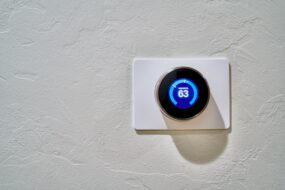
- Start Small: Don’t overwhelm yourself by trying to automate everything at once. Begin with a few key devices like smart bulbs or a smart thermostat.
- Create Routines: Most smart home devices allow you to set schedules or routines. For instance, you can program your coffee maker to start brewing at a specific time. This not only automates your devices but also makes your mornings smoother.
- Focus on Security: Consider starting with security devices like smart doorbells or security cameras. Knowing that you can monitor your home remotely provides peace of mind and a strong foundation for your automation setup.
Device Automation Techniques
Now that you’ve selected your devices and have a few tips under your belt, let’s explore some effective ways to automate your home:
1. Voice Control
Implementing voice assistants like Amazon Alexa, Google Assistant, or Apple Siri can significantly enhance your smart home experience. You can control your devices hands-free, from adjusting the thermostat to turning on lights. Just make sure your devices are compatible with your chosen voice assistant.
2. Smart Plugs
If you want to dip your toes into automation without a huge investment, smart plugs are fantastic starter devices. They let you control non-smart devices from your phone. Plug in lamps, coffee makers, or TVs and schedule their operation or control them remotely. It’s a simple yet effective way to get started on automating your home devices effectively.
3. Automation Scenes
Most smart home systems allow you to create “scenes.” For example, you could create a “Movie Night” scene where the lights dim, the TV turns on, and the popcorn maker starts. By programming multiple actions into one command, you’ll speed up the automation process and enjoy the convenience.
4. Sensors and Triggers
Incorporating motion sensors can truly transform how you interact with your home. For instance, a motion sensor can automatically turn on the hallway light as you walk in, ensuring you never fumble in the dark. Similarly, a door sensor can trigger other devices, like sending you a notification when someone enters your home.
Integrating Different Ecosystems
Integrating devices from different manufacturers can be a bit tricky, but it’s definitely doable. One effective way is through platforms like IFTTT (If This Then That) or Stringify. These services let you create custom automations that link devices and services not natively compatible. Here’s what most people overlook: just because devices belong to different ecosystems doesn’t mean they’re incompatible. With a little creativity, you can make them talk to each other.
Common Mistakes in Home Automation
As you set up your smart home, be mindful of these common pitfalls:
- Ignoring Security: Always consider the security implications of each device. Ensure your network is secure and regularly update your device firmware.
- Device Overload: Too many devices on a single network can slow everything down and create connectivity issues. A well-planned network can help avoid this.
- Neglecting Updates: Don’t forget to regularly check for software updates. Manufacturers frequently release updates to improve performance or security, and keeping your devices updated is crucial.
Keeping It All Organized
As you accumulate devices, it’s easy for things to get chaotic. Here are some strategies to keep your smart home organized:
- Name Your Devices Wisely: When naming devices, use clear and concise names. For example, instead of calling it “Living Room Light,” name it “Living Room Bright.” This makes voice commands and app navigation much smoother.
- Regularly Review Your Setup: Take the time to assess how your devices are performing. Are there areas that are lagging in responsiveness? Do you have devices that you no longer use? Cleaning house can help streamline your home automation journey.
- Document Your Automations: Keep a simple log of your devices and their functions. This can aid you in troubleshooting any issues and serves as a reference for when you want to add new devices.
The Future of Home Automation
As technology evolves, so does the potential for smart home setups. New devices and functionalities emerge regularly, making it an exciting area to explore. Who knows what innovations lie ahead? However, even with future developments, the core of automating your home devices effectively will remain the same: prioritize what works best for your lifestyle and needs.
Conclusion
Automating your home devices effectively can transform your living space into a haven of comfort and convenience. By making informed choices, starting small, and keeping in mind the tips and techniques discussed, you’ll find that creating a smart home is not only possible but also incredibly rewarding. Don’t let the tech overwhelm you—instead, think about the possibilities and how they can make your everyday life easier. Now, grab your devices and get started! You’ll be surprised at how quickly you can turn your home into a smart sanctuary.