Picture this: you’re at the airport, the clock is ticking, and the check-in line feels like it’s moving at a snail’s pace. You’re frantically trying to remember if you packed your charger or if you shoved that favorite sweater into your carry-on. Sound familiar? Packing for a trip can be stressful, especially when it comes to fitting all your essentials into a limited space. But fear not—mastering travel packing tips for carry-on luggage can change the game. So, let’s explore the best strategies for packing efficiently without sacrificing the important stuff.
Understanding the Carry-On Size Restrictions
Before diving into specific packing tips, it’s crucial to have a solid grasp of the airlines’ carry-on size restrictions. Most airlines allow a carry-on that fits within the dimensions of 22 x 14 x 9 inches, but some budget airlines have more stringent rules. Always check the individual airline’s website for their specific requirements. In my experience, not all bags are created equal. A bag that meets the dimensions might still be too bulky for the overhead compartments. Choosing a soft-sided bag can often give you a bit more wiggle room.
Creating Your Packing Guide
Crafting a carry-on packing guide tailored to your trip can save you a considerable amount of time and stress. Start by considering the type of trip you’re taking:
- Weekend getaway
- Business trip
- International holiday
For each trip, make a list of essential clothing and incidental items like toiletries and chargers. Don’t forget to check the weather of your destination. Pack versatile clothing that can be mixed and matched, and opt for wrinkle-free fabrics whenever possible.
Efficient Packing Techniques You Should Know
When it comes to efficient packing techniques, there are several methods that can help you maximize space and minimize wrinkles:
1. The Rolling Method
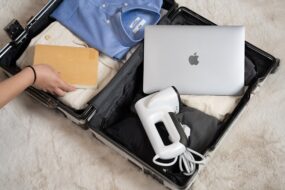
One of the most popular packing techniques is rolling your clothes. Instead of folding, roll items tightly to save space and reduce creasing. This method not only helps you fit more in your bag but also lets you see everything at a glance when you open your carry-on.
2. Packing Cubes
Packing cubes are a lifesaver for many travelers. They help keep your clothes organized and can also create added structure to your carry-on. Use different cubes for various categories like shirts, pants, or even undergarments. You’ll be amazed by how much more you can fit when everything is neatly contained.
3. Layering Invertibly
If you’re packing bulky items like jackets or shoes, try to place heavier items at the bottom of your bag. Layer your clothing from heavy to light, ensuring the most frequently accessed items are on top. This approach not only saves space but also makes it more convenient when you need to find something quickly.
Travel Essentials for Carry-On
Knowing what to pack is essential, but it’s also important to prioritize your travel essentials for carry-on luggage. These are items you’ll definitely want on hand during your flight:
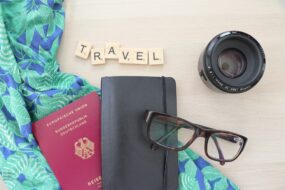
- Travel documents: Passport, ID, boarding pass, and any necessary visas.
- Electronics: Phone, tablet, e-reader, and the chargers for each.
- Medications: Any prescription meds, along with basic over-the-counter options like pain relievers or antihistamines.
- Snacks: It’s never fun being stuck on a flight with nothing to munch on.
- Entertainment: Books, podcasts, or games to keep you occupied during the trip.
Minimizing Liquids and Gels
One of the most challenging parts of packing for carry-on luggage is the liquids and gels limitation. Most airlines allow you to bring only 3.4 ounces (100 ml) per item, all fitting neatly into a single quart-sized bag. Here’s what most people get wrong: they often try to fit too many items in at once. Instead, prioritize items you’ll use daily, such as:
- Contact lens solution
- Toothpaste
- Moisturizer
And remember, you can always buy anything you forget once you arrive at your destination!
Choosing the Right Bags and Compartments
Your choice of bag can make or break your packing experience. Look for a carry-on that has multiple compartments, as this helps distribute items evenly. A bag with a separate laptop compartment is also advantageous, especially if you plan on working during your travels. Opt for bags with wheels that rotate 360 degrees for easy maneuverability in crowded areas. Trust me when I say that juggling a heavy bag while trying to wrangle a coffee is not a fun experience.
Clothing Strategies for On-the-Go Travelers
When packing clothes, think about your itinerary. Are you hopping from one city to another? Here are a few clothing strategies that can help you:
- Layering: It’s often better to pack layers, allowing you to stay comfortable no matter the temperature change. A lightweight travel jacket that can also act as a windbreaker can work wonders.
- Travel Shoes: Choose footwear that’s comfortable, yet versatile enough to work for both sightseeing and casual dinners. Sneakers are usually a safe bet.
- Wrinkle-Resistant Fabrics: Fabrics like nylon or polyester can keep you looking fresh without the hassle of ironing.
Final Thoughts: Packing for Success
Mastering travel packing tips for carry-on luggage is a skill that pays off each time you travel. By understanding size restrictions, creating a tailored packing guide, and utilizing efficient packing techniques, you can transform your travel experience. Prioritizing essentials and implementing clever strategies can reduce stress, making your trip far more enjoyable.
Next time you’re packing, take a moment to think through your choices. Are you carrying too much? Do you really need five pairs of shoes for a long weekend? Tailor your carry-on packing guide to your trip, and you won’t just travel in style—you’ll also travel smart. Happy travels!