Ever opened your closet and felt an overwhelming wave of chaos? You’ve got a plethora of clothing hanging there, yet somehow, you’re still staring blankly at a sea of fabric, unsure of what to wear. The problem? It might be the alignment (or lack thereof) of your wardrobe’s color combinations. Choosing the best wardrobe color combinations can truly transform your style, making it easier to put outfits together while also showcasing your personality.
Understanding different color theories can seem daunting, but it doesn’t have to be. You don’t need to be a fashion guru to master the art of matching clothing colors; you just need the right tips and a bit of practice! Let’s explore how to create a color-coordinated wardrobe that makes getting dressed fun.
Understanding Color Theory in Fashion
Color theory is an essential element in fashion that helps us understand how colors interact, complement, or contrast with one another. At its core, color theory isn’t just about churning out beautiful palettes; it’s a way to express moods, signify seasons, and even convey emotions through fabric.
In my experience, most people overlook basic color theory principles when constructing their wardrobe. It’s not just about choosing pretty colors; it’s about understanding which combinations can elevate your style and bring out your best features. Let’s break down the main components:
- Primary Colors: Red, blue, and yellow are the building blocks of color theory. They can’t be created by mixing other colors.
- Secondary Colors: These arise from mixing primary colors (think purple, green, and orange).
- Tertiary Colors: Created by mixing primary and secondary colors, these are the more nuanced tones that add depth to your outfits.
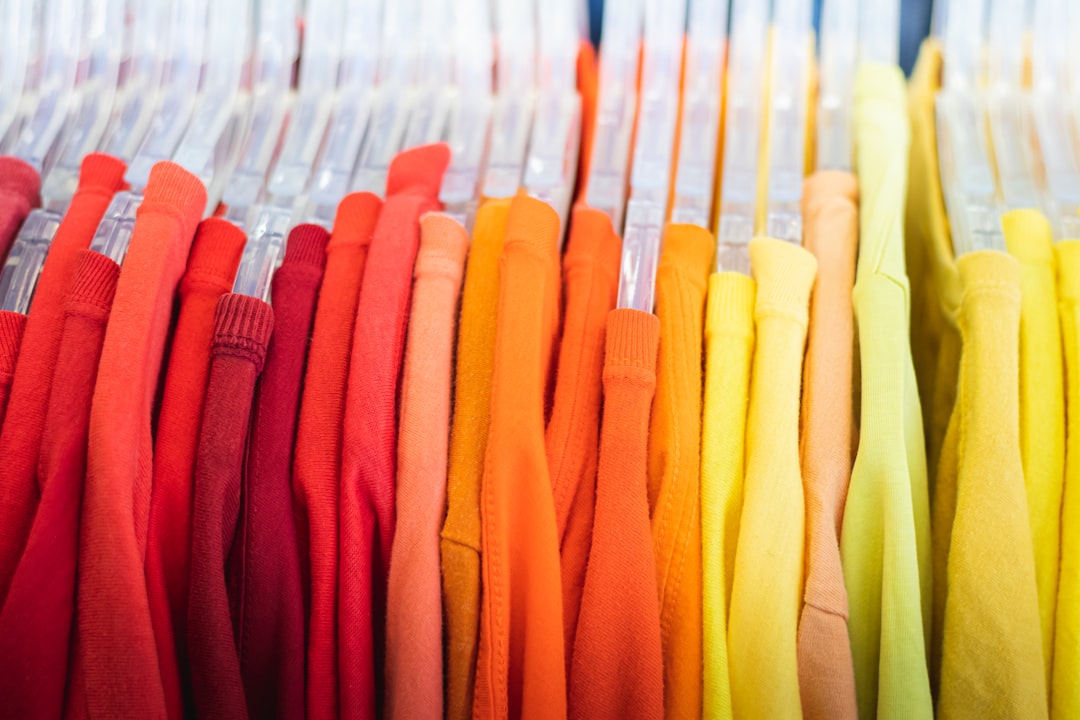
- Warm and Cool Colors: Warm colors (reds, yellows, oranges) evoke energy, while cool colors (blues, greens, purples) tend to create a calming effect.
Once you grasp these fundamentals, you’ll find it a lot easier to choose the best wardrobe color combinations that speak to your personal style.
Identifying Your Personal Color Palette
Before diving into wardrobe styling tips, you should take some time to identify your personal color palette. What colors give you joy? Which shades make you feel confident? Here’s a simple exercise: grab a few pieces of clothing or fabric in various colors and hold them next to your face in natural light. Notice which shades brighten your complexion and which ones seem to wash you out. This will help create a foundation for selecting the best wardrobe color combinations for your closet.
Also, consider your skin tone! If you have warm undertones, earthy colors like olive green, warm reds, and yellows might be more flattering. If you’re a cool tone individual, jewel tones like emerald and sapphire could look fantastic on you. Many fashion experts recommend building a color palette that reflects your undertones to make matching clothing colors easier in the long run.
Finding a Balance: Neutrals and Pop Colors
Once you’ve narrowed down your primary palette, it’s crucial to balance your palette with neutrals. Neutrals act as a visual base that allows vibrant colors to shine without clashing. Think black, white, beige, and gray. These colors not only keep your wardrobe cohesive but also create endless possibilities for outfit combinations.
To incorporate pop colors, choose one or two vibrant shades and integrate them into your outfits through accent pieces. This could be a bright red handbag or a pair of cobalt blue shoes. Here’s why I recommend this approach: it’s less overwhelming and creates a fun focal point without the risk of clashing and deviating from your overall color scheme. You’ll easily find the best wardrobe color combinations when you mix neutrals with a few pop colors!
Monochromatic vs. Complementary Combinations
As you experiment with matching clothing colors, you’ll find yourself faced with two primary styles: monochromatic and complementary combinations. Each has its own unique flair and works well in different scenarios.
Monochromatic Combinations
Monochromatic outfits consist of variations of a single color. Think of different shades, tones, and tints of, say, blue—navy jeans paired with a sky-blue blouse, topped with a baby blue jacket. It’s chic and incredibly easy to pull off. This style creates a streamlined look and elongates your silhouette, which is especially great for tall or petite individuals looking to balance their proportions.
Complementary Combinations
Complementary color combinations involve colors opposite each other on the color wheel. For instance, pairing blue with orange or red with green creates a vibrant and eye-catching look. This is perfect for making a bold statement, but it can sometimes be tricky to master. To successfully pull off complementary colors, start with one dominant color and use the second as an accent to avoid overwhelming your outfit.
Layering Colors: The Art of Combining Textiles
Layering isn’t just about the textiles; it’s also about how colors complement or contrast. A fun wardrobe styling tip is to think about the texture in addition to color. For example, a soft cashmere sweater in a pastel color layered over a cotton shirt creates depth and interest. Fabrics can change the perception of color—what seems bright on a silk top might appear muted on a cotton shirt.
When layering, consider playing with different saturations and patterns. Mixing stripes with florals or solids can create dynamic outfits that still feel cohesive when correctly executed. Just remember, when pairing patterns, it’s wise to stick to a similar color palette to keep the look balanced.
Accessories: The Final Touch
Accessories can either make or break an outfit, and they’re a great way to introduce the best wardrobe color combinations without completely overhauling your wardrobe. You can easily add a statement necklace, a patterned scarf, or colorful earrings to tie an outfit together while allowing you to experiment with colors.
When reaching for accessories, think about your outfit as a whole. If you’re wearing a neutral tone base, you have the freedom to go wild with accessories! However, if you’re wearing bold colors, opt for more subtle accessories. This approach keeps your outfit from becoming visually overwhelming.
Practicing and Evolving Your Style
Choosing the best wardrobe color combinations is not a one-time affair—it evolves over time as you refine your style. Don’t be afraid to experiment. Mix and match different shades, and don’t hesitate to try something new. In my experience, some of the most stylish people are those who aren’t afraid to stand out. Take those risks!
Keep your wardrobe fresh by periodically reassessing your color combinations and introducing new pieces that align with your personal color palette. You might just discover new favorites that you never would have thought of before.
Conclusion: Own Your Color Story
At the end of the day, your wardrobe is a reflection of you. By understanding color theory in fashion and playing with combinations that resonate with your personal style, you can create outfits that not only look great but make you feel fantastic, too. Remember, when it comes to matching clothing colors, it’s all about finding what makes you confident and comfortable. So go ahead—explore the best wardrobe color combinations, express yourself, and own your unique color story!