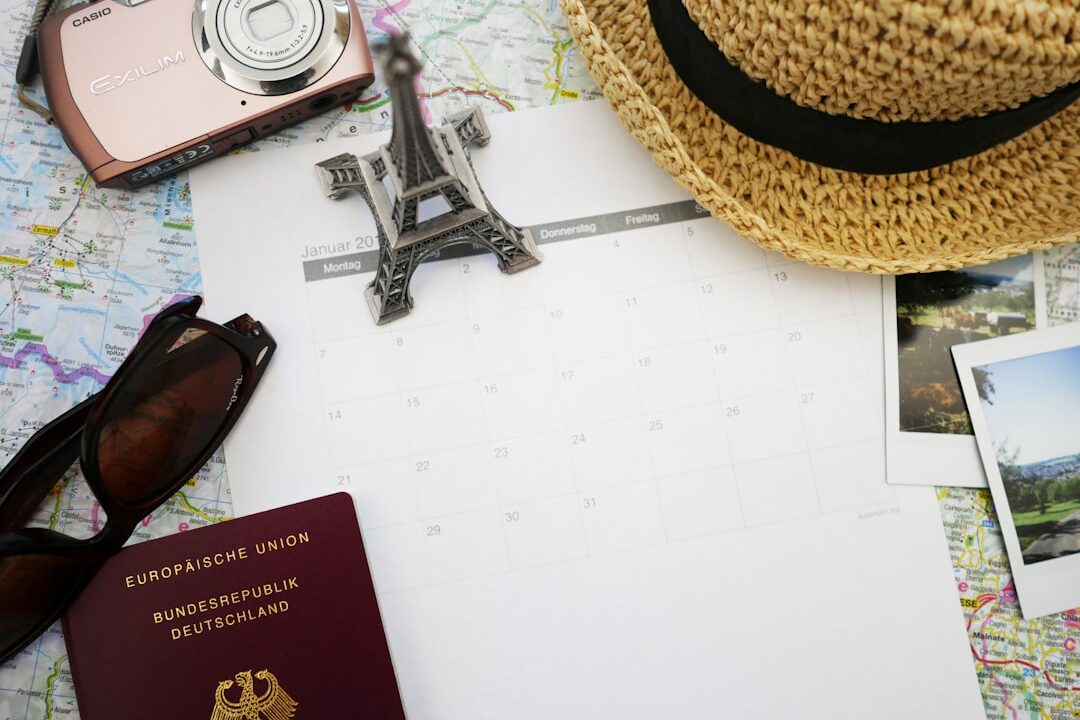
Imagine strolling through the charming streets of Paris, sipping a warm cup of coffee at a quaint café, or watching the sun set over the canals of Venice without breaking the bank. Sounds dreamy, right? But many believe that a budget-friendly European vacation is an impossible task, overshadowed by thoughts of extravagant hotel prices and costly attractions. Here’s the scoop: it doesn’t have to be that way! With a bit of planning and creativity, you can experience the European adventure of your dreams without emptying your wallet.
Set a Realistic Budget
First things first: figure out how much you’re willing to spend. It’s crucial to outline your budget so you can steer clear of unnecessary stress while traveling. Consider all aspects of your trip:
- Flights: Look for airfare deals and discounts to cut costs.
- Accommodation: Decide if you prefer hostels, hotels, or vacation rentals.
- Daily expenses: Food, transportation, and activities all contribute to your overall budget.
In my experience, breaking down your expenses into categories helps keep you organized and ensures you’ve accounted for every detail. If you’re not sure where to start, aim for a budget of $50-$100 per day for meals and activities, depending on your destination.
Research Affordable Europe Destinations
Not all European cities are created equal when it comes to costs. Some destinations are notoriously affordable, making them ideal for a budget-friendly European vacation. Here are a few that stand out:
- Bulgaria: With picturesque beaches on the Black Sea and stunning mountain ranges, Bulgaria offers historical sites and great food at low prices.
- Portugal: Known for its stunning coastlines and rich culture, cities like Lisbon and Porto are budget-friendly and bursting with experiences.
- Hungary: Budapest, with its vibrant nightlife and thermal baths, is incredibly affordable, especially when it comes to dining and accommodation.
- Poland: Cities like Kraków and Wrocław combine history and charm, with costs that are easy on the budget.
Choosing the right destination can make or break your budget, so do your homework!
Timing is Everything
The time of year you choose to travel can greatly affect your overall costs. Generally, traveling during the shoulder seasons—spring (April to June) and fall (September to October)—can save you a ton. Here’s why:
- Fewer crowds mean shorter lines and more opportunities to explore.
- Many attractions offer discounted tickets during off-peak times.
- Flights and accommodations are usually cheaper when schools are in session.
Most people get this wrong and assume summer is the best time to visit Europe. While it has its perks, the costs are significantly higher and the crowds can be overwhelming. A little planning can yield considerable savings!
Create a Cheap Europe Itinerary
Having a rough itinerary can help you stay within your budget. It’s easy to overspend when you wander aimlessly. Here are some tips to consider when planning a cheap Europe itinerary:
- Limit your destinations: Instead of trying to see 10 cities in two weeks, focus on two or three. This not only cuts transportation costs but also allows you to experience each place more fully.
- Use public transport: Europe’s public transportation systems are usually efficient and budget-friendly. Invest in pass cards for trains and buses, especially in cities like Amsterdam and Barcelona.
- Free attractions: Research free or low-cost attractions in every city. Many museums have free days or late-night admissions that can save you money.
- Walking tours: A walking tour is a fantastic way to see a city without spending much. Many are donation-based and can be led by locals who know the ins and outs.
By planning wisely, you can maximize your experience without overspending.
Accommodation Hacks for Budget Travelers
Your choice of accommodation can significantly impact your budget. Here are some budget travel tips that have served me well:
- Hostels: Don’t shy away from hostels, even if you’re past the “backpacker” stage. Many modern hostels offer private rooms, making them a great budget option.
- Vacation Rentals: Websites like Airbnb can help you find affordable rentals. A place with a kitchen can save you on meals, too!
- Location: Stay slightly outside popular tourist areas. You might save significantly on accommodation and can easily access public transport.
- Deals and Alerts: Sign up for accommodation discount sites or alerts so you won’t miss any flash sales for budget-friendly places.
Finding the right place to stay is crucial for a budget-friendly European vacation. Don’t be afraid to explore different options!
Enjoy Affordable Eats
Eating out can eat up a budget fast if you’re not careful. Here are some of my go-to budget-friendly eating strategies:
- Street Food: Many countries, like Italy and Portugal, offer delicious street food at a fraction of the cost of a sit-down meal.
- Local Markets: Visit local markets for fresh produce and local specialties. Nutritious, affordable, and usually much tastier than processed foods!
- Lunch Specials: Many restaurants provide affordable lunch menus, which can save you some serious cash compared to dinner prices.
- Cook Your Meals: If you’re in a hostel or have a rental with a kitchen, buy groceries and make your own meals. It’s not only cost-effective but can also be fun!
Food in Europe can range from outrageously expensive to incredibly cheap. It all depends on your choices!
Mastering the Art of Souvenirs
It’s tempting to splurge on souvenirs as mementos of your trip. Here’s a tip: they don’t have to be expensive to be meaningful. Consider these budget-friendly ideas:
- Local Crafts: Handicrafts from local artisans are often more authentic and usually more affordable than mass-produced goods.
- Photographs: Instead of buying trinkets, take photographs of unique places and moments. They can be priceless memories and don’t cost a dime!
- Postcards: Simple, classic, and can be a great way to keep in touch with loved ones. Write a postcard for them instead of buying something expensive.
- Experiences: Instead of physical gifts, look for affordable experiences to share with friends or family; a cooking class or a local tour can be memorable without being pricey.
By focusing on experiences rather than material items, you can keep your budget intact and create lasting memories.
Final Words of Wisdom
Planning a budget-friendly European vacation requires a bit of work, but the rewards are well worth the effort. By being strategic in your planning, researching affordable Europe destinations, and sticking to your budget, you can create an adventure that’s both memorable and wallet-friendly. Don’t forget to immerse yourself in the local culture and enjoy the journey!
Have you been on a budget-friendly European vacation? What are some of your tips? Share in the comments below!