Providing proper nutrition for cats is one of the most important responsibilities of a pet owner. Cats depend entirely on their diet to maintain strong muscles, healthy organs, and an active lifestyle. In recent years, pet owners have become more aware of the importance of feeding their pets high-quality food that meets their specific nutritional needs. As a result, the demand for premium and personalized pet food products has increased significantly.
Traditional cat food products are usually designed to meet the general dietary needs of most cats. While these foods can provide basic nutrition, they may not always be suitable for every cat. Each cat is unique and may require a specific balance of nutrients depending on factors such as age, weight, breed, activity level, and health conditions. Because of these differences, many pet owners are now looking for more personalized feeding solutions.
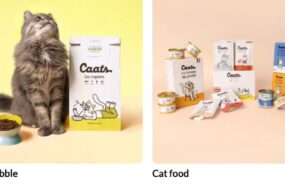
One company that has gained attention in the pet nutrition industry is Caats. This brand focuses on creating personalized cat food designed to match the specific needs of each individual cat. Instead of offering a standard formula for all cats, Caats uses information about a cat to create customized meal plans that support its health and well-being.
Another important feature of Caats is its emphasis on high-protein diets. Cats are obligate carnivores, meaning their bodies are naturally designed to process and benefit from animal-based protein. High-quality protein is essential for maintaining muscle strength, supporting metabolism, and ensuring overall vitality.
Caats also highlights the importance of vet-developed recipes. These recipes are designed with the help of animal nutrition experts and veterinarians who understand the specific dietary requirements of cats. By combining scientific research with high-quality ingredients, the company aims to create balanced meals that support long-term health.
Convenience is another key part of the Caats model. The company provides subscription-based delivery, allowing cat owners to receive their pet’s food directly at their doorstep. This approach simplifies the feeding process and ensures that pets always have access to fresh and properly portioned meals.
In this complete guide, we will explore how Caats works, the benefits of personalized cat food, the importance of high-protein diets, the role of veterinarian-developed recipes, and how subscription delivery services are transforming pet nutrition.
What Is Caats and How Personalized Cat Food Works
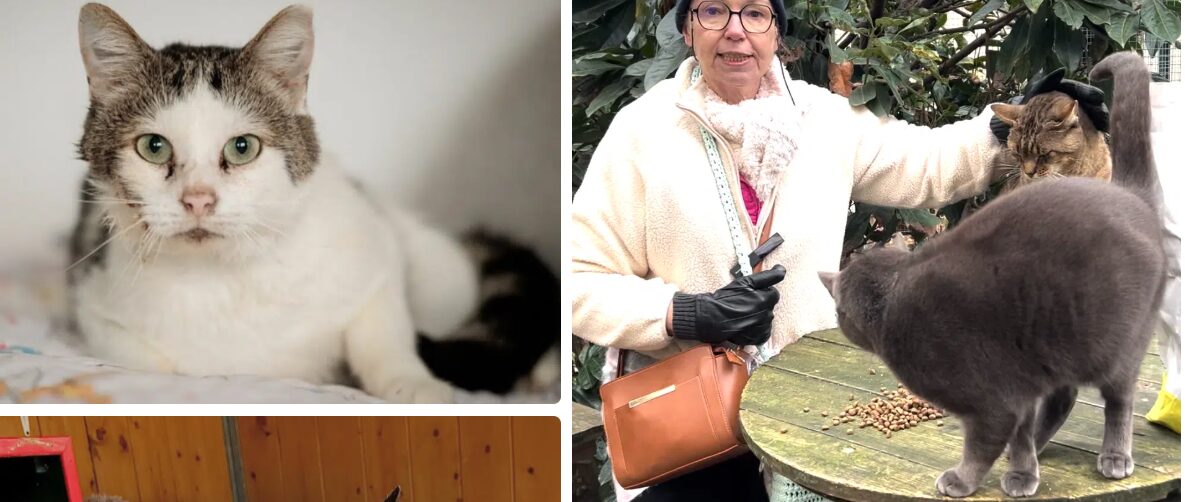
Caats is a modern pet food company that focuses on delivering personalized nutrition for cats. The main idea behind the brand is that every cat is different, and their diets should reflect their unique needs.
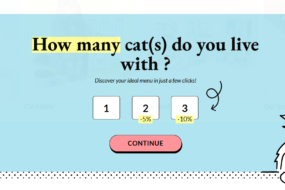
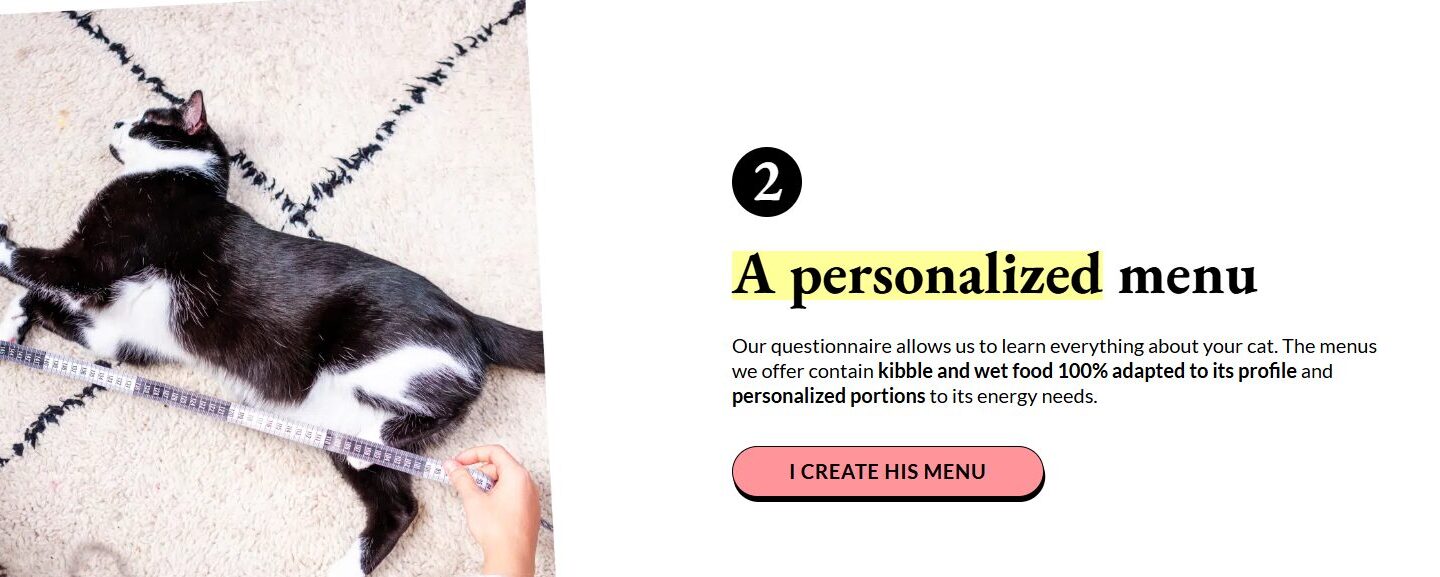
The process begins with a simple online questionnaire that cat owners complete when they visit the website. This questionnaire collects important information about the cat, such as age, breed, weight, activity level, and any health concerns.
Once this information is provided, the system analyzes the data and creates a personalized feeding plan for the cat. This plan determines the most appropriate recipe and portion size to meet the cat’s nutritional requirements.
Personalized cat food plans can provide several advantages. One of the most important benefits is accurate portion control. Overfeeding can lead to obesity, while underfeeding may result in nutrient deficiencies. Personalized meal plans help ensure that cats receive the right amount of food based on their size and activity level.
Another advantage is adaptability. As cats grow older or experience changes in their lifestyle, their nutritional needs may change as well. Personalized feeding plans can be updated to reflect these changes and maintain optimal health.
The concept of personalized nutrition is becoming increasingly popular in the pet food industry. Many pet owners believe that customized diets provide better health outcomes compared to generic feeding solutions.
By focusing on individual needs, personalized cat food services aim to improve overall pet health and provide a more tailored feeding experience.
High-Protein Diets and Their Importance for Cat Health
Protein is one of the most important nutrients in a cat’s diet. Because cats are obligate carnivores, their bodies rely heavily on protein derived from animal sources.
Protein provides essential amino acids that support muscle development, tissue repair, and overall body function. Without sufficient protein, cats may experience reduced energy levels, muscle loss, and weakened immune systems.
High-protein diets help maintain lean muscle mass and support a healthy metabolism. This is especially important for active cats that require additional energy to maintain their daily activities.
Protein also plays a role in maintaining healthy skin and coat conditions. Many cat owners notice improvements in their pet’s fur quality when they switch to diets that contain higher-quality protein sources.
In addition to protein, balanced cat food must include healthy fats, vitamins, and minerals. Fats provide energy and support brain function, while vitamins and minerals help regulate various bodily processes.
The quality of protein sources is also important. High-quality animal proteins are easier for cats to digest and absorb. This improves nutrient utilization and contributes to better overall health.
Cats also have specific dietary needs related to taurine, an essential amino acid found primarily in animal protein. Taurine plays a critical role in heart health, vision, and reproduction.
Because of these biological requirements, modern cat food companies emphasize high-protein formulas that reflect the natural dietary habits of cats.
Vet-Developed Recipes and Balanced Nutrition

Another important aspect of modern cat food is the involvement of veterinarians and animal nutrition experts in recipe development. Vet-developed recipes are designed based on scientific research and professional knowledge about animal health.
Veterinarians understand the specific nutritional requirements that cats need to thrive. They consider factors such as age, health conditions, and metabolic needs when developing balanced food formulas.
Vet-developed recipes aim to provide complete and balanced nutrition. This means the food contains the right proportions of protein, fats, vitamins, and minerals required for healthy growth and maintenance.
These recipes also consider potential health concerns that cats may face. For example, some cats may require diets that support kidney health, digestive function, or weight management.
By working with veterinary professionals, pet food companies can create products that address these needs more effectively.
Balanced nutrition also includes proper ingredient selection. High-quality ingredients are more digestible and provide better nutritional value compared to low-quality fillers.
Transparency in ingredient sourcing is another benefit often associated with premium pet food brands. Many companies provide detailed information about the ingredients used in their recipes.
This transparency helps pet owners make informed decisions about what they feed their pets.
Overall, vet-developed recipes represent an effort to combine scientific research with practical feeding solutions that support long-term health for cats.
Convenience of Subscription Delivery for Cat Owners
Subscription delivery services have become increasingly popular in many industries, including pet food. These services provide a convenient way for customers to receive products regularly without needing to reorder them manually.
For cat owners, subscription delivery offers several advantages. One of the biggest benefits is convenience. Instead of visiting stores frequently, pet owners can receive their cat’s food directly at home.
This saves time and ensures that the cat always has a consistent supply of food available.
Subscription services also help maintain regular feeding routines. Consistency is important for pets, and receiving food deliveries on schedule helps prevent interruptions in feeding schedules.
Another advantage of subscription delivery is flexibility. Many services allow customers to adjust delivery frequency, change meal plans, or update portion sizes as needed.
For example, if a cat gains or loses weight, the feeding plan can be adjusted to reflect the new dietary requirements.
Subscription services also reduce the risk of running out of food unexpectedly. Automated deliveries ensure that pet owners always have enough supplies on hand.
Additionally, home delivery eliminates the inconvenience of carrying heavy bags of pet food from stores.
As online shopping continues to grow in popularity, subscription services are becoming a preferred option for many pet owners.
These services combine convenience with personalized nutrition, creating a modern approach to pet care