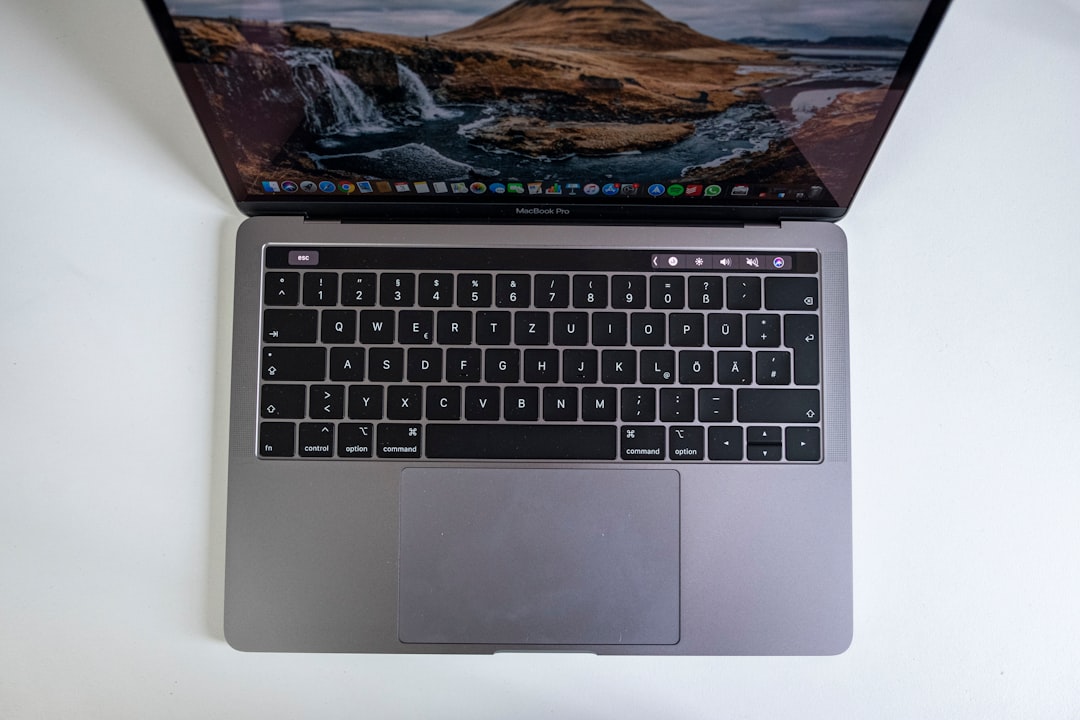
Imagine standing in an electronics store, surrounded by rows of shiny laptops, each one promising to meet your needs. You might feel overwhelmed, wondering how to choose the right laptop. Trust me, you’re not alone. Many people face this challenge, whether they’re students, professionals, or casual users. The decision can seem daunting, but it doesn’t have to be. With the right guidance, you can find the perfect laptop tailored specifically for you.
Understanding Your Needs
The first step in learning how to choose the right laptop is to clearly identify what you’ll be using it for. Different tasks require different features. Here are some common categories of laptop users:
- Students: If you’re heading off to college or high school, you’ll likely need something lightweight, portable, and with a decent battery life. A laptop that can handle note-taking, online research, and maybe even some gaming is usually ideal.
- Professionals: Your needs may vary widely based on your career. Creative professionals may require high-resolution screens and powerful processors, while those in more traditional roles might simply need something for document editing and web browsing.
- Casual Users: If you just want to browse the web, stream movies, and perhaps write the occasional email, you might not need a top-of-the-line model. Even a budget-friendly laptop can get the job done.
In my experience, the most common mistake people make is buying a laptop that exceeds their actual needs. Often, they get enamored with high specs and features that they’ll never use. It’s all about finding the right balance between performance and price.
Key Specifications to Consider
Once you understand your needs, it’s time to look at specifications. Here are the key components you should consider when deciding how to choose the right laptop:
- Processor (CPU): This is the heart of your laptop. A faster processor means a smoother experience. For casual use, an Intel i3 or AMD Ryzen 3 might suffice. For multitasking and heavier applications, look for an Intel i5 or i7, or Ryzen 5 or 7.
- Memory (RAM): RAM is essential for running multiple applications smoothly. Generally, 8GB of RAM is the sweet spot for most users, though gamers and professionals might lean toward 16GB.
- Storage: SSDs (Solid State Drives) are significantly faster than traditional hard drives and make your laptop feel snappier. Aim for at least 256GB of SSD storage unless you require a lot of files and programs.
- Graphics: This matters if you plan to do graphic design or gaming. Integrated graphics might be fine for everyday use, but discrete graphics (like an NVIDIA GeForce card) is essential for high-end games or applications.
- Screen Size and Resolution: Larger screens are great, but if you plan on carrying your laptop around, look for something lightweight. Full HD (1920 x 1080) is ideal for general use.
Battery Life Matters
When considering how to choose the right laptop, you can’t overlook battery life. A laptop that lasts six hours might be great, but if you’re often on the go, investing in one with a longer battery life could save you the hassle of hunting for power outlets. For students, this is crucial during long days of classes. Battery life is typically affected by the type of display and the power of the components inside the machine.
Here’s a tip: Always check reviews for actual battery performance. Manufacturers often advertise impressive battery life, but real-world performance can vary.
Portability vs. Performance
Another crucial aspect when learning how to choose the right laptop is deciding on portability versus performance. If you’re often traveling or commuting, weight and size become significant factors. Ultrabooks, which are typically thinner and lighter, are ideal for portability. However, they can come at a higher price for the same specs as a bulkier laptop.
On the flip side, if you’re more stationary—perhaps using your laptop at a desk or study—then a larger, more powerful laptop might be worth considering. Typically, they provide better performance for their price. Here’s what most people get wrong: they think portability is the only thing that matters. It’s vital to assess where and how you’ll be using the laptop, then make your choice.
Operating System Options
Your choice of operating system can influence how to choose the right laptop. The three main OS options are:
- Windows: The most versatile and widely used, great for gaming and a multitude of software applications.
- macOS: Preferred by many creative professionals, but comes primarily on Apple hardware, which can be pricey.
- Chrome OS: A lighter operating system best for web-centric tasks. Chromebooks are often budget-friendly and perfect for students or casual users.
In my opinion, the best OS is the one that aligns with the software you need. If you’re into specific software, verify compatibility before making your decision.
Budgeting for Your Purchase
It’s essential to set a budget before diving into the world of laptops. Understanding your financial limits can help narrow down the options significantly. Laptops range from a few hundred to several thousand dollars. Here’s a simple breakdown:
- Entry-level (under $500): Good for basic tasks, ideal for students. You won’t get all the bells and whistles, but many options are reliable.
- Mid-range ($500 – $1,200): A solid option for most users. You’ll find a good balance of performance and features.
- High-end ($1,200 and above): Best for gamers, professionals, or those needing powerful machines. Expect better build quality, performance, and often a lengthy warranty.
Here’s a warning: avoid falling for the “the more expensive, the better” myth. Some mid-range laptops offer excellent value for money. A well-rounded laptop doesn’t need to break the bank.
Laptop Comparison Tips
So, you’ve narrowed your choices down but now face the challenging task of comparison. Here’s how to make your decision easier:
- Read Reviews: Before making a final choice, check online reviews and user feedback. They can provide valuable insight into real-world performance and potential issues.
- Compare Specs: Make a list of the top laptops you’re considering and their specs. Using comparison websites can also make this easier.
- Check for Deals: Laptops often go on sale, especially during back-to-school season or holiday sales. Don’t rush; waiting could save you quite a bit.
- Test it Out: If you can, visit a store and physically try out the laptops. Check the keyboard feel, screen quality, and overall build. Comfort matters!
When it comes down to it, being informed is your best bet. Taking the time to compare will ensure you end up with a laptop that meets your needs.
Conclusion
Choosing the right laptop can feel like a daunting task, but don’t let that intimidate you. Remember to start by understanding your needs, assess key specifications, consider portability and battery life, and set a budget. While interpreting reviews and comparing your top choices might take some time, the reward is well worth it. In the end, finding the perfect laptop tailored to your lifestyle can significantly enhance your productivity and enjoyment.
Now, with all this information in hand, you’re equipped to make an informed decision. So, what are you waiting for? Go find your perfect laptop!