There’s something undeniably thrilling about the thought of setting off on a long backpacking trip. The open air, the scent of pine needles, and the challenge of the trail all beckon adventurers. But before you lace up your boots and head into the wild, there’s one thing you need to get right: packing. Trust me, packing tips for long backpacking trips can be the difference between a memorable adventure and one you can’t wait to end.
Why Packing Matters
Have you ever realized halfway through your hike that you forgot something essential? It’s a sinking feeling, isn’t it? What’s often overlooked with packing is that it’s not just about cramming everything into your backpack; it’s about ensuring you have what you need without overloading yourself. Your pack is your lifeline on the trail, and you want it to feel just right—light enough to carry for miles yet full enough to keep you comfortable and safe.
How to Choose the Right Backpack
The first step in your packing journey is selecting the right backpack. Not all backpacks are created equal, and finding one that fits your body and suits your trip can make all the difference. Look for a backpack with a capacity that matches the length of your trip—typically, a 70-80 liter bag should suffice for longer hikes.
- Fit: Make sure it sits comfortably on your back and distributes weight evenly.
- Weight: A lighter pack may save your shoulders, especially when you have it filled to the brim.
- Features: Pockets, hydration reservoirs, and adjustable straps can be game-changers for convenience.
Backpacking Essentials You’ll Need
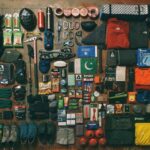
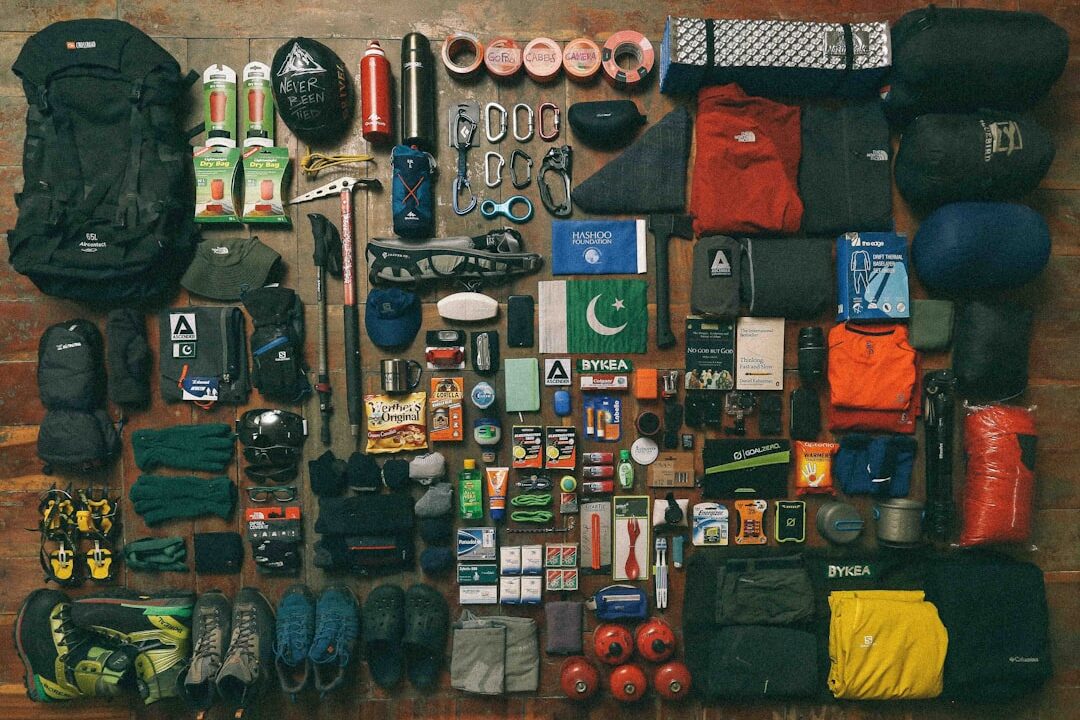
Now let’s dive into the nitty-gritty of backpacking essentials. What do you really need for those long stretches of wilderness? Here’s what most people get wrong: they pack too much! Instead of weighing yourself down, focus on these essentials:
- Shelter: A lightweight tent or hammock is crucial for overnight trips.
- Sleeping Gear: Choose a quality sleeping bag and sleeping pad to ensure a good night’s rest.
- Clothing: Opt for moisture-wicking and quick-drying fabrics to adapt to changing weather.
- Food and Cooking Supplies: Lightweight cooking gear, like a portable stove, and nutrient-rich food (think granola bars and dehydrated meals) are must-haves.
- Navigation Tools: A map, compass, or GPS can help keep you on track, especially in remote areas.
Trying Out Packing Techniques
So how do you pack efficiently? Here’s where my packing tips for long backpacking trips can come in handy. There are several techniques you can try:
The Layering Method
This is one of the most effective ways to maximize space in your backpack. Layer your items based on their weight and use every available space. For instance, pack heavier items at the bottom to stabilize your load. Lighter items can go on top or in external pockets for easy access.
The Stuff Sack Trick
Using stuff sacks is a great way to keep your gear organized. Different sacks for clothing, food, and sleeping gear can help you find what you need without having to dig through your entire pack. Plus, it helps compress your gear down, saving some precious space.
Choosing the Right Clothing
When it comes to clothing, less is often more. Choose versatile items that can be mixed and matched. In my experience, aim for a layering system that includes:
- Base Layer: Opt for moisture-wicking long-sleeve shirts and leggings.
- Insulation Layer: A packable fleece or down jacket can be invaluable when temperatures drop.
- Outer Layer: A waterproof jacket will protect you from unexpected rain.
Don’t forget an extra pair of socks! They can be a lifesaver on long hikes. Wet feet create blisters, and trust me, nothing slows you down faster than sore feet.
Food and Water Management
Packing food for long backpacking trips can seem tricky, but it doesn’t have to be. Focus on lightweight, high-calorie foods. Dehydrated meals are a popular choice—they’re light, easy to pack, and just require hot water to prepare. Others include:
- Trail mix
- Energy bars
- Nut butter packets
For water, it’s essential to always remain hydrated. Depending on your route, you might carry a water filter or purification tablets to access streams along the way. Always have some backup water in case you can’t find a reliable source.
Planning for Emergencies
A key part of packing tips for long backpacking trips is ensuring you’re prepared for emergencies. Compile a small first aid kit that includes the basics: band-aids, antiseptic wipes, ibuprofen, and any personal medications you may require. Also, consider adding:
- A multi-tool
- A whistle
- A small flashlight or headlamp
Even a simple emergency blanket can come in handy should you need an extra layer of warmth.
Final Thoughts: Packing Tips to Keep in Mind
Ultimately, packing efficiently for a long backpacking trip is about balance. You want to be equipped for a variety of situations without carrying unnecessary weight. Here’s a quick recap of my top packing tips for long backpacking trips:
- Invest in a good backpack and try it before the trip.
- Keep your gear organized with stuff sacks.
- Packing lighter clothing items and embracing the layering concept can save space.
- Never underestimate the power of hydration—stay prepared and keep your supplies handy.
- Prepare for the unexpected with an emergency kit.
With thoughtful preparation and the right approach, you’ll hit the trail ready for whatever comes your way. Backpacking is about the experience, and the less you worry about your pack, the more you can enjoy the stunning vistas and peaceful solitude that nature offers. Happy trails!