Introduction to Farfetch and the Luxury E-Commerce Revolution
In the modern digital era, luxury fashion is no longer confined to exclusive boutiques in major cities. Platforms like Farfetch have transformed the way people access high-end fashion by bringing global designer collections to a single online marketplace.
Founded in 2007 by José Neves, Farfetch was built on a unique idea: connecting independent boutiques with customers worldwide through technology. Today, it operates in over 190 countries, offering access to thousands of luxury brands and designers.
This innovative approach has made Farfetch a key player in the global fashion industry, bridging the gap between physical retail stores and digital commerce.
How Farfetch Works: A Unique Marketplace Model
Unlike traditional online retailers, Farfetch does not operate as a standard inventory-based store. Instead, it functions as a marketplace that connects customers directly with boutiques and brands around the world.
This means that when a customer purchases an item, it is shipped directly from the partner boutique rather than a centralized warehouse. This model allows Farfetch to offer a much wider selection of products compared to conventional e-commerce platforms.
With over 1,400 brands and boutiques on its platform, Farfetch provides access to exclusive and hard-to-find items, making it a favorite among luxury shoppers.
Product Categories Available on Farfetch

Farfetch offers a diverse range of luxury fashion products, catering to different styles and preferences. These include:
- Designer clothing for men, women, and children
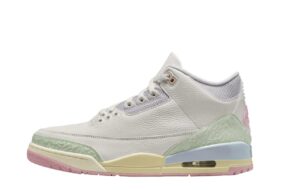
- Luxury footwear and sneakers
- High-end accessories such as bags, belts, and jewelry
- Beauty and skincare products
The platform features globally recognized brands as well as emerging designers, giving customers a unique shopping experience that combines exclusivity with variety.
The Growth and Evolution of Farfetch
Since its launch, Farfetch has experienced rapid growth and expansion. Initially starting as a small startup, it quickly gained popularity due to its innovative business model.
Over the years, the company has made several strategic acquisitions, including luxury boutique Browns and sneaker marketplace Stadium Goods.
In 2018, Farfetch went public on the New York Stock Exchange, marking a significant milestone in its journey. However, like many e-commerce companies, it faced financial challenges and increasing competition.
In 2024, Farfetch was acquired by Coupang, which provided financial stability and new growth opportunities.
Why Farfetch Is Popular Among Luxury Shoppers
Farfetch has built a strong reputation in the luxury fashion market due to several key advantages.
One of the main reasons for its popularity is its extensive selection. Customers can access products from different countries without traveling, making it a convenient option for luxury shopping.
The platform also offers exclusive collections and limited-edition items that are not easily available elsewhere. This exclusivity appeals to fashion enthusiasts looking for unique pieces.
Additionally, Farfetch provides a seamless shopping experience with multiple language options, global shipping, and localized services.
Technology and Innovation Behind Farfetch
Technology plays a crucial role in Farfetch’s success. The company uses advanced digital tools to enhance the shopping experience and improve efficiency.
Its platform integrates features such as personalized recommendations, real-time inventory updates, and seamless payment systems. These innovations make it easier for customers to find and purchase products.
Farfetch has also invested in digital transformation initiatives, helping luxury brands adapt to the online marketplace.
Challenges Faced by Farfetch
Despite its success, Farfetch has faced several challenges over the years. The luxury e-commerce market is highly competitive, with players like Net-a-Porter and Mytheresa competing for market share.
Financial difficulties have also been a concern. The company struggled with profitability and experienced market fluctuations, leading to its acquisition by Coupang.
Additionally, some luxury brands have reconsidered their partnerships, which has impacted the platform’s product offerings.
However, Farfetch continues to adapt and refine its strategy to remain competitive in the evolving market.
Farfetch and the Future of Luxury Fashion
The future of Farfetch lies in its ability to innovate and adapt to changing consumer preferences. The company is focusing on streamlining operations and improving efficiency under its new ownership.
There is also a growing emphasis on sustainability and ethical fashion, which is expected to shape the future of the industry.
With advancements in technology, Farfetch may explore new features such as virtual try-ons, augmented reality, and AI-driven personalization.
These developments will further enhance the online shopping experience and strengthen Farfetch’s position in the luxury market.
Benefits of Shopping on Farfetch
Shopping on Farfetch offers several advantages for consumers.
The platform provides access to a global marketplace, allowing customers to explore fashion from different cultures and regions.
Its curated selection ensures high-quality products, while its user-friendly interface makes shopping easy and enjoyable.
Customers also benefit from secure payment options, reliable shipping, and customer support services.
Final Thoughts

Farfetch has revolutionized the luxury fashion industry by creating a global marketplace that connects boutiques and customers in a seamless way.
From its innovative business model to its extensive product range, the platform offers a unique shopping experience that continues to attract millions of users worldwide.
While challenges remain, Farfetch’s commitment to innovation and adaptability ensures that it will remain a significant player in the future of luxury e-commerce.