
The Global Vision of Farfetch
Farfetch was founded in 2007 by José Neves with a unique vision—to connect independent fashion boutiques with customers worldwide through a single digital platform.
Unlike traditional retailers, Farfetch does not primarily hold inventory. Instead, it operates as a marketplace that links shoppers to over 1,400 brands, boutiques, and department stores globally.
This innovative model has helped bring luxury fashion closer to customers in nearly 190 countries, transforming how people shop for designer items online.
How Farfetch Redefines Luxury Shopping
Farfetch stands out by offering access to a vast selection of luxury fashion products in one place. From high-end clothing and footwear to accessories and jewelry, the platform curates items from around the world.
Key features include:
- Access to rare and hard-to-find designer pieces
- Products sourced from global boutiques
- A mix of established luxury brands and emerging designers
This global connectivity allows customers to discover unique fashion items that may not be available locally.
The Marketplace Model Explained

Farfetch operates differently from typical e-commerce stores. Instead of owning products, it acts as an intermediary between boutiques and customers.
This model offers several advantages:
- Greater product variety
- Real-time inventory from multiple sellers
- Competitive pricing from different retailers
However, it also means that shipping times, pricing, and return policies can vary depending on the boutique fulfilling the order.
Technology and Innovation in Fashion Retail
Technology is at the core of Farfetch’s success. The platform uses advanced digital infrastructure to create a seamless shopping experience.
Innovations include:
- Personalized product recommendations
- Multi-language and multi-currency support
- Mobile apps for easy browsing and purchasing
Farfetch has also explored new technologies such as digital fashion and Web3 initiatives, highlighting its forward-thinking approach to retail.
Advantages and Challenges of Using Farfetch
Like any global marketplace, Farfetch offers both benefits and considerations.
Advantages:
- Access to a wide range of luxury brands
- Unique and exclusive fashion items
- Global shipping and availability
Challenges:
- Prices may vary between sellers
- Shipping times can differ
- Return policies depend on individual boutiques
Understanding these factors helps customers make informed purchasing decisions.
Growth, Challenges, and Industry Position
Over the years, Farfetch has grown into a major player in luxury e-commerce. It went public in 2018 and expanded through acquisitions and partnerships with major fashion companies.
However, the company has also faced financial challenges and increasing competition in the luxury market. In 2024, it was acquired by Coupang as part of efforts to stabilize and grow the business.
Despite these challenges, Farfetch remains a key platform in the global fashion ecosystem.
The Future of Farfetch
The future of Farfetch lies in innovation and adaptation. As the luxury fashion industry evolves, the platform is expected to focus on:
- Expanding digital experiences
- Strengthening partnerships with brands
- Enhancing personalization through AI
- Exploring sustainable fashion initiatives
With its global reach and technology-driven approach, Farfetch is well-positioned to remain influential in online luxury retail.
Conclusion
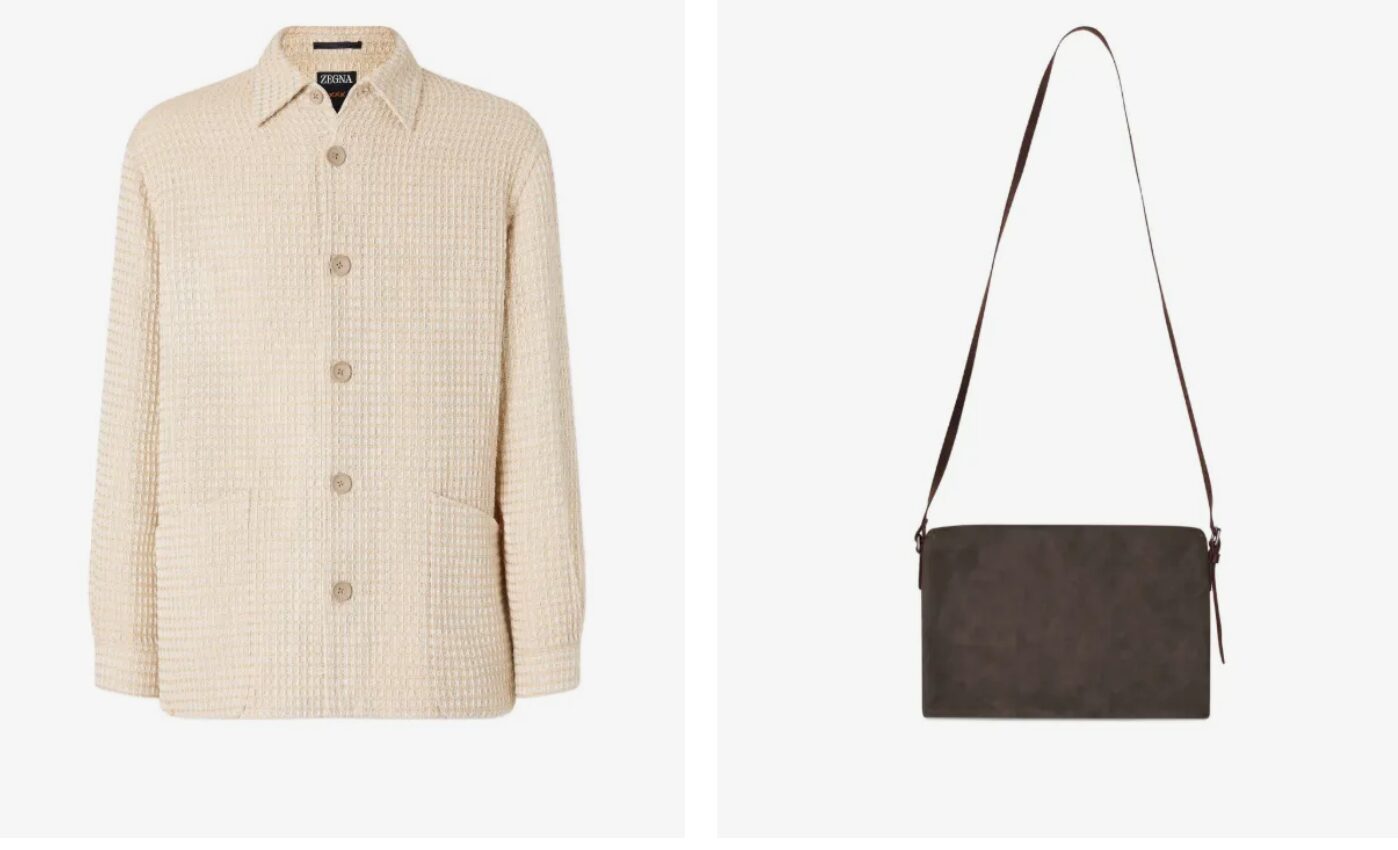
Farfetch has transformed luxury shopping by connecting customers with a global network of boutiques and designers. Its marketplace model offers unparalleled variety and access to exclusive fashion pieces.
While there are some challenges associated with third-party selling, the platform’s innovation and reach make it a powerful player in the fashion industry. For those seeking unique and high-end fashion, Farfetch continues to be a go-to destination.