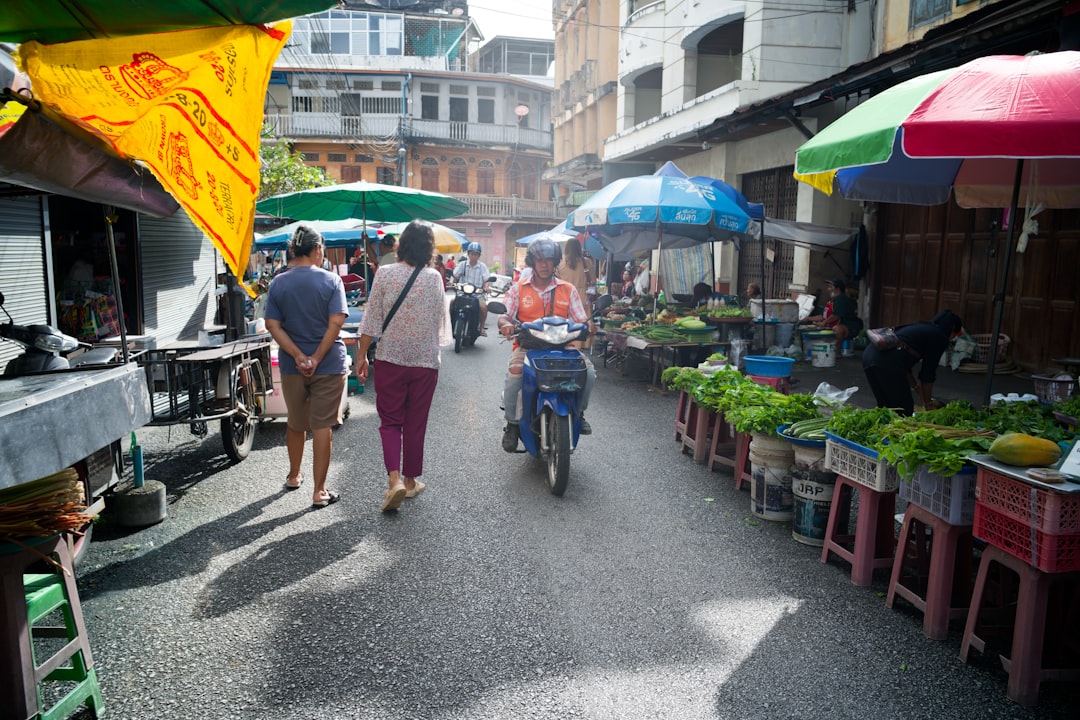
Picture this: You’re wandering down a sun-soaked street in a vibrant city, the air alive with the fragrant aromas of sizzling spices and freshly baked bread. Your senses are in overdrive, and suddenly you spot a local food market bustling with energy. It’s an enticing chance to explore local cuisine in its most authentic form. But how do you find these hidden gems? Let’s explore—here’s your essential guide on how to find local food markets while traveling.
Why Local Food Markets Matter
Local food markets are much more than just places to grab a quick bite. They’re cultural hubs brimming with local history, traditions, and stories. When you visit one, you’re not only tasting unique dishes but also experiences that give you insight into the community’s way of life.
In my experience, trying local foods is the quickest way to understand a destination. Tasting regional dishes often reveals much more than any travel guide ever could. Imagine sampling handmade pastas in Italy or sipping on fresh coconut water in Thailand—each dish or drink tells a story of its origin.
Start with Online Research
These days, technology can be your best friend. A simple search online can yield fantastic results. Websites like Yelp, Google Maps, and TripAdvisor often highlight local food markets, but there are a few tricks to maximize your search.
- Use Specific Keywords: While searching, be specific. Instead of just typing “food market,” try searching for “local food markets in [City Name].” This often directs you to less touristy spots.
- Check Social Media: Platforms like Instagram and Facebook can be treasure troves for discovering local food scenes. Search hashtags like #LocalFoodMarket or #[CityNameEats] to find posts from locals and tourists alike.
- Food Blogs: Many food bloggers focus on local cuisine and often share market recommendations. You’ll get not just the “where,” but also insights into the “what.”
Ask Locals for Recommendations
Sometimes, the best information comes straight from the source. Don’t hesitate to ask locals for their favorite markets. Here’s how to go about it:
- Engage with Your Host: If you’re staying at a hotel or Airbnb, ask your host. They typically have inside knowledge and can direct you to popular local food markets that aren’t on any tourist radar.
- Join a Food Tour: Participating in a local food tour can be a great way to discover markets. Tour guides often take you to hidden spots and share insights along the way.
- Chat with Store Owners: If you’re dining at a local restaurant, chat with your server about where they shop for ingredients. They usually have fantastic insights and might be more than happy to share their favorites.
Explore Beyond the Main Tourist Areas
While the popular tourist spots can be fun, they often come with inflated prices and crowds. Instead, venture off the beaten path to discover local food markets that might not show up on your usual radar. Here’s how you can do just that:
- Walk or Bike: One of my favorite ways to explore a new city is to walk or bike around. You’ll notice smaller roads and alleys where local food markets might be hiding.
- Use Public Transport: Hop on a bus or train to a less touristy district. Often, you’ll stumble upon fantastic local markets just by exploring neighborhoods that aren’t on the usual travel maps.
Timing Is Everything
Local food markets often operate on specific days and hours. Before you head out, it’s essential to know when the markets are open. Here are some tips for timing your visit:
- Weekends vs. Weekdays: Many markets are busier and more vibrant on weekends, but they also might feature more vendors. Weekdays can be quieter, offering a better atmosphere for leisurely browsing.
- Peak Hours: Late morning to early afternoon is usually when markets are at their busiest. Early birds often snag the freshest selections, so don’t be late!
Look for Signs and Flags
When you’re walking around town, keep an eye out for colorful signs, flags, or tents. Markets often display these to attract visitors. Some are simple artisan stands, while others might be bustling hubs filled with everything from fresh produce to homemade baked goods. Here’s what to look for:
- Tent Markets: Many cities have temporary markets set up in parks, town squares, or under tents. These pop-up markets give you a chance to taste local dishes, buy artisanal products, and often enjoy live music.
- Specialty Focus: Some markets focus on specific items, like farmers’ markets, seafood markets, or organic food markets. If you’re looking for something specific, those will often be easier to spot.
What to Expect at Local Food Markets
Every local food market has its own vibe and offerings. You might find friendly vendors selling fruits, vegetables, or handmade crafts. Here’s what typical local food markets have to offer:
- Fresh Produce: You can often find the most vibrant, freshest fruits and veggies straight from the farm. These products provide a snapshot of what’s in season.
- Ready-to-Eat Foods: Certain vendors might have prepared meals on-hand. You can typically find street food style options or artisanal snacks that are easy to munch while you explore.
- Cookware and Utensils: Many markets also offer handmade utensils, cookware, and kitchen gadgets specific to the area. These can make for great keepsakes and conversation starters back home.
Travel Food Tips for Market Visits
Exploring local markets can be a culinary adventure, but you need to go prepared. Here are some travel food tips to enhance your experience:
- Go Hungry: The more empty your stomach, the more you’ll enjoy sampling everything on offer!
- Carry Cash: While more vendors are accepting cards, cash is still king in many local markets. Small bills can help speed up transactions and often make buying easier.
- Ask for Samples: Don’t be shy—many vendors are more than happy to let you taste what they offer. It’s the best way to discover new flavors and find something you want to purchase.
Conclusion: Embrace the Adventure
Finding local food markets while traveling can feel like a small adventure within your larger journey. It’s about more than just eating; it’s about experiencing the essence of a location and engaging with its culture. So, as you plan your next trip, remember these travel tips, and don’t forget to immerse yourself in the local food scene. You won’t regret the flavorful discoveries you’ll make along the way!