1. Introduction to Modern Business Growth and CRM
In today’s fast-moving digital world, businesses are constantly looking for ways to grow faster and stay ahead of the competition. Traditional methods of managing customers and marketing campaigns are no longer sufficient. Companies now need smart tools that can automate processes, provide valuable insights, and improve customer relationships. This is where Customer Relationship Management (CRM) systems come into play.
CRM platforms help businesses organize customer data, track interactions, and improve communication. Among the many CRM tools available, HubSpot stands out as one of the most effective solutions for modern businesses. It combines powerful CRM capabilities with marketing automation, making it easier for companies to manage their entire customer journey in one place.
HubSpot is designed to simplify complex business processes. It allows teams to collaborate, track leads, and automate repetitive tasks. This helps businesses save time and focus on strategies that drive growth.
The modern business environment requires speed and efficiency. Companies that use smart CRM systems can respond to customer needs quickly and make data-driven decisions. HubSpot provides the tools needed to achieve this level of efficiency.
As businesses continue to adopt digital solutions, CRM platforms like HubSpot are becoming essential for sustainable growth. They enable companies to build stronger relationships with customers while improving productivity.
2. Understanding HubSpot CRM and Its Core Features
HubSpot CRM is an all-in-one platform that helps businesses manage customer relationships effectively. It offers a range of features that simplify sales, marketing, and customer service processes.
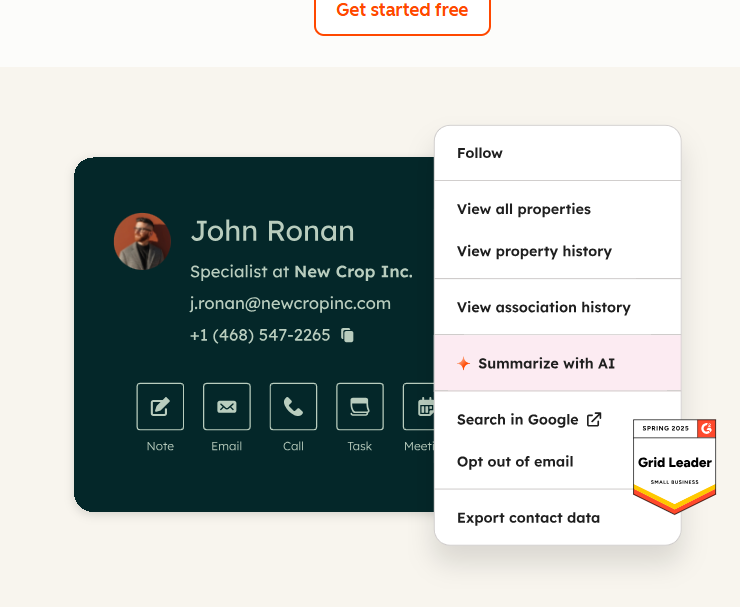
One of the core features of HubSpot CRM is contact management. Businesses can store detailed information about their customers, including emails, phone numbers, and interaction history. This centralized database ensures that all team members have access to the same information.
Another important feature is deal tracking. Sales teams can monitor the progress of leads and track opportunities through different stages of the sales pipeline. This helps teams stay organized and focused on closing deals.
HubSpot also provides email tracking and communication tools. Businesses can send emails directly from the platform and track customer engagement. This helps teams understand how customers interact with their messages.
Task management is another useful feature. Teams can assign tasks, set deadlines, and track progress. This ensures that important activities are completed on time.
Reporting and analytics tools allow businesses to measure their performance. They can track metrics such as sales growth, lead conversion rates, and campaign effectiveness.
These features make HubSpot CRM a powerful tool for managing customer relationships and improving business operations.
3. The Role of Marketing Automation in Business Growth
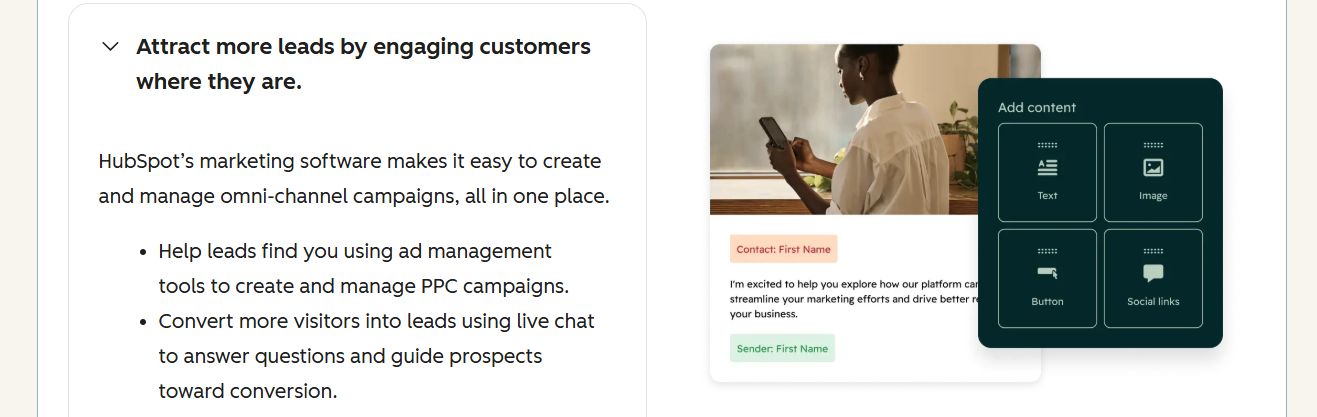
Marketing automation plays a crucial role in helping businesses grow faster. It allows companies to automate repetitive marketing tasks and deliver personalized experiences to customers.
HubSpot offers advanced marketing automation tools that enable businesses to create targeted campaigns. For example, companies can send automated emails based on customer behavior, such as signing up for a newsletter or visiting a website.
Automation helps businesses save time and reduce manual work. Instead of sending individual emails or managing campaigns manually, teams can set up workflows that handle these tasks automatically.
Personalization is another key benefit of marketing automation. HubSpot allows businesses to create customized messages based on customer preferences and behavior. This improves engagement and increases the chances of conversion.
Lead nurturing is an important aspect of marketing automation. Businesses can guide potential customers through the buying process by sending relevant content at each stage.
HubSpot also provides analytics tools that help businesses measure the success of their campaigns. They can track metrics such as email open rates, click-through rates, and conversions.
By using marketing automation, businesses can improve efficiency, increase engagement, and drive growth.
4. How HubSpot Improves Sales Efficiency

Sales teams often face challenges such as managing leads, tracking deals, and following up with prospects. HubSpot provides tools that help sales teams work more efficiently and close deals faster.
One of the key features is pipeline management. Sales teams can visualize their sales process and track deals at different stages. This helps them prioritize tasks and focus on high-value opportunities.
HubSpot also offers automation tools that reduce manual work. For example, the system can automatically send follow-up emails or update deal statuses.
Email templates and scheduling tools allow sales representatives to communicate with prospects more effectively. They can send personalized messages quickly and track responses.
Meeting scheduling is another useful feature. Prospects can book meetings directly through shared links, eliminating the need for back-and-forth communication.
Call tracking and recording features help sales teams analyze their conversations and improve their approach.
By improving efficiency and reducing manual tasks, HubSpot enables sales teams to focus on building relationships and closing deals.
5. Enhancing Customer Experience with HubSpot Tools
Customer experience plays a critical role in business success. Companies that provide excellent customer service are more likely to retain customers and build long-term relationships.
HubSpot offers tools that help businesses improve customer experience. One of the main features is the ticketing system, which allows companies to track and manage customer issues.
Live chat and chatbot features enable businesses to communicate with customers in real time. This improves response times and enhances customer satisfaction.
HubSpot also provides knowledge base tools that allow businesses to create self-service resources. Customers can find answers to their questions without contacting support.
Feedback tools help businesses collect customer opinions and identify areas for improvement.
By using these tools, businesses can provide better support and create positive experiences for their customers.
6. Benefits of Using HubSpot for Faster Business Growth
HubSpot offers several benefits that help businesses grow faster.
One of the biggest advantages is efficiency. Automation reduces manual work, allowing teams to focus on strategic activities.
The platform also improves collaboration between teams. Marketing, sales, and customer service teams can work together using shared data.
HubSpot provides valuable insights through its analytics tools. Businesses can make informed decisions and optimize their strategies.
Scalability is another important benefit. Businesses can start with basic features and upgrade as they grow.
The all-in-one nature of HubSpot reduces the need for multiple tools, simplifying operations.
These benefits make HubSpot a powerful solution for businesses looking to grow quickly and efficiently.
7. Getting Started with HubSpot for Maximum Results
To get the most out of HubSpot, businesses should follow a structured approach.
First, they should define their goals. Understanding what they want to achieve helps them use the platform effectively.
Setting up the CRM and organizing customer data is an important first step. This ensures that all information is easily accessible.
Businesses should explore automation features to save time and improve efficiency.
Training team members is essential to ensure that everyone understands how to use the platform.
Regularly reviewing analytics helps businesses identify areas for improvement.
Finally, businesses should continuously optimize their strategies based on performance data.
By following these steps, companies can maximize the benefits of HubSpot and achieve faster growth
.