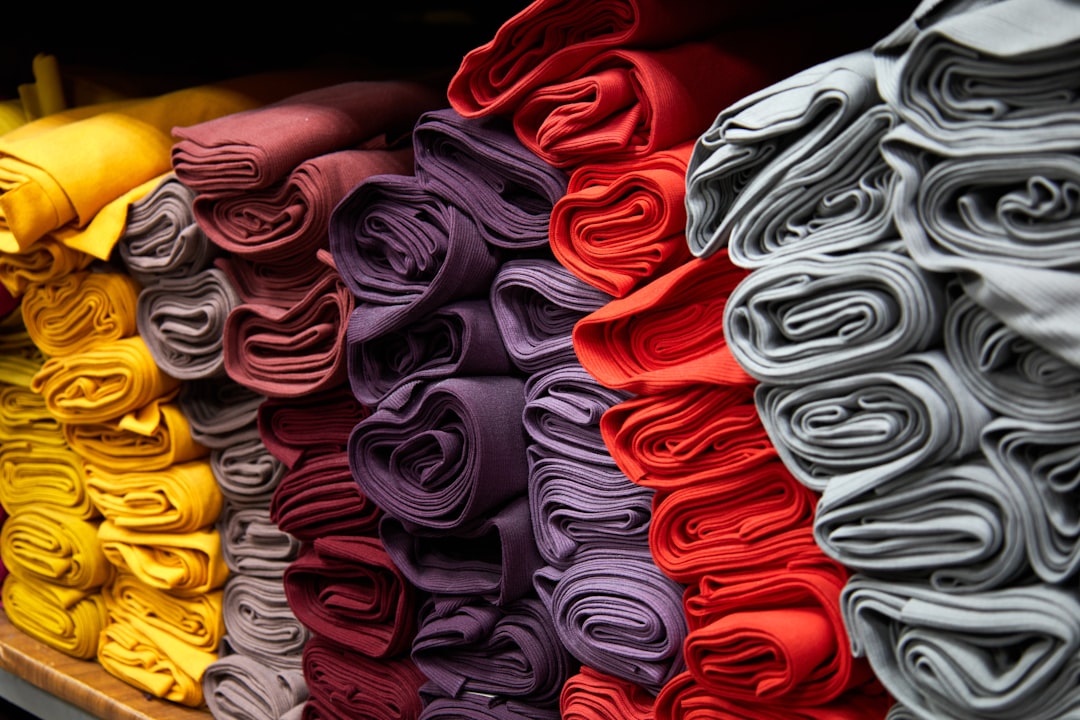
Choosing fabrics for sustainable fashion isn’t just about style; it’s about making conscious choices that reflect our values and the well-being of our planet. Have you ever stopped to think about how many garments you own and where each piece came from? You’re not alone. Many of us are waking up to the impacts our clothing choices have on the environment, and that includes the fabrics we choose. So, how do we make better fabric choices in the world of sustainable fashion?
Understanding Sustainable Fashion Fabrics
Sustainable fashion fabrics are those that reduce negative environmental impacts while promoting a more ethical fashion industry. When you’re considering how to choose fabrics for sustainable fashion, it’s crucial to look into the origins of these materials and what goes into producing them. Some fabrics may be made from organic cotton, recycled materials, or even plant-based sources. Each has its own pros and cons, and understanding these can help you make informed choices.
Why Fabric Choice Matters
Most people don’t consider that the fabric of their clothes impacts not just their wardrobe, but the planet as well. Fabrics made from conventional cotton, for instance, often require a hefty amount of water and pesticides, which can damage local ecosystems. In my experience, choosing the right fabric can truly make a difference in sustainability. The choices you make can contribute to reducing waste, pollution, and resource depletion.
Essential Fabric Sourcing Tips
Knowing how to choose fabrics for sustainable fashion involves a few key sourcing tips that any eco-conscious shopper can take to heart:
- Research the Material: Before buying, it’s helpful to understand how the fabric is made. Look for certifications like OEKO-TEX or GOTS that indicate sustainable practices.
- Check for Transparency: Brands that are transparent about their sourcing and manufacturing processes are often more trustworthy. If a brand won’t disclose where or how their fabrics are sourced, it’s a red flag.
- Consider Lifespan: Opt for fabrics that are durable and have a longer lifespan. Choosing quality over quantity means your clothes can be worn longer, minimizing waste.
- Go for Versatility: Fabrics that can be worn across seasons or styled in multiple ways offer more value and reduce the need for excess clothing.
Popular Eco-Friendly Fabrics
Now that you’ve got some sourcing tips, let’s explore some popular eco-friendly fabrics that are making waves in the sustainable fashion world:
Organic Cotton
Organic cotton is grown without harmful pesticides or fertilizers. This not only protects the environment but also helps farmers earn a fair wage. When you opt for organic cotton, you support eco-friendly practices and often end up with a softer, more breathable fabric.
Recycled Polyester
Recycled polyester is made from post-consumer plastic items like bottles. By choosing this fabric, you’re not only reducing plastic waste but also encouraging the recycling industry. It’s a durable option that’s perfect for various garments, from workout clothes to everyday wear.
Tencel/Lyocell
Tencel, or lyocell, is made from sustainably sourced wood pulp, primarily from eucalyptus trees. It’s processed in a closed-loop system that recycles water and solvents, making it a great eco-friendly choice. With its silky texture and moisture-wicking properties, it’s perfect for luxurious and breathable clothing.
Hemp
Hemp is one of the most environmentally friendly fabrics around. It grows quickly, requires little water, and improves soil health. Garments made from hemp are durable and only get better with age. They’re a fantastic option for those looking to make a bold yet sustainable statement.
What to Avoid When Choosing Fabrics
While there are many sustainable options out there, it’s equally important to know what to avoid. Here are some fabrics to steer clear of:
- Conventional Cotton: As previously mentioned, cotton can require a lot of resources and chemicals to produce. Opt for organic cotton instead.
- Polyester (non-recycled): While polyester can be recycled, the conventional version is made from petroleum, contributing to environmental harm.
- Acetate: Acetate production involves toxic chemicals and is often non-biodegradable.
Building Your Capsule Wardrobe with Sustainable Fabrics
If you’re pondering how to choose fabrics for sustainable fashion as part of a capsule wardrobe, start by mixing and matching versatile pieces that use these eco-friendly fabrics. A well-planned capsule wardrobe can simplify your choices while ensuring that every piece is made with sustainability in mind.
Focus on picking timeless styles in sustainable fabrics that won’t go out of fashion quickly. This way, you won’t feel the need to constantly replace items, which is key in reducing waste.
Your Role in Sustainable Fashion
At the end of the day, it’s not only brands that have a role in creating a sustainable fashion industry; consumers do, too. By choosing the right fabrics, you send a message that eco-conscious fashion is important. Many people might think one person can’t make a difference, but that’s where they’re wrong. As more and more individuals start to make informed choices, brands will be pushed to adapt and become more transparent in their practices.
It’s a collective effort, and every small choice counts. If we all commit to better fabric choices, we can encourage a more sustainable future in fashion.
Final Thoughts
Figuring out how to choose fabrics for sustainable fashion can be a rewarding venture. Start with research, support brands that prioritize eco-friendly fabrics, and don’t be afraid to ask questions about the materials you’re buying. Sustainability in fashion is about mindful consumption—embracing the journey of making better choices, one fabric at a time. By being intentional about what we wear and where we source our fabrics, we not only look good but also do good for our planet.