Ever found yourself in the middle of a binge-worthy show only to have the Wi-Fi signal drop right when the plot thickens? It’s frustrating, isn’t it? I’ve been there, too. It’s like the universe conspires against your need for a smooth streaming experience. If you’ve ever wondered how to improve home Wi-Fi signal strength, you’re not alone. Poor connectivity is a common issue that many faced, especially with the increasing number of devices vying for bandwidth.
In this post, I’ll share some practical Wi-Fi signal tips that have worked for me and others. Whether it’s an online meeting, streaming, or just browsing, having a reliable connection is crucial. Let’s jump in and explore how to boost Wi-Fi range and optimize your home network.
Understanding Your Wi-Fi Signal
First, let’s take a moment to understand what affects your Wi-Fi signal strength. Wi-Fi operates on different frequencies—primarily 2.4 GHz and 5 GHz. The 2.4 GHz band offers greater range but at slower speeds, while the 5 GHz band provides faster speeds but covers less distance.
Most modern routers are dual-band, allowing devices to connect to either frequency. If you’re trying to improve home Wi-Fi signal strength, start by identifying which frequency works best for your needs. You might find that some devices are better suited to one band over the other.
The Importance of Router Placement
Believe it or not, the placement of your router can make a significant difference in your Wi-Fi signal. In my experience, a lot of people simply stick their routers in a corner of the house, often out of sight. This can really hinder your signal strength.
- Central Location: Place your router in a central spot in your home. Ideally, it should be elevated on a shelf or a high surface to allow the signal to disperse effectively.
- Avoid Obstacles: Keep it away from walls, large furniture, and appliances. Physical barriers can absorb or block the Wi-Fi signal.
Update Your Router’s Firmware
Many folks don’t realize that their router, like any piece of technology, needs updates. Manufacturers regularly release firmware updates to fix bugs, improve performance, and enhance security. Check your router’s web interface and ensure you’ve installed the latest updates.
Updating your firmware can often lead to improved Wi-Fi performance and signal strength. A simple step like this can make a noticeable difference in your home network optimization.
Investing in Better Equipment
If you’re truly committed to improving your Wi-Fi experience, consider upgrading your router. Chances are, if you bought it several years ago, it might not be equipped to handle today’s demands. When looking for a new router, consider:
- Dual-Band or Tri-Band: These offer better performance by providing multiple bands for your devices to connect to.
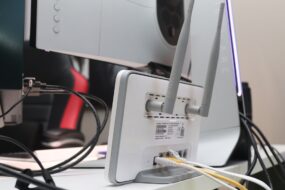
- Higher Range: Look for routers with a better range specification. Some routers come with antennas that can be adjusted to improve coverage.
In my experience, investing in a quality router can greatly enhance the overall Wi-Fi experience and help you improve home Wi-Fi signal strength.
Extending Your Wi-Fi Range
If after optimizing your setup you’re still facing issues, it might be time to consider extending your Wi-Fi range. Here are a few options:
- Wi-Fi Extenders: These devices plug into an outlet and boost your existing Wi-Fi signal into areas where coverage is weak.
- Mesh Wi-Fi Systems: These consist of multiple units that work together to create a single, strong Wi-Fi network that covers a larger area.
Both solutions can effectively boost your Wi-Fi range, but I’d recommend mesh systems for larger homes. They can provide a more consistent connection across different areas.
Wi-Fi Signal Tips: Limiting Interference
Several everyday devices can interfere with your Wi-Fi signal. For instance, microwaves, cordless phones, and even neighboring Wi-Fi networks can cause disruptions. Here are a few tips to limit interference:
- Choose the Right Channel: Routers operate on specific channels. Use Wi-Fi analyzer tools to find the least crowded channel and switch your router settings accordingly.
- Turn Off Unused Devices: If your network is cluttered with multiple devices, disconnect any that you’re not currently using. Too many devices can slow down your network.
Regularly Monitor Your Network
Monitoring your network traffic can help you identify any devices that are hogging bandwidth or problems affecting your connection. Tools like NetSpot or Wireshark can help you track network usage.
Additionally, if you notice any unknown devices connected to your network, it might be wise to change your Wi-Fi password and tighten your network security. This will help improve home Wi-Fi signal strength by ensuring only your devices are using the bandwidth.
Conclusion: Your Path to Better Wi-Fi
Improving your home Wi-Fi signal strength doesn’t have to be daunting. With just a few simple adjustments, you could enjoy a much better online experience. Remember, factors like router placement, equipment quality, and network monitoring can significantly impact your connectivity. Don’t forget to explore different ways to boost your Wi-Fi range and stay informed about your network’s performance.
Implementing these Wi-Fi signal tips can lead to a noticeable improvement in your connection stability and speed. So, take the first steps today, and say goodbye to those annoying buffering moments! After all, in our digital age, a reliable Wi-Fi connection is more than just a luxury; it’s a necessity.