Picture this: it’s Friday night, and you’re all set for a gaming marathon. You’ve invited friends over, snacks are ready, and you’re geared up for some serious competition. But then, right in the middle of an epic match, your game starts lagging, stuttering, and suddenly sends you back to the main menu. Frustrating, right? If you want to optimize your home Wi-Fi network for gaming, read on. Let’s dive into some practical tips that’ll help you improve Wi-Fi gaming speed and reduce lag in online games.
Understanding the Basics of Wi-Fi and Gaming
Before jumping into all the technical tweaks, it helps to understand the basics of how Wi-Fi works and why it matters for gaming. Most of us use Wi-Fi without thinking twice, but when it comes to gaming, even the smallest issues can turn into major headaches.
Wi-Fi sends data packets back and forth between your router and your gaming device. When everything’s running smoothly, you get a stable connection that allows for real-time play. However, if there’s interference or bandwidth limitations, you might encounter problems, especially in fast-paced games. Knowing this can set you on the right path to optimize your home Wi-Fi network for gaming.
Choosing the Right Router: The First Step
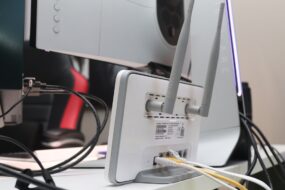
The first thing to consider when you want to improve Wi-Fi gaming speed is your router. Not all routers are created equal, and choosing the best model for your needs can make a world of difference.
In my experience, a dual-band or tri-band router is a solid choice for gamers. These routers operate on multiple frequencies, allowing you to connect more devices without overcrowding your network. If you plan on streaming while gaming or if other household members are using the internet simultaneously, a tri-band router can help avoid slowdowns.
What Features Should You Look For?
- Quality of Service (QoS): This feature prioritizes gaming traffic over other types of data. It’s a crucial setting that helps reduce lag in online games when several devices are connected.
- MU-MIMO Technology: Multi-User, Multiple Input, Multiple Output technology allows your router to communicate with multiple devices at once. This helps maintain a stable connection, even in busy households.
- Fast Data Transfer Speed: Look for routers that offer high speed, often measured in Mbps. A faster router ensures that your gaming data is transmitted quickly.
Optimal Router Settings for Gaming
After getting the right router, the next step is setting it up correctly. Here’s a rundown of the best router settings for gaming that can help you optimize your home Wi-Fi network for gaming.
Adjusting the Channel Width
Most routers default to automatic channel settings, but this isn’t always the best. Manually setting your channel width to 20MHz can help reduce interference, especially if you’re in an area with a lot of other networks.
Channel Selection
Routers operate on different channels. If you’re experiencing lag, check to see if other networks nearby are using the same channel. Switching to a less crowded channel can lead to a smoother gaming experience. Tools like Wi-Fi Analyzer can help you identify which channels are congested.
Positioning Your Router for Maximum Efficiency
Even the best router won’t perform at its peak if it’s tucked away in a corner or behind walls. Router placement is a critical step in optimizing your home Wi-Fi network for gaming.
Here are some tips:
- Central Location: Place your router in a central spot in your home. This helps distribute the signal evenly across all rooms.
- Elevated Position: Elevate your router on a shelf or mount it high. A router placed higher often has better coverage.
- Avoid Obstacles: Keep the router away from thick walls, electrical appliances, and metal objects that can interfere with the signal.
Device Connection: Wired vs. Wireless
When it comes to gaming, the type of connection can significantly affect performance. Here’s where opinions vary. Some gamers swear by wired connections, while others are perfectly fine with wireless. Here’s my take: if lag is a concern, going wired is often the best choice.
A wired Ethernet connection minimizes latency and provides a faster, more stable connection compared to Wi-Fi. But if you must use Wi-Fi, ensure your gaming console or PC is as close to the router as possible for the best signal strength.
Optimizing Your Bandwidth
Another important factor to consider when trying to improve Wi-Fi gaming speed is bandwidth allocation. When multiple devices use the same network, you can quickly eat up your available bandwidth, which leads to lag.
To combat this, consider these strategies:
- Limit Background Applications: Make sure no other bandwidth-heavy applications are running while you’re gaming. This includes video streaming, large downloads, or even automatic updates.
- Schedule Updates: Schedule system or game updates for times when you’re not gaming. This helps free up bandwidth during crucial gaming sessions.
- Prioritize Gaming Traffic: Use QoS settings on your router to prioritize gaming devices over others. This can help ensure you get the best speed when you need it most.
Reduce Interference from Other Devices
Household devices can interfere with your Wi-Fi signal. Microwaves, cordless phones, and Bluetooth devices can all cause signal disruption. In my experience, simply relocating these devices away from your router can yield positive results.
Additionally, consider switching your router from the 2.4 GHz band to the 5 GHz band if you have a dual-band router. The 5 GHz band generally experiences less interference and is often faster, but it has a shorter range. For gaming, it’s worth trying out to see if it makes a difference.
Testing Your Connection
Once you’ve implemented all these strategies, it’s essential to test your connection. Many websites offer free speed testing services, allowing you to measure ping, download speed, and upload speed. Your goal is to see low ping times (ideally under 30 ms) and consistent download/upload speeds.
Running these tests at different times of day can help assess network performance during peak usage hours. If you find your speeds dropping, you might need to reassess your settings or possibly consider an upgrade.
Conclusion: The Commitment to Constant Improvement
Optimizing your home Wi-Fi network for gaming isn’t a one-time task; it requires ongoing effort and adjustments. As technology evolves, new routers and methods will emerge that could enhance your gaming experience. Stay proactive about checking your setup and experimenting with different configurations.
Everyone faces unique challenges regarding internet speed and connectivity, so what works for one may not be ideal for another. But by following the outlined steps and being mindful of your network’s performance, you’ll significantly reduce lag in online games and enjoy a smoother gaming experience. Happy gaming!