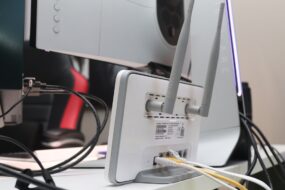
Picture this: it’s Friday night, you’re finally ready to dive into your favorite online multiplayer game. You grab a snack, settle into your gaming chair, and turn on your console. But just as you’re ready to jump into the action, you get hit with latency issues. Your character freezes, and you find yourself staring at the dreaded loading screen. If that’s happened to you, it’s time to optimize your home Wi-Fi network for gaming.
Understanding the Importance of Wi-Fi for Gaming
Let’s face it: a slow internet connection can ruin your gaming experience faster than a game-ending glitch. High latency, packet loss, and poor connection speed all lead to frustrating gameplay. So, why is optimizing your home Wi-Fi network essential?
Higher bandwidth means more data can flow simultaneously. This is crucial when multiple devices are connected to the internet. By optimizing your network, you can significantly improve Wi-Fi speed, which translates into smoother gameplay, fewer interruptions, and ultimately, a more enjoyable gaming experience.
Assessing Your Current Setup
Before diving into the tweaks and tricks, take a moment to assess your current setup. Here’s a quick checklist:
- What type of router do you have?
- What’s your internet speed? (Check with a speed test)
- How many devices are connected to your network?
- Where’s your router located in your home?
Many people don’t realize that the type of router plays a significant role in performance. Older routers can’t handle advanced gaming demands as well as newer models. In my experience, dual-band routers tend to work better for gaming compared to single-band options.
Choosing the Right Router
If you’re still using an outdated router, it might be time for an upgrade. Here’s what to look for:
- Dual-Band or Tri-Band: These routers can distribute the load more effectively across devices. Dual-band routers operate on 2.4 GHz and 5 GHz frequencies, allowing you to segregate your gaming traffic from other devices.
- MU-MIMO Technology: Multi-User, Multiple Input, Multiple Output allows multiple devices to get data simultaneously, improving overall performance.
- Quality of Service (QoS) Settings: This feature prioritizes network traffic for specific devices, perfect for making your console or PC a priority during gaming sessions.
While investing in a new router can seem daunting, it’s one of the best ways to improve Wi-Fi speed for gaming.
Positioning Your Router Effectively
You might have the best router on the market, but if it’s hidden in a corner or stuffed in a cabinet, you won’t experience its full potential. Positioning is key when you want to optimize your home Wi-Fi network for gaming. Here are some tips:
- Place your router in a central location in your home.
- Keep the router off the floor and on a shelf to avoid interference.
- Avoid placing it near walls, metal objects, or other electronic devices that could cause interference.
In my experience, a little adjustment can significantly enhance signal strength in your gaming area.
Optimizing Your Router Settings
Now it’s time to dig into your router’s settings. Changing some configurations can significantly impact your gaming experience:
- Change the Channel: Congestion often occurs on popular channels. Use your router’s interface to switch to less crowded channels. Tools like Wi-Fi analyzers can help here.
- Enable Quality of Service (QoS): As mentioned earlier, QoS settings allow you to prioritize bandwidth for your gaming device. It’s a game-changing setting that can help you avoid pesky lag spikes when someone else in your home starts streaming.
- Update Firmware: Regularly check for firmware updates. Manufacturers often release fixes and improvements that can enhance performance.
By adjusting these settings, you can fine-tune your connection and effectively improve Wi-Fi speed.
Using an Ethernet Connection
If you want to take your gaming to the next level, consider using a wired Ethernet connection instead of Wi-Fi. While Wi-Fi is convenient, it can sometimes be less reliable. Here’s why Ethernet could be the better choice:
- Lower Latency: Wired connections typically offer lower ping times, which is crucial for real-time gaming.
- Stable Connection: Ethernet connections are less susceptible to interference compared to Wi-Fi, ensuring a steady connection.
- No Bandwidth Sharing: Unlike Wi-Fi, where multiple devices share the same bandwidth, Ethernet provides dedicated bandwidth for your gaming rig.
If running cables isn’t feasible, you might also want to consider powerline adapters or MoCA adapters, which can extend your network through your home’s electrical wiring or coaxial cables.
Minimizing Interference
Interference is one of the biggest challenges for Wi-Fi networks. Here are some common culprits and how to eliminate them:
- Microwave ovens and cordless phones can disrupt Wi-Fi signals if they’re too close to your router.
- Keep your router away from large metal equipment, such as refrigerators or filing cabinets.
- Use a dual-band router to reduce interference from other network devices, especially neighboring networks.
Most people don’t connect the dots between their home appliances and Wi-Fi performance, but looking out for these issues can drastically improve your gaming experience.
Regular Maintenance and Monitoring
Once you’ve gone through the process of optimizing your home Wi-Fi network for gaming, you won’t want to rest on your laurels. Regular maintenance is essential:
- Perform speed tests periodically to ensure you’re getting the speeds you’re paying for.
- Check for unauthorized devices on your network to prevent bandwidth hogging.
- Keep an eye on firmware updates for your router.
Keeping the network in tip-top shape is crucial for consistent gaming performance.
Conclusion: Ready to Game?
Optimizing your home Wi-Fi network for gaming doesn’t have to feel like climbing a mountain. With some simple adjustments and a little bit of tech-savvy, you can enhance your gaming experience dramatically. Remember, it’s all about reducing latency, ensuring stability, and improving speed.
Whether you decide to invest in a new router, shift it to a better spot, or tweak those settings, each step you take will get you closer to a smoother gaming experience without the lag. So, grab your controller, make these changes, and prepare for an uninterrupted gaming marathon!