Picture this: it’s a Saturday afternoon, and you’ve finally settled down to binge-watch your favorite series. You grab the remote, press play, and… buffering. If you’ve ever faced Wi-Fi woes, you know how frustrating it can be. Whether you’re streaming, gaming, or working from home, optimizing your home Wi-Fi network performance can make a significant difference in your experience.
But what does it really mean to optimize your home Wi-Fi network performance? You might be surprised to learn that there are numerous tweaks and adjustments you can make that won’t require you to become a tech expert. Here’s how you can improve Wi-Fi speed, boost your Wi-Fi signal, and enhance your Wi-Fi connection.
Identify the Pain Points in Your Wi-Fi Setup
Before you dive into tweaks and adjustments, it’s essential to understand where your Wi-Fi setup might be falling short. Several factors can influence your network performance:
- Location of Your Router: Is it tucked away in a corner of the basement? Poor placement can block the signal.
- Interference from Other Devices: Microwaves, cordless phones, and even your neighbor’s network can cause issues.
- Outdated Hardware: Is your router from a decade ago? Technology evolves, and so should your equipment.
To optimize your home Wi-Fi network performance, start by identifying these pain points. Spend a few minutes walking around your home with your device to test the signal strength in different areas. This can highlight where your network is struggling.
Choosing the Right Router
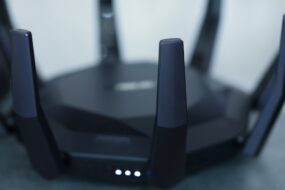
Your router is the heart of your Wi-Fi network. If it’s not up to the task, you won’t get far. In my experience, many people underestimate the importance of having a good router. When choosing one, consider the following:
- Wi-Fi Standard: Look for routers that support the latest standards, such as Wi-Fi 6 (802.11ax). They offer better speed and capacity.
- Bands: Dual-band routers provide both 2.4 GHz and 5 GHz frequencies. The 5 GHz band is usually faster and less congested.
- Range: Make sure the router can cover your entire living space. If you have a large house, consider a model designed for extended range.
Investing in a quality router can drastically optimize your home Wi-Fi network performance. It’s worth the money, especially if you depend on a stable connection for work or entertainment.
Router Placement Matters
Once you’ve got a decent router, the next step is placement. Put it in the right spot, and you can drastically improve Wi-Fi speed and boost Wi-Fi signal throughout your home. Here are some tips:
- Central Location: Ideally, your router should be placed in a central part of your home, away from walls and obstructions.
- Elevate It: Placing the router on a shelf, high up, can help signals travel further and faster.
- Avoid Obstacles: Keep it away from large metal objects, thick walls, and electronic devices that could cause interference.
Implementing these changes not only helps enhance Wi-Fi connection but also offers a better overall internet experience throughout your home.
Secure Your Network
Another area people often overlook is security. An unsecured network can allow unauthorized users to connect, which can slow down your internet speeds and compromise your data security. Here’s how to enhance your network’s security:
- Change Default Passwords: Always change the default username and password for your router—these are often easy for hackers to guess.
- Use WPA3 Encryption: If your router supports it, always opt for WPA3 encryption for added security.
- Disable WPS: Wi-Fi Protected Setup (WPS) can be a security risk, so it’s best to disable it.
By securing your network, you’re not just improving your Wi-Fi speed; you’re also protecting your personal information from potential threats.
Update Your Router’s Firmware Regularly
Just like any software, your router’s firmware needs to be updated to ensure it’s performing at its best. Router manufacturers frequently release updates that can fix bugs and improve performance. Here’s how to update your router:
- Access the Admin Panel: Enter the router’s IP address in your web browser. Check your router’s manual for the specific address.
- Check for Updates: Look for a tab that says something like “Firmware Update” or “Advanced Settings.”
- Follow Instructions: If an update is available, follow the prompts to install it—this usually takes a few minutes.
In my experience, keeping your router updated can significantly boost your Wi-Fi signal and optimize your home Wi-Fi network performance over time.
Optimize Bandwidth Usage
A lot of people with multiple devices connected to their Wi-Fi may notice sluggishness. If your network seems to be crawling during peak times, it’s time to look into bandwidth management. Here are some strategies:
- Limit Bandwidth-Hogging Apps: Streaming services, online gaming, and large downloads can monopolize your Wi-Fi. Consider scheduling these activities during off-peak hours.
- Prioritize Devices: Many routers offer Quality of Service (QoS) settings, where you can prioritize critical tasks, like video calls, over others.
- Set Time Limits: If your household has kids, consider setting internet time limits for gaming or streaming activities.
By managing your bandwidth more effectively, you’ll not only enhance your Wi-Fi connection but also make the internet more reliable for everyone in your home.
Consider Wi-Fi Extenders or Mesh Networks
If your home has dead zones where the Wi-Fi signal isn’t reaching, you might want to consider Wi-Fi extenders or a mesh network system. Here’s a look at both options:
- Wi-Fi Extenders: These devices can boost your existing network signal. They’re a good solution for larger homes with dead spots but can sometimes be less effective if placed too far from the router.
- Mesh Network Systems: These systems consist of multiple nodes that work together to blanket your home with Wi-Fi. They can often provide more consistent performance than traditional extenders.
Many people don’t realize how much of a difference these systems can make. Deciding between an extender or a mesh network largely depends on your home’s layout and your internet usage. But adding a little extra coverage could be the key to optimizing your home Wi-Fi network performance.
Conclusion: Maintain and Monitor Your Network
Optimizing your home Wi-Fi network performance isn’t a one-time task; it’s an ongoing process. Regularly check your network speed using tools like Ookla Speedtest. Monitor which devices are connected to your network and watch for unusual activity.
In my experience, many individuals often overlook the simplest tweaks that can yield significant improvements. Don’t ignore software updates, secure your network properly, and keep an eye on the devices connected to your Wi-Fi. Optimize your home Wi-Fi network performance, and you’ll enjoy a faster, more reliable connection—and maybe even a few fewer buffering moments on your Saturdays.