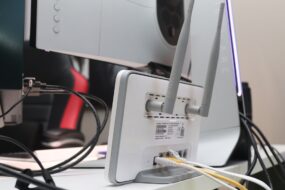
Ever tried binge-watching your favorite series only to be greeted by that spinning wheel of doom because your Wi-Fi decided to take a break? Frustrating, isn’t it? A sluggish home Wi-Fi network can really throw a wrench into your online plans, whether you’re working from home, gaming, or just scrolling through social media. Today, we’re going to explore practical tips you can use to optimize your home Wi-Fi network speed, so you can banish those annoying slowdowns for good.
Understanding Your Wi-Fi Setup
Before diving into optimization techniques, it’s crucial to understand the components that make up your Wi-Fi network. Your home setup typically includes a modem, router, and sometimes extenders or mesh systems. Each of these plays a role in delivering internet speed to your devices.
The modem connects to your Internet Service Provider (ISP) and converts the signal into a format your router can use. The router, sometimes combined with the modem in one device, distributes that internet signal wirelessly to your devices. If either piece of your setup is outdated or not functioning properly, it can hinder your ability to optimize your home Wi-Fi network speed.
Check Your Internet Speed
Before starting any optimization process, it’s a good idea to check your internet speed. Use online speed test tools like Ookla or Fast.com. This will give you a baseline to see if the speed you’re getting matches what you’re paying for. If it’s significantly lower, it might be time to contact your ISP.
Choose the Right Location for Your Router
The placement of your router is one of the easiest ways to boost your Wi-Fi signal. Most people stick their routers in a hidden corner of the house, thinking they’re protecting it. However, that’s one of the biggest mistakes you can make. Here are a few tips for optimal router placement:
- Central Location: Try to place your router in a central location in your home. This reduces the distance between your router and your devices.
- High Up: Elevate your router as much as possible, placing it on a shelf or high furniture.
- Away from Obstacles: Keep the router away from walls, microwaves, and metal objects, which can interfere with signals.
In my experience, relocating the router can lead to immediate improvements in speed and connectivity.
Update Your Router’s Firmware
Many people don’t realize that updating your router’s firmware can significantly improve your network performance. Firmware updates fix bugs, provide new features, and often enhance security.
To check for updates, log into your router’s admin panel through your browser. Look for the settings or maintenance section and see if there’s an option to upgrade. This small step can sometimes transform your home network optimization.
Optimize Your Wi-Fi Settings
Most routers come with default settings that may not be ideal for your specific home. One way to optimize your home Wi-Fi network speed is by tweaking these settings:
- Change the Channel: Wi-Fi channels can become crowded, especially in apartment complexes. Log into your router and switch to a less congested channel.
- Adjust Security Settings: Ensure you’re using WPA3 or WPA2 for security. Open networks can slow your speed or expose you to external threats.
- Band Steering: If your router supports both 2.4 GHz and 5 GHz bands, enable band steering to automatically connect devices to the best band.
These adjustments can seem minor but have a significant impact. Here’s what most people get wrong—thinking they can just set it and forget it. Regularly checking these settings ensures you’re getting the most from your equipment.
Consider Upgrading Your Equipment
If you’re still using an old router, it might be time to consider an upgrade. Equipment technology, like everything else, advances rapidly. New routers offer better range, speed, and features compared to older models.
Look for routers that are dual-band or tri-band, which can handle more devices at once. Also, consider mesh Wi-Fi systems if you live in a larger home where a single router can’t cover the entire area. These systems use multiple nodes to ensure even coverage.
Limit Bandwidth-Heavy Applications
Ever noticed how your Wi-Fi speed drops when multiple devices are using the internet? This is because certain applications hog bandwidth. Here are a few tips to manage bandwidth usage:
- Monitor Your Devices: Use your router’s admin interface to see which devices are connected and how much bandwidth they’re consuming.
- Disconnect Unused Devices: Make a habit of disconnecting devices that aren’t in use.
- Schedule Heavy Downloads: If you’re downloading large files, schedule them for off-peak times when you don’t need the internet as much.
By managing how much bandwidth each device and application uses, you can significantly boost Wi-Fi signal quality and speed.
Use Ethernet Cables When Possible
If you’re concerned about speed drops, consider switching from Wi-Fi to a wired connection for devices that require a lot of bandwidth, like gaming consoles and desktop computers. Ethernet connections tend to offer sharper, faster speeds without the interference that comes with wireless connections.
In my experience, running a few Ethernet lines throughout your house can be worth the effort. Not only does it free up bandwidth for wireless devices, but it also provides a more stable connection for heavy users.
Invest in Wi-Fi Extenders or Mesh Networks
If you’ve optimized everything and still notice dead zones in your home, you might want to invest in Wi-Fi extenders or, better yet, a mesh network system. These options broaden your network’s reach and minimize dead spots where the signal is weak.
- Wi-Fi Extenders: These devices connect to your router’s signal and expand it to hard-to-reach areas of your home. They’re generally cheaper, but you may notice a drop in speed.
- Mesh Networks: A mesh system consists of multiple nodes that work together to create a unified Wi-Fi coverage area. They’re usually easier to set up and offer consistent speeds across the house.
Choosing the right option depends on your home’s size and layout, so think about what would work best for you.
Final Thoughts
Optimizing your home Wi-Fi network speed is an ongoing process that involves more than just tweaking settings once. By regularly monitoring your speed, adjusting your hardware and placement, and being mindful of how many devices you’re using, you can create a fast, reliable internet experience.
Remember, a small effort in maintaining and optimizing your home network can go a long way. So, goodbye buffering, and hello smooth streaming and fast downloads! You deserve a Wi-Fi experience that matches the fast-paced world we live in.