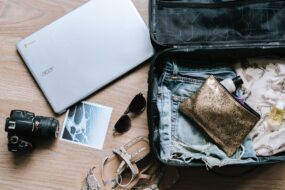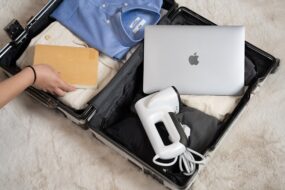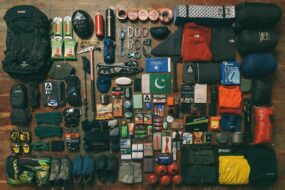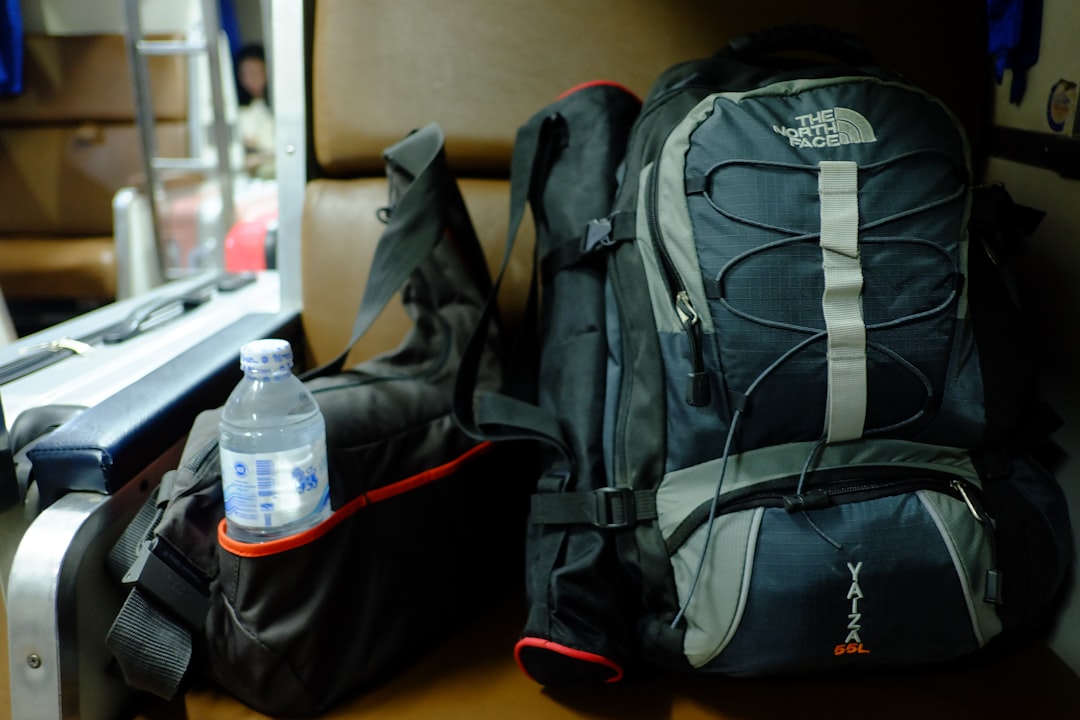
Picture this: you’re standing at the trailhead, your backpack weighing down heavily on your back. Despite all the careful planning, you can’t help but feel overwhelmed by the sheer bulk of what you’re carrying. You’ll be hitting the trails for days, and it can feel like every extra item is stacked against you. We’ve all been there, right? But packing light for backpacking trips doesn’t have to be a daunting challenge. With the right approaches and some practice, you can make your travels more enjoyable and freeing.
Many people struggle with the idea of minimalist travel packing, thinking they might miss out on something important. But here’s the truth: most of the time, you don’t need half the gear you think you do. In my experience, the key to an enjoyable backpacking trip is reducing your load to the essentials. Let’s dive into how to pack light for backpacking and turn that heavy burden into a manageable, enjoyable experience.
1. Start with a Packing List
Before you throw everything into your backpack, start by making a packing list. This isn’t just any list—it should be based on the specific trip you’re planning. Consider things like the duration of your trip, the climate, and the activities you’ll be engaging in. Write down everything you think you’ll need, and then go through it again to eliminate anything unnecessary.
Here’s how to narrow it down:
- Group similar items: For example, instead of listing each individual piece of clothing, categorize them by type (shirts, pants, etc.).
- Identify multipurpose items: Look for gear that serves multiple functions, like a jacket that’s both warm and waterproof.
- Prioritize essentials: Focus on items you know you’ll use daily. If it’s not a must-have, leave it behind.
2. Choose the Right Backpack
The foundation of your packing light for backpacking strategy is choosing the right backpack. Your backpack should fit your body and be appropriate for the length of your trip. A common mistake people make is opting for a backpack that’s too large, leading to the temptation to fill it unnecessarily.
Look for a lightweight backpack with enough capacity for your needs:
- Day Trips: A 20-30 liter pack is ideal for short excursions.
- Weekend Backpacking: A 40-60 liter pack should suffice.
- Extended Trips: For longer trips, aim for 60 liters and above.
3. Master the Art of Layering Clothing
Here’s what most people get wrong: they pack too many clothes thinking they’ll need options. However, it’s far better to pack layers. Layering allows you to adjust your clothing to varying temperatures and conditions without overloading your pack.
Here are some tips on how to effectively layer:
- Base Layer: Choose moisture-wicking fabrics to keep your skin dry.
- Insulation Layer: A lightweight fleece or down jacket works well for warmth.
- Outer Layer: A waterproof shell helps protect against the elements.
By opting for versatile items that you can mix and match, you’ll make it easier to pack light for backpacking while maintaining comfort and functionality.
4. Invest in Lightweight Gear
When you’re figuring out how to pack light for backpacking, remember that gear can weigh you down—literally. Investing in lightweight, high-quality gear can save you a significant amount of weight. Look for items like:
- Sleeping Bags: Down sleeping bags are often lighter and more compressible.
- Stoves: Look for compact, fuel-efficient options.
- Tents: Ultralight tents can be a game-changer for cutting down pack weight.
In my experience, choosing quality over quantity pays off. A few high-end pieces will typically serve you better than a bunch of cheaper items that don’t meet your needs.
5. Organize Your Pack
Once you’ve selected your gear and clothing, focus on how to pack them. A well-organized pack will not only keep your items safe but also make it easier to access what you need when you need it. Here’s how to organize your backpack effectively:
- Use packing cubes: These can help keep your clothing neatly organized.
- Keep heavier items low: Always pack heavier gear closer to your back and lower down in the pack for better balance.
- Access gear easily: Place frequently used items (like a first aid kit or snacks) at the top or in side pockets.
A well-organized pack helps you stay efficient on the trail and reduces the chances that you’ll forget something important.
6. Evaluate Your Food Choices
Food can take up a lot of space and add unnecessary weight. Rethinking your food choices can drastically help in your quest to pack light for backpacking. Here are some backpacking packing tips when it comes to food:
- Go dehydrated: Dehydrated meals are lightweight and take up minimal space.
- Choose calorie-dense snacks: Look for high-calorie options like nuts, nut butters, and energy bars.
- Minimize packaging: Bulk bins or resealable bags can save space compared to individual packaging.
Planning meals in advance can also help you carry exactly what you need without excess.
7. Be Mindful of Personal Items
When it comes to personal items like toiletries, it’s crucial to practice minimalist packing. Many travelers overestimate their needs. Here’s how to pack smart:
- Think Travel Size: Opt for travel-sized containers or share products with a friend if you’re not solo adventuring.
- Limit extras: You won’t need a new outfit or tons of makeup. Just the essentials!
- Leave the “just in case” items: If you wouldn’t use an item daily at home, you likely won’t need it on the trail.
8. Practice Makes Perfect
Before your big trip, do a trial run. Load your backpack with your planned items and go for a hike. This way, you’ll understand how everything feels and can make adjustments as needed. You might find that you packed too much—or maybe you missed something crucial.
In my opinion, there’s no substitute for experience. Every trip teaches you something new. You’ll refine your packing strategies and get better at minimalist travel packing over time.
As you learn how to pack light for backpacking trips, you’ll realize that the less you carry, the more enjoyable your adventure becomes. By following these tips and being intentional about what you pack, you’ll be well on your way to experiencing the freedom and simplicity of backpacking weightlessly.
So, next time you prepare for an outdoor escape, remember: it’s about the adventure, not the stuff. Embrace the challenge of light packing, and you might just find that the best moments come when you’re unencumbered by heavy loads and cluttered minds.