There’s nothing quite like the thrill of a hiking trip. The fresh air, stunning views, and the sense of adventure make it one of life’s simplest pleasures. But let’s be honest: packing for such an adventure can feel overwhelming! You want to make sure you have everything you need without lugging around unnecessary weight. That’s why knowing how to pack for a hiking trip successfully is crucial. So, let’s dive in!
Understanding Your Hiking Trip Essentials
Before you even think about packing your bags, you need to know what you’ll be facing on your hiking trip. Will you be tackling rocky terrain, or are you heading to a well-marked trail? Are you planning a day hike or something more extended? Understanding your hiking environment is key to figuring out your hiking trip essentials.
In my experience, the biggest packing mistakes often come from not fully understanding the hike. People tend to overlook weather conditions, gear requirements, and potential challenges. For instance, a sunny day can quickly turn stormy, drastically changing what you might need. So, check the weather forecast before packing, and always prepare for the unexpected.
Your Backpacking Packing List
Now that you have a handle on what to expect, let’s create a backpacking packing list. This list is essential for ensuring you won’t forget important items. Consider the following categories:
- Clothing: Layering is your best friend when it comes to hiking. Start with moisture-wicking base layers, add insulating layers like fleece, and top off with a waterproof jacket.
- Footwear: Invest in good hiking boots or shoes. They should be comfortable and broken in to avoid blisters.
- Camping Gear: If your hiking trip includes an overnight stay, you’ll need a tent, sleeping bag, and sleeping pad.
- Cooking Equipment: A portable stove, cookware, and utensils will make mealtime much easier.
- Nutrition: Carry lightweight, non-perishable food like energy bars, nuts, and dried fruits.
- Safety Gear: Remember to pack a first-aid kit, fire starter, whistle, and headlamp.
How to Choose the Right Hiking Gear
Choosing the right hiking gear goes hand in hand with knowing how to pack for a hiking trip. You can’t just fill your backpack with whatever looks good—efficiency is vital. Here are some hiking gear packing tips to help you get started:
- Invest in Quality: Lightweight and durable gear often saves you weight and hassle in the long run.
- Packable Items: Select items that can be compressed or rolled up. They take up less space and keep your pack organized.
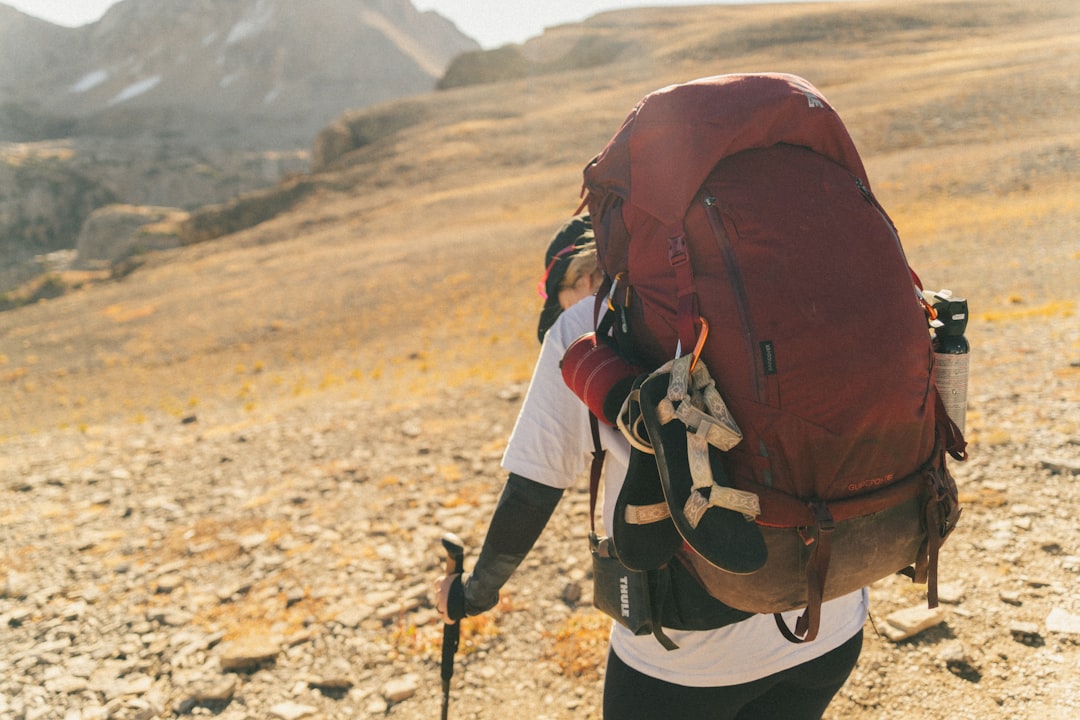
- Weight Distribution: Place heavier items closer to your back for better balance while hiking.
- Accessibility: Keep frequently used items like water bottles and snacks in external pockets for easy reach.
Organizing Your Backpack
How you organize your backpack is just as important as what you pack. Here’s a handy guide on how to pack effectively:
1. Start with a Clean Slate
Empty your backpack and clean any compartments to avoid mixing dirt or debris with your gear.
2. Use Packing Cubes or Stuff Sacks
If you want to keep things organized, consider using packing cubes or stuff sacks. They help separate clothing from food and gear.
3. Heavy Items First
Place heavy items at the bottom of your bag to create a low center of gravity. It makes carrying easier and reduces strain on your back.
4. Top-Side Packing
Store your lighter items, like sleeping bags or clothing layers, on top. They’re easy to access when you need to stop for a break.
5. Fill Every Gap
Take advantage of every space in your backpack. Stuff your shoes inside your sleeping bag, or fill empty spaces with snacks.
Maximizing Comfort: Clothing and Footwear
Your choice of clothing and footwear can make or break your hiking experience. Don’t underestimate this aspect when learning how to pack for a hiking trip. Here are some considerations:
- Breathability: Choose clothes that wick moisture and allow your skin to breathe. This can prevent chafing and overheating.
- Insulation: A lightweight, packable fleece or down jacket can provide warmth without taking up too much space.
- Footwear: Don’t forget to break in your hiking boots before hitting the trail! Blisters can ruin a trip.
- Extra Layers: Always bring an extra layer, even if the forecast looks perfect. Weather can change suddenly.
Food and Hydration: Striking the Right Balance
Nutrition and hydration are paramount for any hiking trip. Make sure you know how to pack for a hiking trip in this regard, too. Here’s how to get it right:
- Hydration Packs: Consider using a hydration bladder or water bottles that are easy to access and lightweight.
- Snacks: Stick with high-calorie, nutrient-dense snacks like trail mix, energy bars, or jerky to keep your energy levels stable.
- Meals: If you’re camping, opt for freeze-dried meals or simple cooking options that save you time and weight.
Safety First: Essential Items to Include
Safety can’t be overlooked when planning how to pack for a hiking trip. As much as you want to have fun, you need to be prepared for unexpected situations:
- First-Aid Kit: Always pack a basic first-aid kit. You never know when you might need it.
- Navigation Tools: Bring a map and compass, even if you’re familiar with the area. GPS devices can fail, and having a backup is essential.
- Emergency Gear: A whistle, multi-tool, and fire-starter are compact essentials that can make a world of difference if something goes wrong.
The Art of Light Packing
Finally, let’s discuss the art of light packing. One common mistake is overpacking—believe me, you won’t enjoy lugging around an overstuffed backpack. Here are some tips for keeping it light:
- Leave Behind Non-Essentials: Only bring items you’ll actually use. If it hasn’t been used in previous hikes, leave it behind.
- Mix and Match: Bring versatile clothing that can be used in multiple situations to minimize volume.
- Rent Gear: If you’re trying something new or going on a short trip, consider renting gear instead of buying.
The Final Checklist: Before You Go
So, you think you’ve got everything ready? Before you head out the door, here’s a quick checklist to ensure you didn’t forget anything:
- All clothing layers packed and weather-appropriate.
- Hiking shoes or boots that are comfortable.
- All food and hydration supplies set.
- A basic first-aid kit included in your gear.
- Navigation tools and emergency gear at hand.
- A well-organized backpack that’s been adjusted for comfort.
Now you feel confident about how to pack for a hiking trip! With these insights, you’re all set to head into the great outdoors. I hope the trails offer you the adventure you seek and that you return with stories to tell. Happy hiking!