There’s something magical about the mountains. Whether you’re scaling peaks or wandering through lush valleys, each step can feel like an adventure. But here’s the kicker: your experience can be drastically improved or ruined based on how well you prepare. And that brings us to one key aspect of any hiking trip—packing. Trust me. When it comes to packing tips for mountain hiking trips, a little thought goes a long way.
Why Packing Right Matters
Many people underestimate the importance of proper packing until they’re halfway up a mountain, regretting their decision to bring that heavy jacket or six extra granola bars. Packing smart isn’t just about putting things in a bag; it’s about creating a balance between being prepared and staying light. In my experience, those extra pounds in your backpack can feel like a ton of bricks when you’re trudging up a steep trail.
Know Your Destination
Before you even think about packing, take a moment to research your hiking destination. Different mountains have different climates. You wouldn’t want to pack for a summer hike in the Rockies and end up on a snowy trail, right? Understand the altitude, weather patterns, and terrain. This knowledge will guide your decisions on what gear and clothing to bring.
Your Essential Hiking Gear Checklist
Every trip can benefit from a well-thought-out hiking gear checklist. Here’s a streamlined list to ensure you don’t forget anything crucial:
- Footwear: Invest in comfortable, durable hiking boots that fit well. Don’t forget moisture-wicking socks!
- Clothing: Layering is key. Pack thermal layers, a moisture-wicking shirt, and a waterproof jacket.
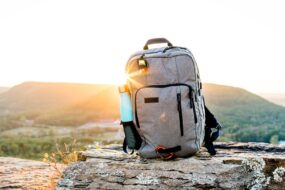
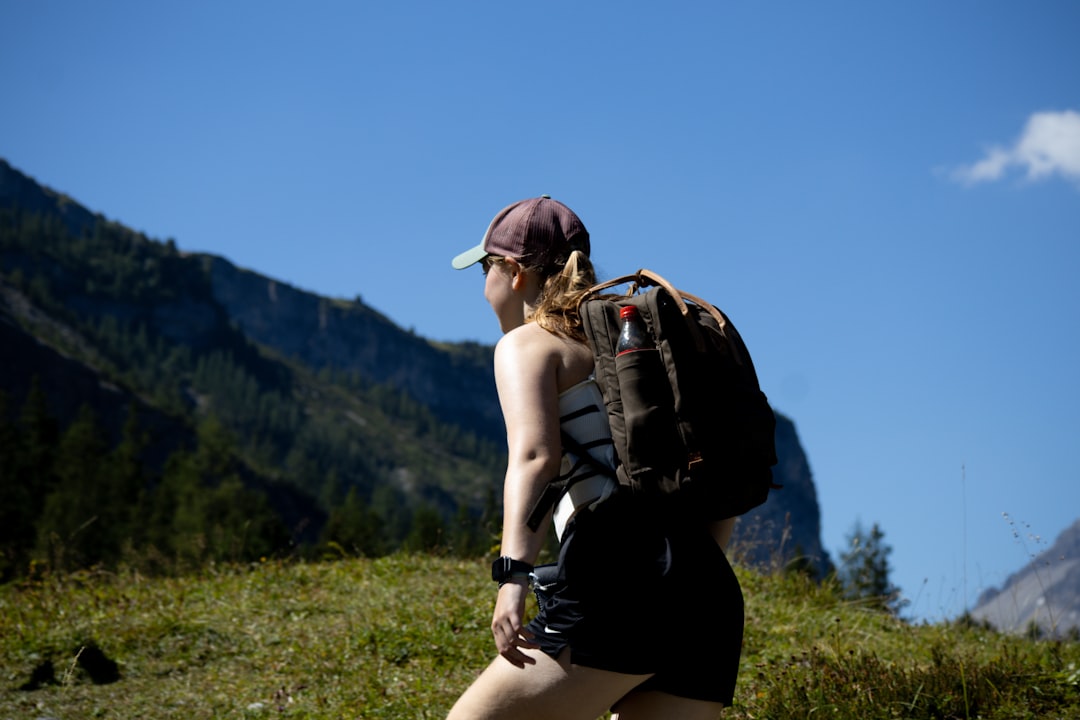
- Backpack: Choose an appropriate size for your hike. Aim for something lightweight but sturdy.
- Navigation Tools: GPS device, physical maps, and a compass just in case.
- Food & Water: Hydration packs or water bottles, and snacks like trail mix or energy bars.
- First Aid Kit: Always pack a small kit for emergencies.
- Emergency Supplies: Whistles, headlamps, and a multi-tool can be lifesavers.
- Sun Protection: Sunglasses, sunscreen, and a hat to shield you from harmful rays.
Packing Tips for Mountain Hiking Trips: The Do’s and Don’ts
As you put your items together, keep these packing tips for mountain hiking trips in mind:
- Do: Pack light. Every ounce counts, especially on longer hikes.
- Do: Organize your backpack. Use packing cubes or stuff sacks to keep similar items together.
- Don’t: Overpack. Familiarize yourself with mountain hiking essentials and stick to them.
- Don’t: Leave behind items you think “might” come in handy. Think necessities, not luxuries.
Layering Is Key
When we talk about mountain hiking essentials, layering your clothing has to be one of the most crucial elements. The weather in the mountains can be unpredictable; you might start in cool temps, face intense sun, and end with a chilly breeze. Here’s how to layer effectively:
- Base Layer: This should wick moisture away from your skin, keeping you dry. Materials like merino wool or synthetic fabrics are great choices.
- Insulation Layer: Fleece or down jackets can trap heat. Choose one that’s lightweight but warm.
- Outer Layer: A waterproof and windproof jacket is a must. It should fit over your insulation layer comfortably.
Food and Hydration: More Than Just Snacks
Don’t underestimate the importance of food and hydration during your trip. Here’s where many hikers go wrong. Not only should you bring enough water, but you should also consider how you’ll carry it. A hydration pack can make sipping on the go much easier. And your snacks shouldn’t just be what’s easy to grab from your pantry.
Opt for high-energy foods that will sustain you. Think protein bars, nuts, dried fruits, and jerky. The key? Foods that are light but nutrient-dense are the best choice. And if you think you’ll need more than a handful of snacks, consider packing a lightweight, portable stove for hot meals.
First Aid and Emergency Preparedness
You should never head out unprepared. A basic first aid kit is a must for any hiking adventure. Most people think they won’t encounter issues, but even minor accidents can happen. A scraped knee or twisted ankle can turn a fun day into a tough hike if you’re not prepared.
Make sure your kit includes:
- Band-aids in various sizes
- Antiseptic wipes
- Pain relievers
- Elastic bandage wraps
- Gauze and tape
- Blister treatment
I can’t stress enough how important this is. You never know when you’ll need it, and it’s better to have it and not need it than need it and not have it.
Understanding the Weight Distribution
When it comes to packing, understanding weight distribution can make all the difference. Here’s what most people get wrong: they dump everything into their backpack without thinking about balance. Keep the heavy items close to your back and higher up in the pack. Light items can go in the outer pockets. This helps maintain your center of gravity and makes for smoother hiking.
Final Thoughts on Packing for Your Mountain Adventure
Mountain hiking trips offer spectacular views and unforgettable experiences, but a great trip starts with thoughtful packing. Utilize these packing tips for mountain hiking trips and create a solid plan to ensure you’re well-prepared without being bogged down. Take the time to consider your needs, pack with balance in mind, and include those mountain hiking essentials. You’ll find your adventure much more enjoyable, and you’ll leave the trail feeling accomplished rather than drained.
Do you have any other packing tips you swear by? Share them in the comments below! Happy hiking!