Have you ever felt a little exposed while browsing the web? Maybe you’ve noticed ads that seem too personal or received emails that just seemed a little too targeted. If so, you’re not alone. Many people wonder how to protect their privacy online and take control of their personal data. It’s a valid concern in an age where everything is interconnected and our information is more vulnerable than ever.
Understand What Online Privacy Means
Before digging into ways to protect your online privacy, it’s essential first to grasp what it really means. Online privacy revolves around the information you share when you’re browsing the internet, using apps, or engaging on social media. It’s not just about your name or email address; it’s also about your online activities, interests, and even location data.
Companies continuously collect massive amounts of data, and they often do it without you even realizing it. It’s in their best interest to know as much as they can about you—your preferences, behaviors, and habits. This data isn’t just used for improving services; it makes money through targeted marketing, and sometimes it ends up in the hands of third parties you didn’t even choose to interact with.
Your Right to Privacy: Why It Matters
Many people overlook the significance of privacy; they believe nothing they do online is significant enough to matter. In my experience, that’s one of the biggest misconceptions out there. Everyone has something to protect, even if it’s just their browsing habits or preferences.
Privacy is fundamental for several reasons:
- Personal Security: Sharing too much information can make you a target for fraud or identity theft.
- Information Control: You should have the power to decide what information is shared and with whom.
- Freedom of Expression: Knowing you’re being watched can stifle your opinions and ideas.
Basic Online Privacy Tips
So, how to protect your privacy online? Fortunately, you don’t need to be a tech wizard to implement effective strategies. A few basic habits can significantly enhance your online privacy:
1. Use Strong, Unique Passwords
One of the easiest ways to bolster your security is by using strong passwords. Don’t make it easy for hackers! Instead of simple names or dates, think of longer passphrases or a combination of letters, numbers, and special characters. Tools like password managers can assist in creating and storing complex passwords. In my opinion, this is one of the easiest data protection methods anyone can adopt.
2. Enable Two-Factor Authentication
For many online services, enabling two-factor authentication (2FA) adds an extra layer of security. Even if someone manages to get your password, they won’t gain access without the second verification step. This could be a text message, an email, or an app notification.
3. Be Careful with Public Wi-Fi
Public Wi-Fi networks are convenient but potentially dangerous. Anyone on the same network can intercept your data if you’re not cautious. If you must use public Wi-Fi, ensure you’re connected to a Virtual Private Network (VPN). It’s a great way to safeguard your data transmission. Many folks don’t realize how open their information is on these networks until it’s too late.
Advanced Online Privacy Tips
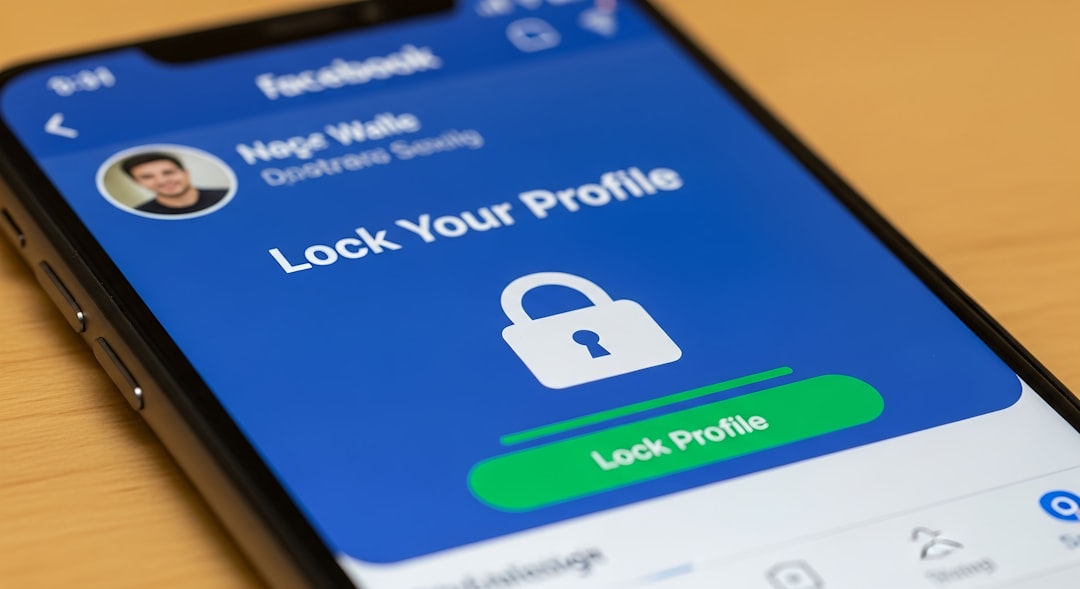
4. Manage Your Social Media Presence
Social media is a double-edged sword. While it allows us to connect with friends and family, it often exposes us to data capture. Most people get this wrong by oversharing—posting photos, locations, and personal details without a second thought. Consider these steps:
- Check your privacy settings.
- Think twice before sharing personal information.
- Regularly review your friend lists and remove those you no longer interact with.
5. Utilize Privacy Tools
Technology can either threaten your privacy or protect it. Invest in privacy tools designed to shield your data. Here are some essential tools I recommend:
- VPN Services: Conceals your IP address and encrypts your internet connection.
- Ad Blockers: Reduces tracking by blocking advertising scripts on web pages.
- Privacy-Focused Browsers: Consider using browsers like Brave or Firefox that prioritize user privacy.
The Role of Data Protection Methods
It’s important to understand that data protection methods can vary widely. Some are designed for individual users while others cater to businesses. Here are common methods that can help anyone looking to enhance their online security:
6. Regular Software Updates
While it might seem tedious, keeping your software up to date is crucial. Often, these updates include security patches that fix vulnerabilities. Many people don’t realize how much danger they put themselves in by ignoring those prompts to update. Stay ahead of threats by being proactive.
7. Monitor Your Accounts
Regularly check your bank and credit accounts for any suspicious activity. It’s also wise to monitor your social media and email accounts for changes you didn’t make. Most email providers offer alerts when there’s a login from an unusual location. Participating in proactive monitoring helps you catch issues before they snowball into more significant problems.
How to Handle Data Breaches
At times, even if you take every precaution, breaches do happen. It’s vital to know how to respond. Here’s what to do if you’re a victim of a data breach:
- Change your passwords immediately.
- Monitor your financial statements for unauthorized transactions.
- Consider identity theft protection services to keep an eye on your credit.
- Notify the affected companies. For instance, if your email is hacked, inform your contacts not to trust suspicious messages from your account.
Future-Proofing Your Online Privacy
As technology evolves, so do the methods of data collection. It’s vital to remain vigilant and adapt your privacy practices accordingly. Here are some emerging areas to be aware of:
- IoT Devices: The Internet of Things can collect vast amounts of data. Make sure to secure these devices.
- Biometric Data: Fingerprints and facial recognition technologies are becoming common. Always question how your biometric data is stored and used.
Conclusion
Understanding how to protect your privacy online is more important than it’s ever been. By adopting straightforward habits and utilizing effective privacy tools, you can take significant steps towards securing your data. The internet doesn’t have to be a place where you feel exposed. With the right knowledge and tools, you can browse with confidence.
Remember, the ultimate goal is control. You should be the one calling the shots when it comes to your data. Don’t wait until something happens. Start today by evaluating your online presence and making the necessary adjustments.