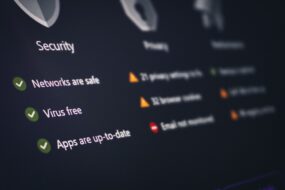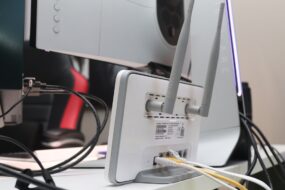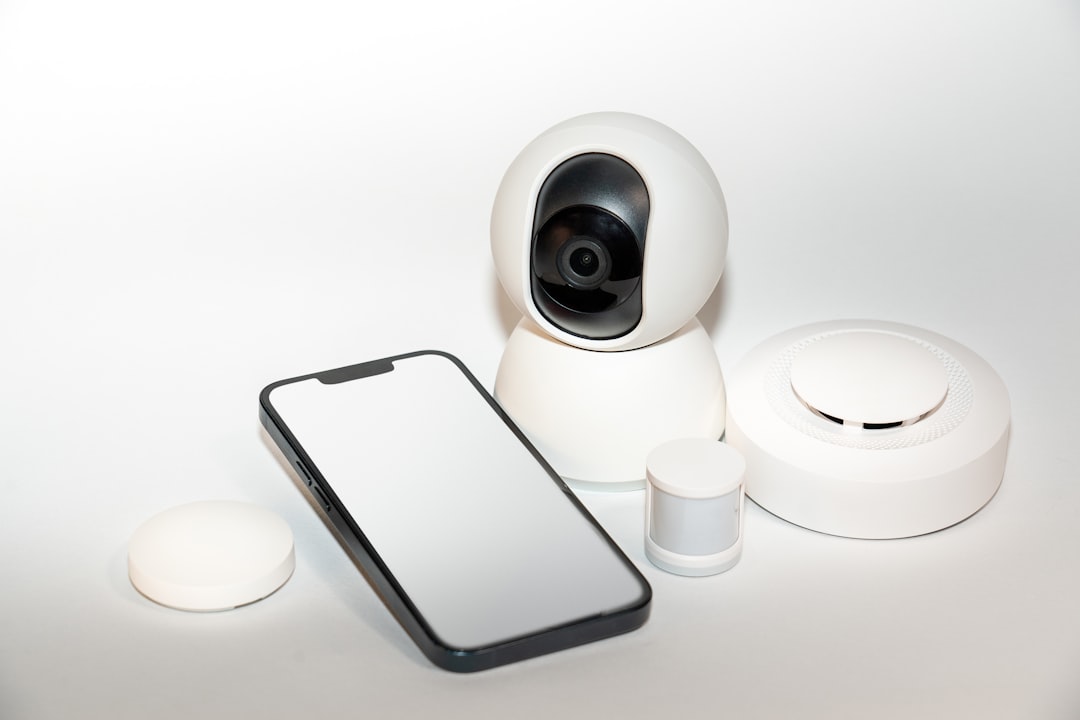
Imagine walking into your home, and all the lights turn on just the way you like them. Your thermostat adjusts to the perfect temperature, and your favorite music starts playing. Sounds great, right? That’s the magic of smart home devices. However, with great convenience comes great responsibility—particularly when it comes to security. How can you secure smart home devices effectively? That’s the million-dollar question!
Understanding the Risks of Smart Devices
Before we dive into how to secure your smart home devices effectively, let’s first understand what we’re up against. Smart home devices, through their connection to the internet, create numerous entry points for potential hackers. Here are a few common risks:
- Data Breaches: Personal data like your browsing habits and preferences could be accessed.
- Home Intrusions: Hackers can control your security cameras, locks, and alarms.
- Device Manipulation: Someone could mess with your smart thermostat or lights, causing inconveniences or even safety hazards.
In my experience, most people overlook these risks when they get caught up in the excitement of having a smart home. It’s essential to acknowledge these vulnerabilities before diving into security measures.
Change Default Passwords
This might seem basic, but you’ll be surprised how many people ignore it. Every single smart device you bring into your home typically comes with a default password—one that’s often easy to guess or well-documented online. To secure smart home devices effectively, it’s crucial to change these default passwords as soon as possible.
Choose a unique password that combines letters, numbers, and symbols. Make it at least 12 characters long. Don’t worry; you don’t have to remember all these passwords if you use a password manager. In my experience, implementing this one tip can significantly boost your home’s security.
Keep Your Software Updated
Just like your smartphones and computers, smart devices receive updates to fix bugs and patch security vulnerabilities. Ignoring these updates is like leaving the front door to your house wide open; it’s inviting trouble. Make a habit of checking for firmware updates regularly for all your devices.
Some devices can be set to update automatically, while others might require manual checks. For instance, smart speakers might prompt you when an update is available. Pay attention to these notifications—it’s a small but vital part of protecting your smart devices.
Use Two-Factor Authentication (2FA)
Two-factor authentication adds an extra layer of security, and it’s a must-have for protecting smart devices. With 2FA, even if someone manages to get hold of your password, they won’t be able to access your devices without the second factor—usually a code sent to your smartphone.
Most major smart home platforms offer this feature. Take the minute it requires to set it up; it’s totally worth it. In fact, I believe that 2FA is one of the simplest yet most effective methods to safeguard your smart home against intruders.
Network Segmentation
This might sound complicated, but it’s simpler than it seems. The idea behind network segmentation is to create separate networks for your smart home devices and your main computing devices. This way, if hackers do breach the network connected to your smart devices, they won’t have access to your computer, smartphone, or any sensitive data.
Many modern routers allow you to set up guest networks or VLANs. Take advantage of this feature. By doing this, you’re effectively isolating your devices, making it much tougher for malicious actors to infiltrate your home’s main network.
Enable Firewall Protection
Your internet router likely has a built-in firewall designed to protect your network from unauthorized access. Ensure that this feature is enabled. Additionally, you can use third-party firewalls specifically designed for IoT device security. These are handy in detecting and blocking suspicious activities.
By enhancing your firewall settings, you’re adding another layer to secure smart home devices effectively. It’s simple but often overlooked.
Be Cautious with Voice Assistants
Voice assistants are incredibly handy, but they can also be insecure if not configured properly. Many people don’t realize that these devices are always listening for their wake words. This can lead to privacy invasions if hackers manage to gain access.
To protect smart devices that listen and respond to voice commands, regularly review the access permissions on these devices. Make sure you’re aware of what data they’re collecting and how it’s being used. If something seems fishy, don’t hesitate to disable functionalities that make you uncomfortable.
Educate Yourself and Your Family
One of the most critical aspects of securing your smart home is education. It’s essential that everyone in your household understands the risks that come with smart devices. Take the time to explain the significance of security measures like strong passwords and updates.
In my experience, I’ve found that family discussions about technology and security can foster an environment of caution and awareness. Everyone plays a role in keeping your home secure. Make it a group effort!
Final Thoughts on Smart Home Security
Securing smart home devices effectively doesn’t have to be overwhelming. By implementing the tips outlined in this post, you can protect smart devices and enjoy the benefits without constantly worrying about security threats. Remember, the more proactive you are in dealing with smart home security, the less you have to be reactive in the event of a security breach.
With high convenience comes the need for vigilance. The risks are real, but they can be minimized with some smart planning and simple actions. Don’t wait until it’s too late—start taking steps toward a more secure smart home today!