Imagine walking into your home after a long day, your smart lights turn on automatically, the thermostat adjusts to your preferred temperature, and your favorite music starts playing—all thanks to your smart home devices working in harmony. This might sound like a dream come true, but as convenient as these gadgets are, they also bring a set of concerns. If you don’t secure smart home devices properly, you could be opening the door to a host of vulnerabilities. So, how do you ensure your modern oasis doesn’t become a tech nightmare?
The Importance of Smart Home Security
Smart home security is more than just a buzzword—it’s essential for keeping your digital life safe. A lot of people don’t realize that many smart devices are typically less secure than traditional home appliances. They can be exploited by hackers, risking not only your personal data but also your home’s safety. In my experience, it’s not just about what device you choose; it’s about how you manage the security of those devices.
Understanding IoT Risks
The Internet of Things (IoT) has transformed how we interact with our homes, but it also introduces several risks. When you secure smart home devices, you’re essentially addressing these risks. Each device connected to your home network can be a gateway for cybercriminals if not properly secured. From smart locks to security cameras, every gadget needs a vigilant approach to security.
Common Vulnerabilities
- Weak Passwords: One of the biggest mistakes is sticking with default passwords. These are often easy targets for hackers.
- Outdated Firmware: Many people forget to regularly update their devices, leaving vulnerabilities unpatched.
- Insecure Connections: Not using a secure Wi-Fi network or failing to enable encryption can expose your devices to attacks.
Here’s what most people get wrong: they assume security features are automatically functioning without any setting adjustments. This isn’t the case—most require some manual tweaking to fully secure smart home devices.
Best Practices for Securing Smart Home Devices
So how can you better secure your smart home? Here are some key practices that can help fortify your defenses:
1. Change Default Credentials
Your first line of defense should be changing any default usernames and passwords. Many manufacturers use easy-to-guess credentials for device access, which makes it simple for hackers to gain entry. Create strong, unique passwords that combine letters, numbers, and special characters.
2. Use Two-Factor Authentication
If your smart devices offer two-factor authentication (2FA), you should absolutely take advantage of it. This adds an additional layer of security by requiring a second verification step, typically through a code sent to your mobile device. It’s an extra hurdle that can deter unauthorized access.
3. Update Regularly
Just as you update your phone or computer, your smart devices also need regular updates. These updates often contain security patches that protect against new vulnerabilities. Make it a habit to check for firmware updates monthly, even if you don’t receive a notification.
4. Secure Your Wi-Fi Network
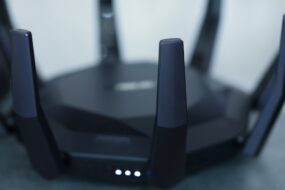
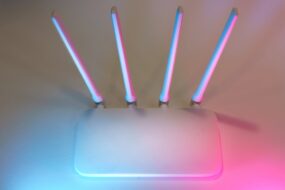
Your Wi-Fi network is the backbone of your smart home. Ensure it’s secure by using WPA3 encryption, which is the latest standard for wireless security. Change your router’s default username and password, and consider hiding your SSID so it’s not visible to outsiders. In my opinion, investing in a good router with built-in security features can make a significant difference in home automation safety.
5. Segment Your Network
If you have multiple smart home devices, consider creating a separate network for them. This means even if one device gets compromised, others are less likely to be affected. Many modern routers allow you to set up guest networks, which can be a practical solution for keeping your devices organized and secure.
Smart Home Device Management
Managing your devices is crucial for maintaining security. This doesn’t just mean locking down settings but also being selective about which devices you allow into your home network.
Device Selection and Compatibility
When purchasing new smart home devices, do your research. Not all devices offer the same level of security, so it’s wise to read reviews and check if the manufacturer regularly releases updates. Additionally, ensure that your devices are compatible with each other to simplify management and enhance security.
Monitor Your Devices
Set aside time to regularly review which devices are connected to your network. If you notice unfamiliar devices, take action immediately to secure your network and your personal information. Many routers offer apps that allow for easy monitoring, making it simpler to manage multiple devices at a glance.
Utilizing Security Features Effective
Some smart devices come with built-in security features that can aid in securing smart home devices. These features can vary by manufacturer and device type, so it’s crucial to familiarize yourself with what each one offers. Here’s how to make the most of these options:
Security Cameras and Motion Alerts
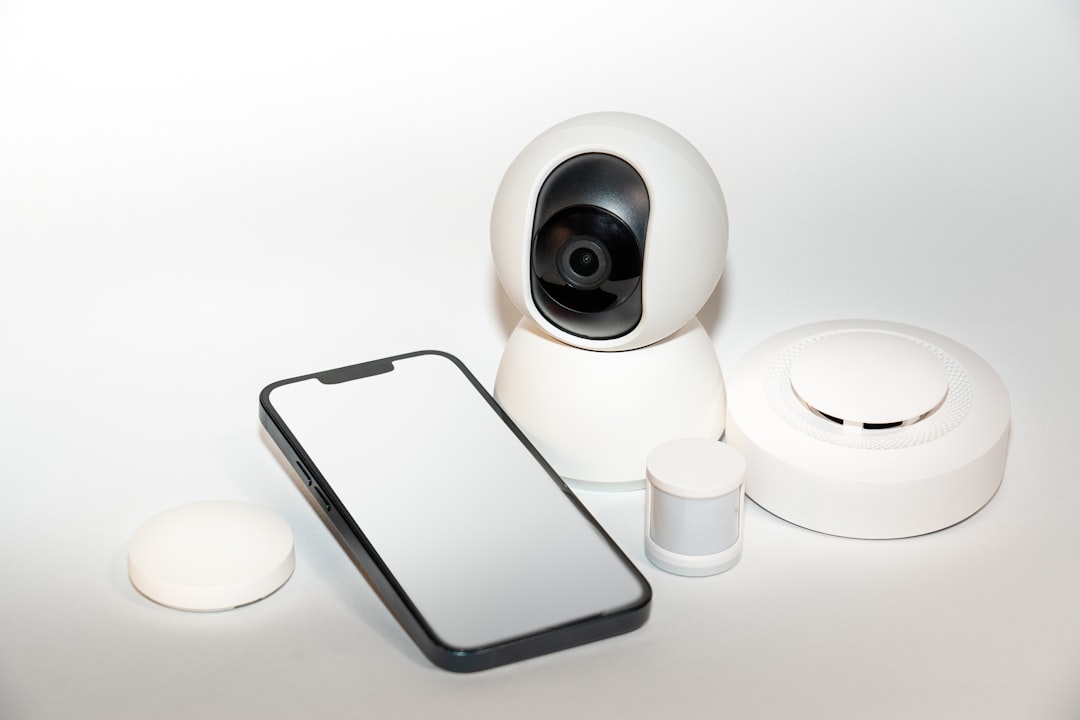
Investing in smart security cameras can be a game-changer. Make sure to set up motion alerts and review footage regularly. This not only keeps you informed about potential security issues but also deters potential intruders. Some cameras even allow you to view a live feed, giving you peace of mind.
Smart Doorbells
Smart doorbells offer a dual layer of protection by allowing you to see and communicate with visitors remotely. Utilize the two-way audio feature and don’t hesitate to remind visitors to check in with you before entering. This small step can further enhance home automation safety.
Educate Your Household
It’s one thing for you to be security-conscious, but what about the rest of your family? It’s essential to educate everyone in your household about the importance of smart home security.
Establish a Security Routine
Encourage family members to follow best practices for securing smart home devices. This can be as simple as reminding them not to click on suspicious links or download unverified apps. Regular discussion can help keep everyone on the same page and maintain a higher level of security.
Final Thoughts
Securing smart home devices may feel daunting, but it doesn’t have to be. By adopting good habits, educating yourself and your family, and regularly monitoring your devices, you can enjoy the conveniences of home automation while keeping your digital life safe. It’s a worthwhile investment of time and effort that can safeguard your home now and in the future.
After all, a smart home should enhance your life, not complicate it. With the right precautions in place, you can enjoy all the benefits of smart technology while keeping your home secure.