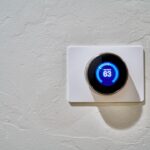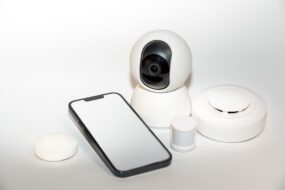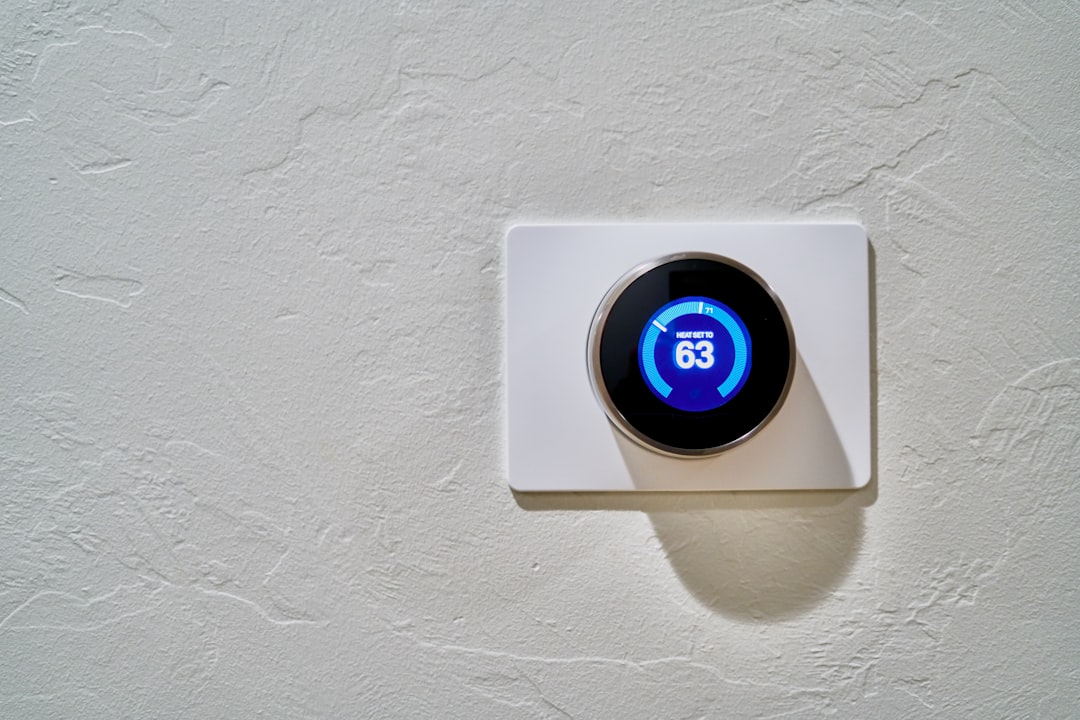
Imagine walking into your home after a long day, and your lights automatically turn on, your thermostat adjusts to your preferred temperature, and your favorite music begins to play. Sounds amazing, right? That’s the beauty of a smart home. But with all that convenience, there’s a shadow lurking—concerns over smart home security. With more devices connected to the internet than ever before, the question arises: how can you secure your smart home devices effectively?
Understanding the Risks
Before diving into solutions, it’s vital to understand the risks tied to smart home devices. These gadgets are inherently more vulnerable than traditional ones because they rely on a constant internet connection. Your smart camera, thermostat, or door lock could be a target for hackers if proper precautions aren’t taken.
In my experience, many people underestimate these risks. They think, “It won’t happen to me,” but just like with a car or personal belongings, protection is essential. Each device you add to your home creates a new entry point for potential cyber intruders, making it crucial to understand how to protect smart devices.
Change Default Passwords
One of the first steps to secure your smart home devices is to change the default passwords. Most devices come with easily guessable passwords, and many users don’t bother to modify them. This is a major vulnerability. According to a study by cybersecurity firms, nearly 80% of data breaches occur due to weak or stolen passwords.
- Create complex passwords: Use a mix of letters, numbers, and special characters.
- Avoid common choices: Don’t use obvious passwords like “123456” or “password.”
- Use a password manager: This can help you generate and store strong passwords securely.
Keep Software Updated
Just like your smartphone or computer, smart home devices need regular updates to patch vulnerabilities. Manufacturers often release updates to fix known bugs or security holes. It’s easy to ignore these notifications, but doing so can leave your devices exposed.
Most people miss this point. They think of updates as annoyances, yet keeping all software current is one of the easiest and most effective ways to enhance home automation security. Whenever your device prompts you for an update, accept it!
Use Two-Factor Authentication (2FA)
Enabling two-factor authentication on your smart home devices is another effective way to increase your security. This extra layer of protection means that even if someone manages to guess your password, they won’t gain access without a secondary method of verification, like a code sent to your phone.
Most smart home app developers are incorporating this feature. In fact, it’s becoming standard practice. If a device or app offers 2FA, take advantage of it. Here’s what most people get wrong: they think it’s too much hassle, but the peace of mind it offers is worth it.
Secure Your Wi-Fi Network
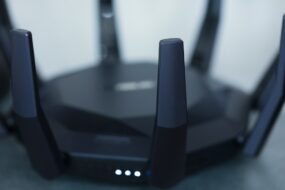
Everything in your smart home communicates over your Wi-Fi network, making it a critical point of vulnerability. If your Wi-Fi is not secure, it’s like leaving the front door wide open. Here are some tips to fortify your Wi-Fi:
- Change the default SSID: Don’t use the manufacturer’s default network name; customize it to something unique.
- Hide your network: Some routers allow you to hide the SSID from public view. It won’t stop a determined hacker, but it can deter casual intrusions.
- Use a strong encryption protocol: Aim for WPA3 if your router supports it; otherwise, WPA2 is better than nothing.
Create a Guest Network
If you often have guests who need access to your Wi-Fi, consider setting up a guest network. This way, you can keep your main network, which connects your smart home devices, isolated from any untrusted guests.
Many people overlook this step. They think it’s easier to give everyone access to their primary network. But if a friend’s device gets compromised, their access to your main network can wreak havoc on your smart home setup. Creating a separate network keeps potential threats at arm’s length.
Monitor Device Activity
Keeping an eye on your smart home devices is essential. Regularly check for any unfamiliar activity or unauthorized access. Many smart devices come with apps that allow you to monitor what’s happening on them. Be vigilant; if something looks off, take action immediately.
In my experience, people often forget to check their device activity. They might notice unusual behavior, like a smart light turning on by itself, but brush it off. Keeping track can save you significant trouble in the long run.
Invest in a Smart Home Security System
If you’re serious about protecting your smart home devices, consider investing in a dedicated smart home security system. These systems offer features like real-time alerts, remote monitoring, and professional monitoring services that can provide an extra layer of assurance.
Here’s what many people get wrong: they think security systems are just for high-crime areas or expensive homes. The reality is that they’re becoming increasingly affordable and straightforward to install. A quality security system can help protect your smart devices and your privacy.
Conclusion
Securing your smart home devices doesn’t have to feel overwhelming. By taking these steps seriously and creating a proactive approach to smart home security, you can enjoy the benefits of home automation without the constant worry of cyber threats. Remember, it’s all about changing default passwords, staying updated, using two-factor authentication, securing your Wi-Fi, creating guest networks, monitoring activity, and possibly investing in a dedicated security system.
As you think about how to secure your smart home devices, remember that every small step counts. With awareness and vigilance, you can protect your home, your data, and yourself.