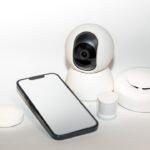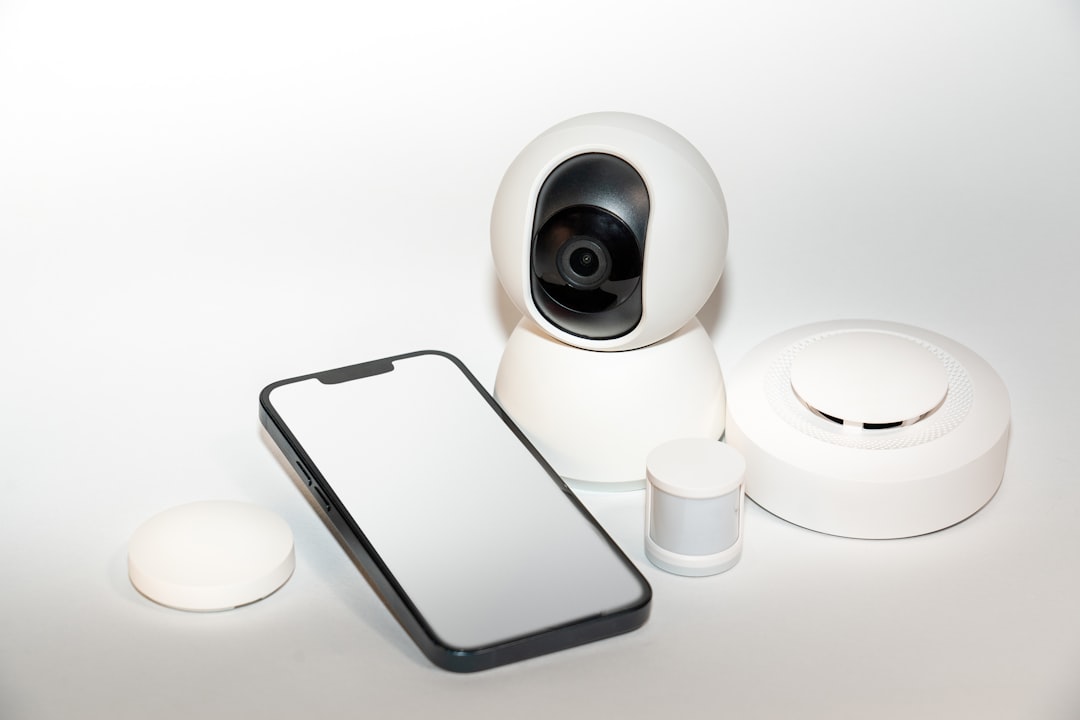
Imagine coming home after a long day, only to find out that someone’s been watching you, playing with your home devices, or even worse—accessing your personal information. It sounds like the plot of a tech thriller, but for many who don’t take precautions, it’s a Real-Life Nightmare. Smart home devices, while incredibly convenient, can also lead to significant security breaches if not protected properly. That’s why it’s essential to know how to secure smart home devices effectively.
Understand the Risks of IoT Devices
Internet of Things (IoT) devices have infiltrated our lives, from smart speakers and thermostats to security cameras and door locks. Each of these devices connects to the internet and collects data, which can put your privacy at risk. One of the most common issues is that many users overlook the vulnerabilities associated with these devices.
In my experience, people tend to underestimate how easily a hacker can exploit network vulnerabilities. You might think only high-tech criminals can break into your system, but that’s not the case. Basic security failings like default passwords or outdated software are often the main culprits. Understanding the risks tied to your devices is the first step toward effective smart home security.
Change Default Settings Immediately
The first thing you should do when setting up any new smart home device is to change the default settings. Manufacturers often ship devices with default usernames and passwords that are well-known, making them easy targets for hackers.
- Change Passwords: Instead of “admin” or “123456,” create a strong password that combines letters, numbers, and symbols.
- Unique Usernames: Try to use a non-identifiable username instead of the default one.
This simple change can help secure smart home devices effectively, but it’s just the beginning.
Keep Software Updated
Software updates often come with bug fixes and new security patches. Many people ignore those notifications because they find them annoying, but ignoring updates can compromise your device’s security.
Set your devices to update automatically if possible. In the rare cases where automatic updating isn’t an option, make it a habit to check for updates every month. Most manufacturers will post change logs on their websites, so you’ll know what has been fixed or improved.
Segment Your Network
When you have multiple smart devices connected to your home network, they may be vulnerable to attacks that originate from any one of them. A great way to mitigate this risk is by segmenting your network.
That simply means creating separate networks for different types of devices. For example, keep your smart fridge on one network and your smart camera on another. This approach ensures that if one device is compromised, your entire network isn’t completely at risk. Should issues arise, you won’t find every aspect of your smart home security compromised in one shot.
Use a VPN for Added Privacy
Virtual Private Networks (VPNs) aren’t just for hiding your online activities anymore; they can also provide an additional layer of security for your smart home. When you use a VPN, your data is encrypted, making it more challenging for hackers to intercept your information.
Setting up a VPN might sound complicated, but many routers come with built-in VPN support. This means you can secure all devices on your network, allowing you to access them securely without fearing tampering. In my experience, using a VPN has increased my peace of mind significantly.
Educate Everyone in Your Home
Even the best security measures can fall flat if the people in your home aren’t educated about smart home safety. Talk to your family about the risks and steps they can take to help protect your devices.
- Don’t Share Passwords: Ensure everyone understands not to share passwords with anyone.
- Avoid Public Wi-Fi: Make sure everyone knows never to connect to public Wi-Fi when managing your smart devices.
- Identify Phishing Attempts: Teach them how to recognize phishing emails or messages that could compromise your system.
Effective security isn’t just a tech issue; it’s a communal effort. The more informed everyone is, the harder it’ll be for anyone to breach your defenses.
Choose Secure Smart Home Devices Wisely
Not all smart devices are created equal, and some significantly lag behind in terms of security. Before purchasing, do your homework. Look for devices that have solid reviews focusing on security measures.
Brands that prioritize customer data protection, employ encryption technology, and provide regular updates are your best bet. In my experience, it’s always worth paying a bit more for a reputable brand. The peace of mind that comes with secure smart home devices effectively justifies the extra expense.
Your Ultimate Checklist for Secure Smart Home Devices
To wrap it up and give you a handy resource, here’s a checklist you can follow to ensure your smart devices are as secure as they should be:
- Change default usernames and passwords.
- Keep the software updated.
- Segment your networks if possible.
- Use a VPN for added security.
- Educate your family members about smart home safety.
- Choose reputable brands when buying devices.
Keeping your home connected doesn’t have to mean putting your privacy and safety at risk. By learning how to secure smart home devices effectively, you give yourself a fighting chance against potential intrusions. Don’t wait for a wake-up call! Take these measures now and enjoy your smart home with peace of mind.