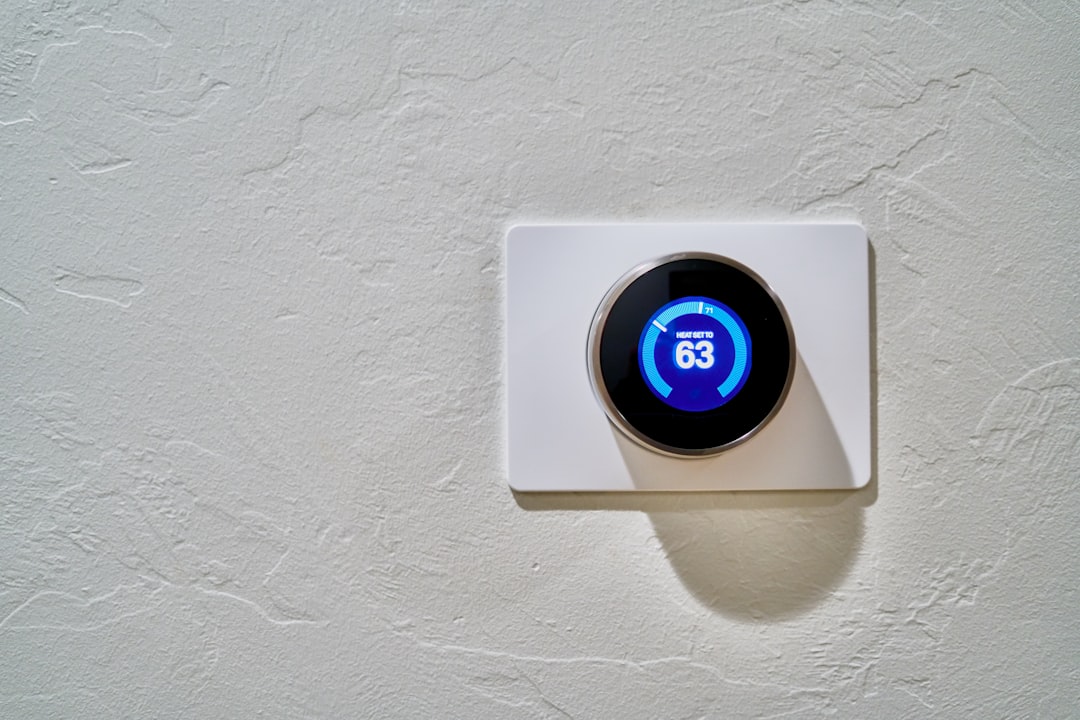
Imagine walking into your home after a long day and having your lights automatically turn on, your thermostat adjust to the perfect temperature, and your favorite music start playing. Sounds dreamy, right? That’s the magic of smart home devices. But while they make our lives easier, they can also make us vulnerable to security breaches if we’re not careful. So, how can you secure your smart home devices effectively? Let’s break it down.
The Importance of Smart Home Security
Smart home devices offer convenience, but this convenience comes with responsibility. As we embrace home automation, it’s crucial to understand the potential risks. According to a report, the number of cyberattacks on smart home devices is on the rise. Each connected device is a potential entry point for hackers. Many people think, “It won’t happen to me,” but here’s the harsh reality: it can and does happen.
In my experience, the first step towards effective smart home security is acknowledging that every device needs protection. This is particularly true for items like smart locks, security cameras, and home assistants that control various aspects of your home.
1. Change Default Passwords
One of the simplest yet most overlooked device protection tips is changing the default passwords of your devices. Manufacturers often use generic passwords like “admin” or “123456,” which are easy targets for hackers.
Make sure you create strong, unique passwords for each device. Include a mix of upper and lower case letters, numbers, and symbols. And, don’t just use the same password across all devices. In my experience, password managers are a great way to keep track of them without needing to remember each one.
2. Keep Software Updated
Most smart home devices receive periodic updates to enhance functionality and security. It’s essential to keep your devices’ firmware and software up to date. When manufacturers discover vulnerabilities in their systems, they release patches to fix these issues. If you ignore these updates, you might be leaving a backdoor open for intruders.
Set reminders or enable automatic updates when possible. This proactive approach can significantly improve your smart home security.
3. Use Two-Factor Authentication
Two-factor authentication (2FA) adds an extra layer of security when accessing your smart home devices. You might think a password is enough, but hackers can easily crack weak passwords. With 2FA, you’ll need another form of verification—like a text message with a code—to access your account.
Here’s what most people get wrong: they overlook activating this feature because it feels like an inconvenience. But in reality, it’s a small step that can make a tremendous difference in protecting your devices.
4. Secure Your Wi-Fi Network
Your smart home devices connect to your Wi-Fi network, which can be a prime target for hackers. To secure your smart home devices, start by securing your Wi-Fi network. Here are some essential tips:
- Change your Wi-Fi password to something strong and unique.
- Enable WPA3 encryption if your router supports it. If not, use WPA2.
- Disable WPS (Wi-Fi Protected Setup) as it can be an easy target.
- Consider hiding your SSID (network name) to make it less visible to outsiders.
By making these changes, you’ll create a more challenging environment for potential intruders.
5. Segment Your Network
For those who have multiple smart devices, network segmentation can significantly enhance your home automation safety. This means creating separate networks for your smart devices, computers, and smartphones. If a hacker gains access to your smart devices, they won’t necessarily have access to your personal devices if they’re on a separate network.
Most modern routers allow you to set up guest networks, which can work perfectly for this purpose. It’s like giving your smart home devices their own private space, away from your more sensitive data.
6. Regularly Review Device Permissions
Many smart devices and apps request permissions, ranging from accessing your location to using your camera. Regularly review these permissions and only allow access to what’s necessary. In my experience, it’s surprising how many permissions we grant out of convenience or habit.
Take the time to assess whether a device really needs access to your home network or personal data. If it doesn’t, deny its permission. For example, does your smart light bulb need to know your location? Probably not.
7. Be Cautious with Third-Party Apps
Many smart home devices have accompanying apps that can add functionality and ease of use. However, be cautious when integrating third-party applications with your devices. While some apps can enhance your experience, others might not have your best interests at heart.
Before downloading, check user reviews and verify the app’s credibility. Stick to official sources or well-known developers whenever possible. This can save you a lot of headaches in the long run.
8. Regularly Audit Your Devices
Last but not least, set a regular schedule to audit your smart home devices. This involves going through your device list, checking for unused or outdated devices, and ensuring they’re still necessary for your lifestyle. You’d be amazed at how many people forget they have devices they no longer use.
Remove any devices that you don’t need or use anymore. Old devices can become security risks if they’re not updated or if you forget about them. Regular audits will keep your smart home in tip-top shape!
Conclusion
Securing your smart home devices is no longer optional; it’s a necessity. By actively taking steps to protect your devices, you can enjoy the convenience of home automation without the constant worry of security breaches. From changing default passwords and setting up two-factor authentication to regularly reviewing your device permissions, each step contributes towards better smart home security.
Ultimately, it’s about being proactive and informed. So, take a moment to assess your current security measures and make any necessary updates. After all, a secured smart home means peace of mind, allowing you to fully enjoy the benefits of living in a high-tech era.