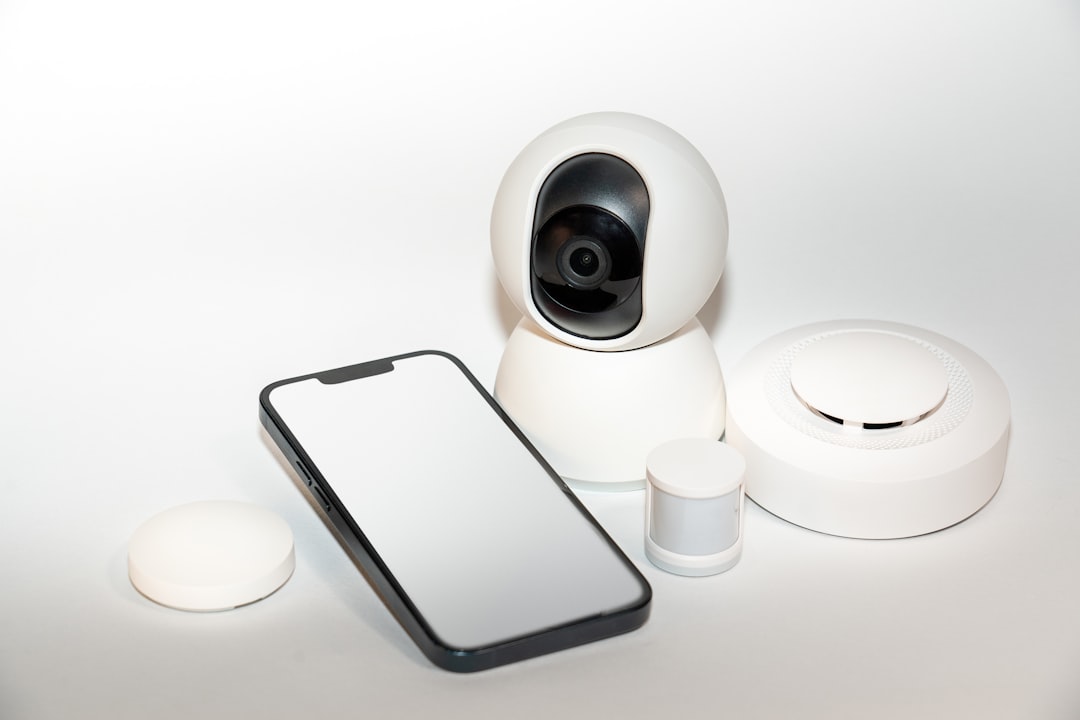
Ever found yourself lying awake at night, wondering if someone could break into your home through a seemingly innocent smart device? It’s a common worry these days, and for a good reason. Smart home devices are convenient, but they can also leave your home vulnerable if not protected properly. So, how can you secure smart home devices effectively and keep your home safe from potential cyber threats? Let’s explore this together.
Understanding the Risks of Smart Home Devices
First off, it’s crucial to understand that every device connected to the internet is a potential entry point for hackers. You might think your smart thermostat or light bulb is harmless, but these Internet of Things (IoT) devices can be exploited to gain access to your home network. In my experience, many people underestimate how easily hackers can slip through the cracks. Once they’re in, they can disrupt your everyday life, steal your personal information, or even access other devices connected to your home network.
Smart Home Security Tips You Can’t Ignore
So, how do you secure smart home devices effectively? Here are some essential tips that should be on your radar:
- Change Default Passwords: Most devices come with default usernames and passwords. These are often easy for hackers to guess, so it’s the first step you should take. Use strong, unique passwords instead.
- Enable Two-Factor Authentication: Whenever possible, turn on two-factor authentication (2FA). This adds an extra layer of security, making it harder for unauthorized users to access your devices.
- Regularly Update Firmware: Manufacturers often release updates to fix security vulnerabilities. Make it a habit to check for updates regularly or enable automatic upgrades if possible.
- Segment Your Network: Create a separate network for your smart devices that isolates them from your main network. This way, if one device is breached, your sensitive data and primary devices remain protected.
The Importance of Home Network Safety
While smart devices can be riddled with vulnerabilities, the foundation of your security lies in your home network. A strong home network can make all the difference. Consider the following:
- Use a Strong Wi-Fi Password: A simple “password123” isn’t enough. Create a long password that contains a mix of letters, numbers, and symbols. This basic step can do wonders in keeping intruders out.
- Enable Network Encryption: Use WPA3 encryption, if available, to secure your Wi-Fi connection. This helps in protecting your data as it travels across the network.
- Disable WPS: Wi-Fi Protected Setup (WPS) can make it easier to connect devices, but it also opens a backdoor for hackers. Turn this feature off to secure your network.
IoT Device Protection: What Most People Get Wrong
Many homeowners think that buying an expensive smart device means it’s secure. That’s a huge misconception. The reality is, even the most high-end devices can have security flaws. Here’s what most people get wrong about IoT device protection:
- Neglecting to Research Brands: Not all brands prioritize security. Before purchasing, read up on the company’s reputation for protecting user data and fixing vulnerabilities.
- Ignoring Device Settings: Many people overlook the device settings where security features may be available. Spend a few minutes tweaking settings; it could pay off in the long run.
- Overlooking End-of-Life Policies: Some devices become obsolete over time and may not receive security updates. Check if the manufacturer has a plan for what happens when the device reaches end of life.
Developing Smart Device Habits
Securing smart home devices effectively isn’t just a one-time task; it’s about developing good habits. Here’s a roundup of some daily and monthly practices:
- Daily: Check your apps and devices for any unusual activity or unauthorized access. If something seems off, investigate immediately.
- Monthly: Review your device list regularly. If you notice devices you no longer use, consider removing them. The fewer devices you have, the smaller your attack surface.
What to Do If You Suspect a Breach
Even with the best precautions, breaches can still happen. If you suspect that a device has been compromised, follow these steps:
- Disconnect the Device: If you think an IoT device is acting strangely, disconnect it from your network immediately.
- Change Passwords: Change the passwords not only for the breached device but also for your Wi-Fi and other connected accounts.
- Contact Customer Support: Reach out to the device manufacturer for guidance on securing the device and any potential fixes.
Using Security Software
Another layer you can add for securing smart home devices effectively is investing in security software. Here’s why it’s advantageous:
- Antivirus and Anti-Malware Tools: Some security suites offer features specifically for IoT and smart home devices. These can help identify vulnerabilities and provide alerts.
- Network Monitoring Tools: Tools that monitor network traffic can alert you to any suspicious activity, giving you a chance to act quickly.
Staying Educated and Informed
Finally, keeping yourself informed about the latest security threats is essential for securing your smart home devices effectively. Follow tech news, join online forums, and engage with communities focused on security. Knowledge can be your best defense. Also, consider attending local workshops or webinars that focus on tech and security. You might find that sharing experiences with others will better prepare you against common pitfalls.
In summary, the convenience of smart home devices shouldn’t come at the cost of your security. By implementing a mix of strong passwords, regular updates, network safety measures, and ongoing education, you can thrive in a connected world without fear. The task of securing your devices may seem daunting, but taking it step by step can turn your home into a bastion of safety in this digital age.