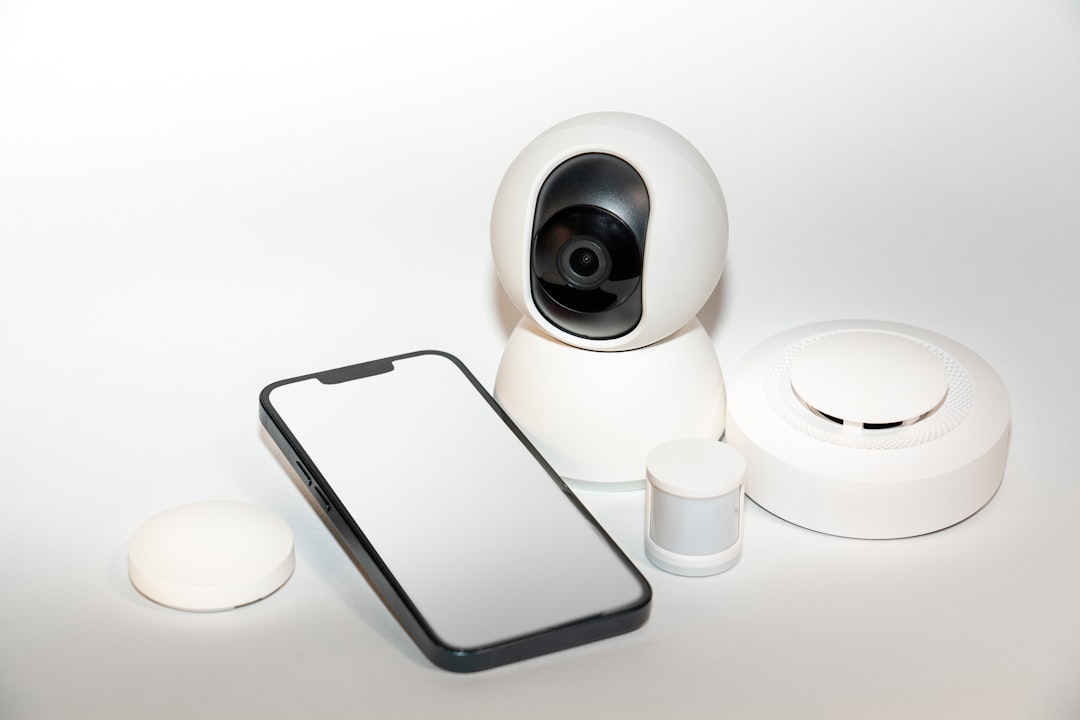
Picture this: you’re curled up on the couch with a good book when suddenly your smart speaker starts playing music on its own. You look over and see the lights dimmed, almost as if the house is alive. This is the magic of smart home technology, but with great convenience comes great responsibility. The question is: how can you secure your smart home devices effectively?
Understanding the Risks of Smart Home Devices
Before diving into the various ways to secure smart home devices effectively, it’s essential to understand the risks involved. Smart devices communicate via the internet, making them vulnerable to hacking and unwanted access. Common threats include:
- Unauthorized access: Hackers can gain control of your devices, leading to privacy breaches.
- Data theft: Your personal information can be stolen if the device isn’t secured.
- Malware and viruses: Some devices can be infected with malicious software that could affect their performance.
In my experience, many people examine the convenience of smart home technology but overlook possible security issues. By understanding these risks, you’re already one step closer to protecting your home and its contents.
Change Default Credentials
It might sound simple, but one of the most effective ways to secure smart home devices effectively is to change default usernames and passwords. Manufacturers often use factory-set passwords that are easy to find online, making it a breeze for hackers to breach your security.
Make sure to:
- Choose a strong password: Use a mix of upper and lower case letters, numbers, and special characters.
- Don’t use easily guessable information: Avoid birthdays or names. Instead, opt for something unique and complex.
- Change passwords regularly: Even a strong password can become weak over time. Update it every few months.
Enable Two-Factor Authentication
Two-factor authentication (2FA) adds an extra layer of protection. It’s like needing a key to enter a building and then another key to access specific rooms. Here’s how it works: in addition to entering your password, you’ll need to verify your identity with a second method, such as a code sent to your phone.
While it can feel like an extra step, enabling 2FA on your smart devices is a crucial part of protecting smart devices. Here’s what most people get wrong: they think this measure is unnecessary. In reality, it can deter unwanted access, making it much harder for hackers to get into your system.
Network Security: Your First Line of Defense
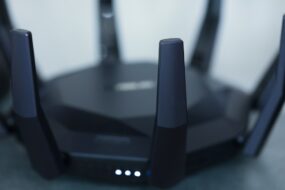
Think of your Wi-Fi network as the gateway to your smart home devices. If it’s weak, your entire system is at risk. Secure your Wi-Fi by:
- Changing the default Wi-Fi name: Use a less recognizable SSID to keep prying eyes away.
- Enabling WPA3 encryption: This is one of the latest and most secure forms of Wi-Fi protection.
- Disabling WPS: Wi-Fi Protected Setup might be convenient, but it can also be an easy target for hackers.
Many folks forget that their Wi-Fi router is just as important as the smart devices it’s connecting. You wouldn’t leave your front door unlocked; why leave your digital door wide open?
Segmenting Your Smart Home Devices
Segmenting your network is like having different rooms in your house. You wouldn’t let just anyone into your bedroom, right? Creating separate networks for your smart devices can significantly reduce the risk of cross-contamination in case one device gets hacked.
Follow these steps to segment your devices:
- Set up a guest network: Use this for devices like smart speakers or cameras.
- Isolate critical devices: Keep your smart thermostat and security cameras on another secure network where they can be monitored more closely.
This segregation makes it harder for hackers to access your more sensitive devices through less secure ones.
Keep Firmware and Software Updated
It can be a hassle to check for updates for all your smart devices, but it’s a crucial part of protecting smart devices effectively. Manufacturers often release updates to patch vulnerabilities or improve security measures.
Here’s what to do:
- Enable automatic updates: Most devices have options for this, ensuring you receive the latest security patches without needing to update manually.
- Regularly check for updates: Don’t rely solely on automatic updates. It’s a good habit to check regularly, especially if you hear of any vulnerabilities related to specific devices.
Letting your software become outdated could be the Achilles’ heel for your entire home automation security.
Monitor Your Devices Regularly
Just like you’d regularly check your home for suspicious activity, monitoring your smart devices is crucial. Look for any unusual behavior, such as unfamiliar devices on your network or devices acting strangely.
- Review logs: Many smart devices have logs that can show access history and activities.
- Check connected devices: If you notice any devices you don’t recognize, it’s essential to investigate further.
In my experiences as a tech enthusiast, I can’t stress enough how vital it is to stay vigilant. You don’t have to check your devices every day, but a periodic review can go a long way in preventing a breach.
Teaching Family and Household Members About Security
Your household members play a significant role in keeping your smart home secure. If everyone in your home is aware of, and actively participates in, the necessary security measures, you can create a much safer environment. Here’s how:
- Educate others about phishing attempts: Let everyone know to be careful about clicking links or providing information when they’re unsure.
- Explain device functionalities: Ensure that household members understand how devices interact and the importance of keeping them secure.
Creating a culture of security within your home can protect against potential attacks and breaches.
Final Thoughts
With the right knowledge and skills, securing smart home devices effectively doesn’t have to be an overwhelming task. Taking the time to implement these tips can go a long way in keeping your home safe.
Remember, you can’t rely solely on technology. It’s a combination of strong passwords, network security, regular updates, and awareness that creates a safe smart home environment. After all, your home is your sanctuary—let’s keep it that way.