Imagine this: You’re comfortably lounging on your couch, streaming your favorite series on a Sunday afternoon, when suddenly, the signal drops. Frustrating, right? Now imagine that your neighbor, who you forgot to invite to your Wi-Fi party, is the cause of that signal drop because they’ve been mooching off your connection without your knowledge. This isn’t just annoying; it can also put your private data at risk. That’s why it’s crucial to know the best practices for securing your home Wi-Fi network.
Why Home Wi-Fi Security Matters
We rely on our Wi-Fi for almost everything these days: work, school, streaming, gaming, and managing smart home devices. With so much sensitive data flowing through your network, letting it become vulnerable is asking for trouble. It’s not just about keeping the internet connection fast; it’s about safeguarding your personal information.
Many people underestimate the importance of home Wi-Fi security. In my experience, the first step to a secure home network is often the most overlooked—understanding your network setup and its potential vulnerabilities.
Understanding Your Home Network
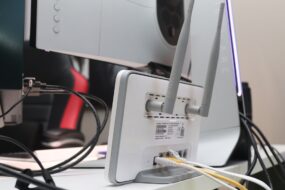
Before diving into home Wi-Fi security tips, it’s essential to grasp how your home network operates. Most homes have a router that serves as a gateway between your devices and the internet. This device is crucial as it can be a weak link if not appropriately configured.
Here’s a quick rundown of the elements connected to your network:
- Router: The central hub for your home Wi-Fi.
- Devices: Everything from smartphones and laptops to smart TVs and security cameras.
- Internet Service Provider (ISP): The company that connects your home to the internet.
When one of these elements is compromised, it can lead to unauthorized access, poor performance, and even cyber-attacks.
1. Change Default Login Credentials
One of the first things you should do to secure your Wi-Fi is to change the default usernames and passwords for your router. Many people don’t know that often, these credentials can be found easily online. Hackers know them by heart.
Make your login details unique. Here’s a strong practice: Create a password that’s at least 12 characters long, includes a mix of uppercase and lowercase letters, numbers, and special characters.
2. Set a Strong Wi-Fi Password
You’ve probably heard this one before, but it’s essential: use a strong Wi-Fi password. This isn’t just any password; it’s a protective barrier that keeps prying eyes away from your network. When it comes to wifi password protection, make sure it’s not easy to guess (like “12345678” or your dog’s name).
Here are some tips for creating a strong password:
- Avoid common words or easily guessed information.
- Use a passphrase, which can be a mix of unrelated words.
- Consider a password manager to keep track of different passwords.
3. Enable WPA3 Encryption
Encryption is another critical aspect of securing your home Wi-Fi network. WPA2 was the gold standard for a long time, but WPA3 is the new top dog. If your router supports it, switch to WPA3 for added protection against unauthorized access.
To change your encryption settings, log into your router’s settings and find the security settings. From here, you can choose the best encryption available. This step will help protect your data as it travels over the wireless link.
4. Update Router Firmware Regularly
Just like your devices need updates, so does your router. Manufacturers release firmware updates to fix known vulnerabilities. Here’s what most people get wrong: they ignore these updates and think their network is secure.
Check regularly for firmware updates, and set your router to automatically update if possible. Keeping your firmware current is a simple yet effective way to boost your home Wi-Fi security.
5. Disable WPS and UPnP
Wi-Fi Protected Setup (WPS) and Universal Plug and Play (UPnP) might seem convenient, but they can pose serious security risks. WPS allows users to connect devices easily but has known vulnerabilities that hackers can exploit. Similarly, UPnP can allow malicious software to manipulate devices on your network.
To secure your Wi-Fi, it’s advisable to disable these features in your router settings. Although it might take a little longer to connect new devices, your network will be much safer in the long run.
6. Monitor Connected Devices
Ever wonder which devices are connected to your network? Keeping an eye on your connected devices can help you spot any unauthorized access quickly. Most modern routers come with an interface that lets you see all the devices on your network.
If you spot something suspicious, don’t hesitate to kick that device off your network and change your Wi-Fi password immediately. This is one of those home Wi-Fi security tips that’s straightforward but can save you a lot of headaches.
7. Implement Network Segmentation
For those serious about securing their home Wi-Fi network, consider creating guest networks for visitors or smart devices. By segmenting your network, you limit what each device can access. For instance, if your security camera is compromised on a guest network, your primary network remains secure.
This step can feel a bit technical, but most modern routers offer easy options for setting up guest networks. It’s worth the extra effort for the enhanced security.
8. Use a VPN
Last but not least, consider using a Virtual Private Network (VPN) on your devices, especially if you often access public Wi-Fi networks. While this doesn’t directly affect your home network’s security, it does add an extra layer of protection for your data, especially when browsing online.
A VPN encrypts your internet traffic, making it far harder for anyone to intercept and misuse your data. It’s one of the best practices for those who regularly work remotely or access sensitive information online.
Conclusion
Securing your home Wi-Fi network doesn’t have to be overwhelming. By following these best practices for securing your home Wi-Fi network, you can significantly reduce the chances of unauthorized access and maintain your privacy online. From changing default settings to keeping an eye on connected devices, each step contributes to a more secure and stable internet experience.
Next time you enjoy your binge-watching session or video call with friends, you can do so with confidence, knowing that you’ve put in the effort to protect your network. Don’t wait until it’s too late—take action today!