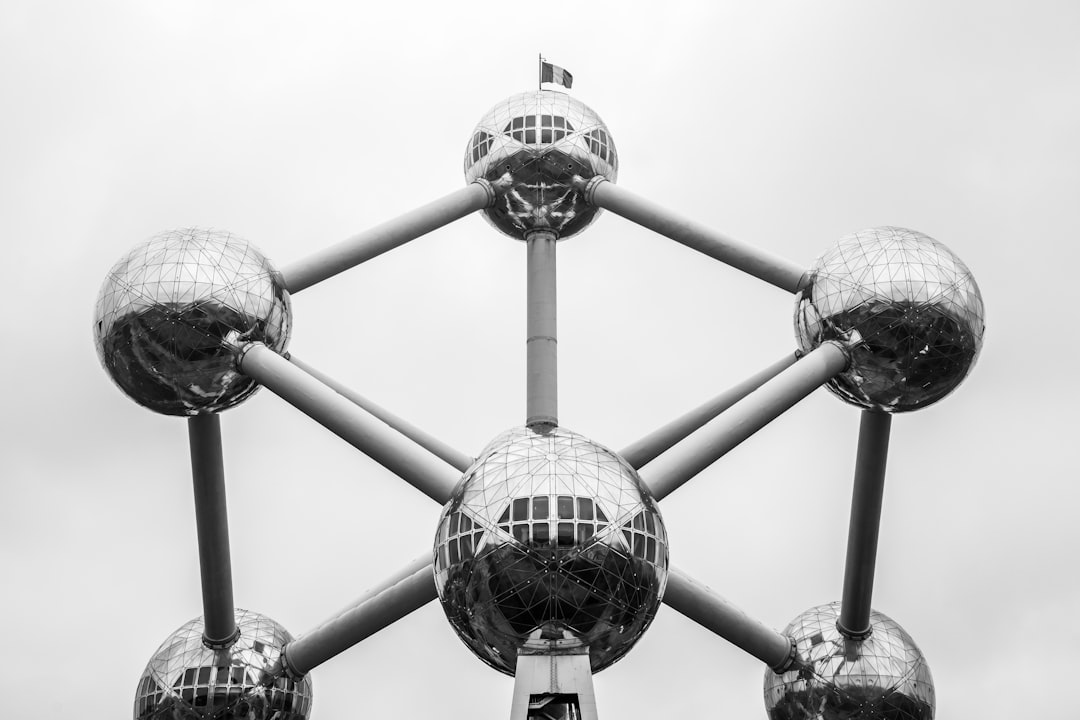
Have you ever dreamed of exploring the charming streets of Paris, the sun-kissed beaches of Barcelona, or the historic landmarks of Rome but felt daunted by the price tags attached? You’re not alone. Many travelers assume that experiencing the wonders of Europe requires deep pockets. But let me tell you: it doesn’t have to be that way. If you know how to travel on a budget in Europe, you can enjoy these incredible destinations without breaking the bank.
The Art of Affordable Travel
When I first set out to explore Europe, I had little more than a tight budget and a burning desire to see the world. My friends warned me that it would be impossible to experience the best Europe has to offer without spending a fortune. However, with a little planning and some budget travel tips up my sleeve, I managed to thrive on my limited funds, and I’d love to share what I’ve learned with you. Here are some essential strategies to travel affordably through Europe.
Timing is Everything
One of the biggest misconceptions about cheap Europe travel is that you need to go in the off-season to save money. While this is often true, it’s not the only option. Traveling during shoulder seasons—those times just before or after the peak tourist influx—can lead to amazing deals on flights, accommodations, and even attractions. For example, visiting Spain in late September or early October offers lovely weather and smaller crowds.
- Spring (March to May): Flower blooms, milder weather, and fewer tourists make this season ideal for budget travel.
- Fall (September to November): Harvest festivals, scenic views, and reduced prices are just a few benefits of traveling in the fall.
Just keep an eye on local events and holidays that might draw larger crowds, and you’ll save money while still enjoying the vibrant atmosphere of each city.
Finding Budget Accommodations
Traditional hotels can eat up your budget quickly. To maximize your funds, consider alternative lodging options. Here’s what I recommend:
- Hostels: These aren’t just for kids. Many offer private rooms at a fraction of the cost of hotels, along with kitchen facilities.
- Vacation Rentals: Websites like Airbnb and Vrbo allow you to rent entire homes or shared spaces, often at competitive prices.
- Bed and Breakfasts: These provide a cozy atmosphere and often include breakfast, giving you a good start to your day without spending extra.
In my experience, staying a bit outside the city center can yield even greater savings. You can take public transport into the heart of the action for a fraction of the cost of downtown accommodations.
Public Transportation: Your Wallet’s Best Friend
When it comes to getting around, public transportation in Europe is often cheaper and more efficient than renting a car or relying on taxis. Trains, buses, and trams are generally well-connected among cities and offer stunning views along the way.
- Train Passes: If you plan to cover several cities, consider getting a Eurail pass. It can save you a ton on intercity travel.
- Local Transport Passes: Cities like Berlin and Madrid offer tourist passes that include unlimited travel along with discounts on attractions.
- Walk: Never underestimate the beauty of walking. Many cities are best explored on foot.
Here’s what most people get wrong: they stick with tourist taxis or skip cities because they think getting around will be hard. But with a little research and using transit apps, you’ll find it’s quite easy and often leads to hidden gems.
Eating Smart
Dining out can be one of the most substantial expenses when traveling. But you don’t need a Michelin-star restaurant to enjoy delicious food. Here are my go-to tips for eating well on a budget:
- Street Food: This isn’t just cheap; in many cities, it’s often the best food you’ll find. Try local specialties from vendors.
- Markets: Places like Mercato Centrale in Florence or La Boqueria in Barcelona are perfect for fresh, cheap eats.
- Cook Your Own Meals: If you’re in an apartment or hostel with a kitchen, buying groceries and preparing meals can be a fun and cost-saving option.
Remember, dinner doesn’t have to be the biggest meal of your day. Lunch is often less expensive in many parts of Europe and sometimes even offers double the portions when you order the “menu del dia” or similar specials.
Free and Low-Cost Attractions
Europe is overflowing with cultural, historical, and natural attractions, and many of them won’t cost you a cent. Here’s a list of ideas to add to your itinerary:
- Museums and Galleries: Many cities offer free admission days or discounted tickets for students. Additionally, some museums are entirely free, like the National Gallery in London.
- Parks and Gardens: Spend a day exploring the beautiful parks; they’re essentially free and often host local events.
- Walking Tours: Check out free walking tours led by locals. They’re a fantastic way to learn about the city and often work on a tip basis.
Remember to ask the locals what they love most about their city; this often leads you to the hidden gems that aren’t in any guidebook.
Affordable European Destinations
If you’re looking for destinations that are particularly friendly on the wallet, some cities stand out more than others. Based on my travels, here are some inexpensive yet breathtaking spots to consider:
- Budapest, Hungary: Known for its thermal baths and stunning architecture, Budapest is filled with affordable dining options and picturesque scenery.
- Prague, Czech Republic: This fairy-tale city offers a rich history and beautiful views, all while remaining budget-friendly.
- Lisbon, Portugal: With its charming neighborhoods and stunning coastline, Lisbon is enchanting and won’t break the bank.
- Slovenia: Explore Ljubljana’s quaint streets and venture to Lake Bled for breathtaking views without hefty hotel prices.
Most importantly, a bit of research can reveal several hidden gems in regions overlooked by tourists, where prices remain affordable and experiences authentic.
Conclusion: It’s All About the Experience
Traveling on a budget in Europe doesn’t mean sacrificing quality or experience. It’s a chance to be resourceful and find unique ways to connect with the culture. Every trip presents an opportunity to discover new places, make new friends, and create lasting memories.
By following these tips and keeping an open mind, you can explore all that Europe has to offer without emptying your wallet. In my experience, the best journeys are the ones where you take the road less traveled—both figuratively and literally. So pack your bags, grab your map, and get ready for an incredible European adventure without busting your budget!