Imagine you’re at the airport, rushing to board your flight, and suddenly the reality hits you: you’re about to travel with allergies and asthma. Whether it’s the dusty airplane air, the unfamiliar foods, or the stress of traveling, you might feel a sense of unease. I’ve been there, and I understand the anxiety that comes with it. But it doesn’t have to be a nightmare. With the right preparation and knowledge, you can enjoy your travels while keeping your health in check. Here’s how.
Know Your Allergens
Before you even book that ticket, it’s crucial to know exactly what you’re allergic to. A lot of people underestimate this step. They assume, “Oh, I’ll be fine,” but in my experience, ignoring allergens can lead to serious issues. If you’re allergic to dust mites, pollen, or certain foods, research your destination. Find out what the common allergens in that region are. For instance, if you’re traveling in spring, pollen counts might be high in certain areas. Use this knowledge to plan accordingly.
Consult Your Doctor
Don’t just wing it! Consulting your healthcare provider is essential when you’re traveling with allergies and asthma. They might suggest carrying additional medication or even making adjustments to your current medication routine. It’s always better to be safe than sorry. Ask about specific travel asthma advice that suits your needs. Discuss any concerns you have about your travel destination. Maybe it’s a place with a high level of smog—your doctor will know how to prepare you for that.
Pack Smartly
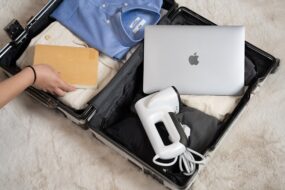
It goes without saying that packing the right items is crucial for maintaining your health while traveling. Here are some essential items to include:
- Medications: Always carry enough asthma and allergy medication for the duration of your trip, plus a little extra just in case.
- Inhaler: Keep your rescue inhaler handy. Some travelers forget where they put it. Consider using a travel pouch to keep it easy to find.
- Allergy labels: Bring labels for food allergies. These can be handy if you don’t speak the local language. It’s a good way to ensure your safety when eating out.
- Air Quality Meter: Sometimes, it’s worth investing in small air quality monitors, especially if you’re heading to a place known for poor air quality.
Choose Accommodations Wisely
Your choice of where to stay can make a tremendous difference in managing your allergies and asthma. Look for accommodations with good air quality and that provide allergy-friendly options. Here are a few tips:
- Check for Non-Smoking Policies: Make sure your hotel or Airbnb is smoke-free. Smoke can exacerbate asthma symptoms.
- Ask About Cleaning Products: Some hotels use strong cleaning chemicals. It’s worth reaching out ahead to ask about their cleaning protocols.
- Choose Hard Flooring: Carpets can trap allergens like dust and pollen. If possible, opt for places with hard floors where allergens can’t settle as easily.
Stay Aware When Dining Out
Nothing can ruin a trip faster than an allergic reaction from food. When dining out, be your own advocate. Here’s what most people get wrong: assuming the waitstaff understands your allergies fully. Communicate clearly. Don’t just say “I have a nut allergy.” Instead, specify exactly what you can’t have and ask them how the food is prepared—this includes fryer oils and cross-contamination risks. Here are some additional tips:
- Learn Key Phrases: If you’re traveling to a country where you don’t speak the language, learn basic phrases related to your allergies. Pointing to food items on a menu while asking, “Does this contain…?” can be a lifesaver.
- Research Restaurants: Before you go, look for restaurants that cater to people with dietary restrictions, including allergies. Many dining establishments today take allergies seriously and will have safe options.
Monitor Air Quality
If you’re traveling with asthma, you know air quality can dramatically affect your comfort and health. Take advantage of technology to keep track. There are numerous apps that can monitor air quality in real-time. You can also check websites that offer air quality indexes specific to your destination. In cities known for pollution or during allergy seasons, staying informed will empower you to minimize your exposure. Plan outdoor activities on days when air quality is at its best.
Make a Plan for Emergencies
No one wants to think about emergencies while traveling, but being prepared could make a world of difference. Always keep an emergency kit on hand that includes:
- Your medications
- Information about your specific allergies and asthma
- Contact information for your healthcare provider
- An emergency contact person at home
Know where to find the nearest hospital or urgent care facility at your destination—just in case. Having a plan in place eases the mind and allows you to enjoy your trip more fully.
Don’t Hesitate to Transform Plans
Travel plans don’t always pan out. In my experience, it’s better to adjust your itinerary than to put your health at risk. If the smog is too much in the city or a restaurant doesn’t accommodate your dietary needs, don’t hesitate to make a change. Flexibility is key when you’re traveling with allergies and asthma. Instead of “forcing” a certain experience, ask yourself, “How can I adjust this to keep myself safe?” Sometimes, exploring unexpectedly beautiful areas might offer a breath of fresh air.
Final Thoughts
Traveling with allergies and asthma doesn’t have to feel daunting. By arming yourself with knowledge and taking proactive steps, you can have a fulfilling and enjoyable experience. It’s all about preparation, awareness, and listening to your body. Remember, enjoying your trips shouldn’t come at the cost of your health. Take it one step at a time, and you just might find yourself on a memorable adventure without any health hiccups. Safe travels!