Have you ever experienced the panic of trying to enjoy a meal while worrying about potential allergic reactions? If you have food allergies, the thought of traveling can be a mix of excitement and anxiety. You might be eager to explore new cultures and cuisines, yet fear that a simple meal could lead to serious health risks. So how do you manage traveling with food allergies? Here are essential tips that could make your trips much smoother and safer.
Research Your Destination
Before you even think about packing your bags, take some time to research your travel destination. Understanding the local cuisine and common allergens in that region can help prepare you for what to expect. For example, certain countries may use ingredients like peanuts or shellfish more frequently than others.
Here’s what most people get wrong: they underestimate the importance of this step. Just because a country is known for a particular dish doesn’t mean you’ll have to completely avoid it. Learning about safe alternatives or popular local dishes can really expand your options!
Communicate Your Needs Effectively
When you’re traveling, it’s crucial to communicate your food allergies clearly and effectively. This includes informing restaurant staff, hotel personnel, and even your travel companions. If you’re traveling internationally, consider learning a few key phrases in the local language.
- “I’m allergic to…” – A simple and direct way to start the conversation.
- “Can you confirm that this dish is free from…” – This helps to get clarity.
- “What ingredients are in this dish?” – It’s always good to ask.
In my experience, simply mentioning your allergies often results in the staff taking extra precautions. Some might even go out of their way to prepare a meal that is safe for you.
Bring Your Own Snacks
Let’s be real: relying solely on restaurants can be risky. Carrying your own snacks is a great way to ensure you have something safe to eat, especially during long travel days or when you’re exploring off the beaten path. Consider packing items like:
- Granola bars (check the ingredients carefully!)
- Nuts (if you’re not allergic to them)
- Fruit
- Specialty snacks free from allergens
Not only will this ease your mind about what you’re consuming, but it can also save you money on food while you’re on the road! Plus, it’s nice to have a crunchy snack ready for those in-between moments.
Utilize Food Allergy Apps
In this day and age, technology can be your best friend when it comes to managing food allergies. There are several food allergy apps designed to help travelers find safe eateries and learn more about local food options. Some popular ones include:
- Find Me Gluten Free – Perfect for those with gluten intolerances.
- Snack Safely – Helps you find allergen-free snacks.
- AllergyEats – An app focused on restaurant reviews by those with allergies.
Most of these apps include user reviews that can provide insights into how restaurants handle food allergies. This firsthand information is invaluable!
Be Prepared with Documentation
If you have specific allergies, bringing along documentation can be a lifesaver. This could include:
- Doctor’s note explaining your allergies
- Translated allergy cards for international travel
- Emergency action plan for allergic reactions
Having a doctor’s note can help convey the seriousness of your condition, especially in situations where restaurant staff may not take you seriously. A translated card detailing your allergies can mitigate misunderstanding, serving as a language barrier breaker.
Consider Local Cuisine Options
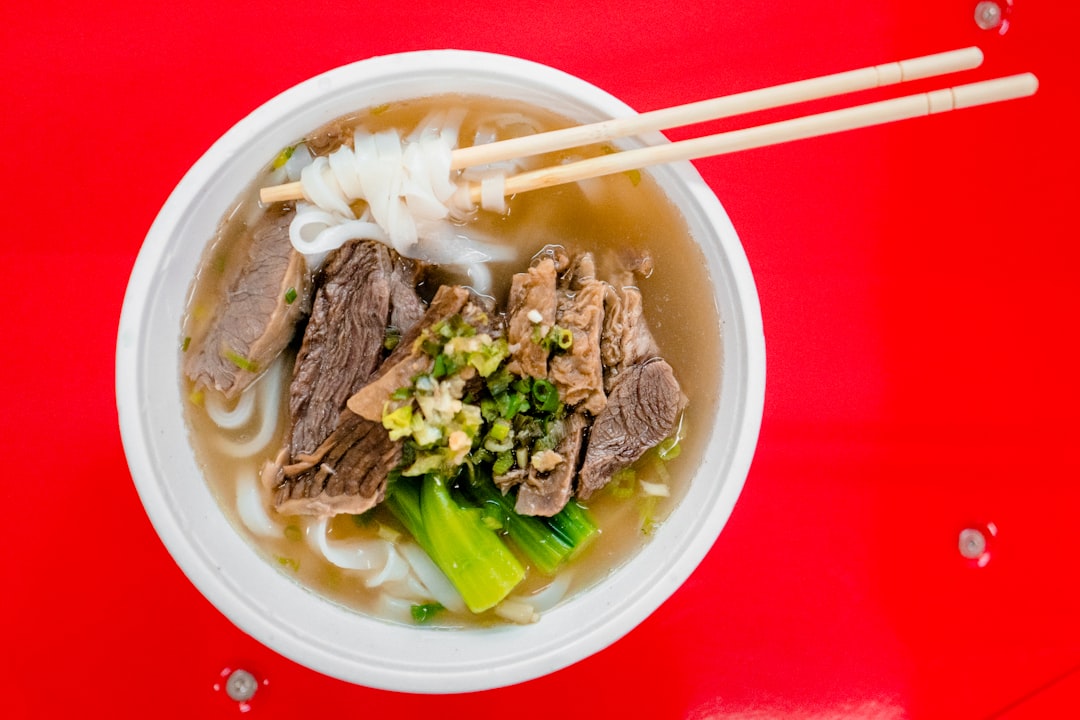
When traveling, don’t shy away from local cuisine just because you have food allergies. Often, traditional dishes are more straightforward and free from the processed ingredients that commonly cause allergic reactions. For instance, Asian cuisines like Japanese or Vietnamese often include fresh ingredients that are less likely to be contaminated.
Remember, your goal is to enjoy the culture! Engage with locals or fellow travelers to find out about safe local dining options. It can be a rewarding experience, and you may discover hidden gems that cater to your dietary restrictions.
Understand Emergency Procedures
Every traveler should know what to do in case of an allergic reaction. Take a moment to familiarize yourself with emergency procedures in your destination. This includes:
- Identifying the nearest hospital or medical facility
- Knowing emergency contact numbers
- Carrying necessary medications, such as EpiPens
When you arrive at your destination, map out where the nearest medical facilities are located. This may sound extreme, but it’s better to be prepared than to panic later.
Enjoy Your Culinary Adventure
Traveling with food allergies might seem daunting, but it doesn’t have to hinder your experience. With careful planning and the right approach, you’re more than capable of enjoying the culinary delights your destination has to offer. In fact, it can be quite rewarding to discover new safe options that suit your dietary needs.
Never let your allergies hold you back from exploring the world. Instead, arm yourself with knowledge, stay transparent about your needs, and savor every delicious moment of your travels. Safe eating while traveling isn’t just about avoidance; it’s also about embracing and enjoying what you can have!
In conclusion, being proactive with these traveling with food allergies tips will go a long way in keeping you safe and allowing you to indulge in new experiences. Happy travels!