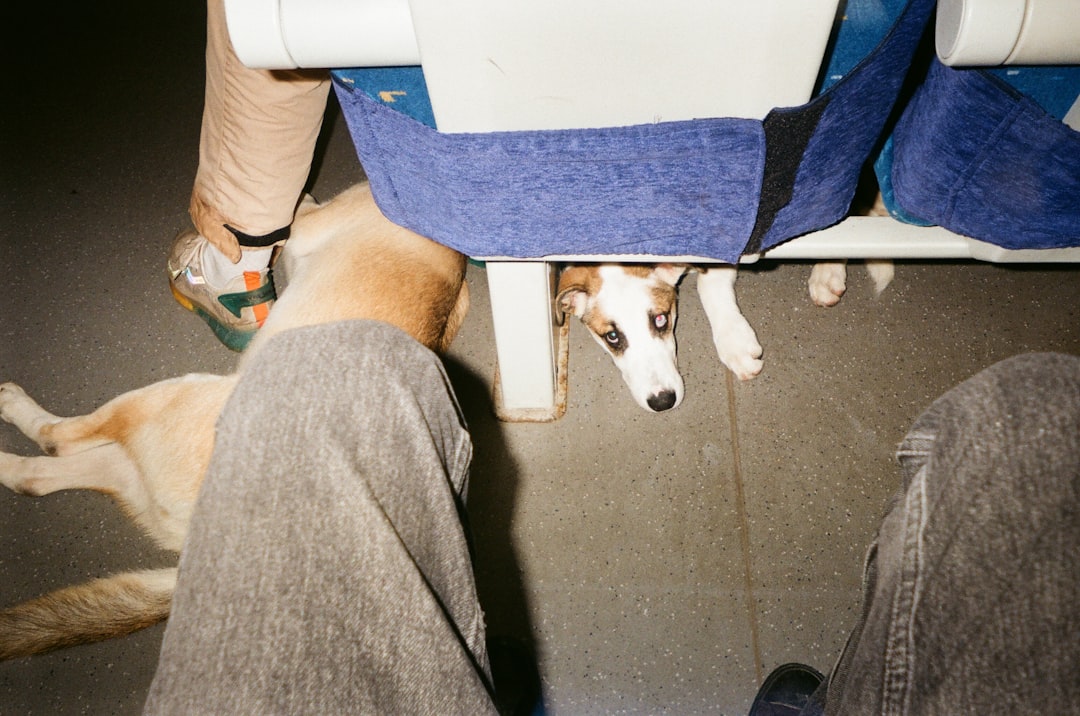
Imagine you’re at the airport, your boarding pass in hand, and there’s a soft whimper beside you. Your furry friend is eager to join the adventure, but you can’t shake that nagging worry—what’s it really like traveling with pets on flights? From airplane safety to airline pet policies, it can feel overwhelming. But don’t fret! With some insider tips and a bit of planning, you can ensure that your pet also has a fantastic flying experience.
Do Your Research Early
The first step in traveling with pets on flights is understanding the airline pet policies. Different airlines have different rules regarding the transport of animals, which can significantly affect your travel plans. For instance, some airlines allow pets in the cabin, while others require them to travel in the cargo hold.
Check to see if your airline has a limit on the number of pets allowed in the cabin. Most budget airlines, for example, have stricter policies, so it’s worth double-checking before booking your tickets. Also, pay attention to the dimensions of the carrier; it needs to fit under the seat in front of you. I recommend calling the airline directly for the most accurate information. In my experience, this reduces any last-minute surprises at the airport.
Choosing the Right Carrier
Finding the right carrier is crucial when flying with animals. A well-ventilated, sturdy carrier can make a world of difference. Look for one that’s both comfortable for your pet and meets the airline’s requirements. If you haven’t already, consider acclimating your pet to their carrier before the flight. Place their favorite blanket or toy inside, so they associate it with comfort and safety.
Here’s what most people get wrong: they think one size fits all. Measure your pet and compare it against the carrier dimensions. If you’re using a soft-sided carrier, it needs to be flexible enough to fit under the seat. Remember, your fuzzy buddy will need a bit of space to sit, stand, and turn around comfortably.
Health Check and Vaccinations
Before the big day arrives, you should schedule a vet appointment. Ensuring your pet is healthy enough to fly is a priority. Some airlines require a health certificate issued by a veterinarian within a specific timeframe before departure. Most dogs and cats should be vaccinated, especially if you’re traveling internationally. You don’t want to find out at the airport that your pet isn’t up-to-date on their shots!
Additionally, if your animal has a pre-existing medical condition, consult your vet. They might recommend medication to help keep your pet calm during the flight. This brings up another common misconception: not all pets require sedatives. Some pets travel just fine without them; it often depends on their temperament.
Planning for the Journey
When you’re preparing for traveling with pets on flights, planning your itinerary is equally essential. Aim for direct flights whenever possible. Layovers can add unnecessary complications, not to mention added stress for your furry friend. Also, consider flight times. Early morning or late-night flights can be quieter, which might help reduce anxiety for both of you.
- Book a Nonstop Flight: The fewer transfers, the better!
- Choose Your Seat Wisely: An aisle seat gives you a bit more space.
- Travel During Off-Peak Hours: Lessen the hustle and bustle.
Pre-Flight Routine
The day before your flight, make sure Fido or Whiskers gets plenty of exercise. Take them for a long walk, play fetch, or engage in some fun activities that will tire them out. A sleepy pet is usually a calm pet, which is essential when flying.
On the day of the flight, pack a travel bag for your pet. Include some essentials like their favorite toys, a blanket, snacks, and a portable bowl for water. It also helps to keep a small stash of poop bags or litter if your pet happens to be especially anxious.
During the Flight
When you finally board the plane, it’s important to remain calm. Pets are sensitive to their owners’ emotions, so if you’re anxious, they may pick up on this. Keep your pet’s carrier close to you, allowing them to hear your comforting voice as you reassure them throughout the flight.
During the flight, offer treats or toys to keep them engaged. If your pet is calm, they’re less likely to attract attention or cause disturbances. Make sure they have ample access to water but avoid overfeeding before the flight; a full belly can lead to discomfort.
Arriving at Your Destination
Once you land, the first thing to do is get your pet out of the carrier and allow them to stretch their legs—this is crucial! After a long flight, they’ll appreciate the chance to move around and sniff their new environment. Gradually introduce them to your new surroundings and provide plenty of reassurance.
If you’re traveling internationally, do your homework on import/export regulations and potential quarantine periods for pets. Different countries have various rules, so make sure you’re informed to avoid potential hassles upon arrival.
Post-Flight Care
Upon arrival, it’s essential to monitor your pet for signs of stress. Pets may act differently after a flight, so keep an eye on their eating habits, energy levels, and general demeanor. If you see excessive panting or lack of appetite, it might be a sign they’re still feeling anxious. Provide a calm, quiet space for them to decompress.
Final Thoughts
Traveling with pets on flights isn’t just about getting from point A to B; it’s about creating memories together. With the right preparation and an understanding of airline pet policies, the experience can be rewarding for both you and your furry companion. Take the time to do the research, plan thoroughly, and keep your pet’s well-being at the forefront of your travels.
Remember, every pet is different. What works for one may not work for another, so be flexible and adapt as needed. Whether it’s your first flight or your twentieth, having your furry friend by your side can make the travel experience all the more enjoyable. Happy travels!