Have you ever been in a situation where you’re at home, trying to stream your favorite show, and the video freezes because of a weak Wi-Fi signal? Frustrating, right? I can’t count how many times that’s happened to me. With more people working from home and streaming services becoming a staple, having a strong Wi-Fi signal is essential. So, let’s explore some practical and effective ways to improve your Wi-Fi signal at home.
Understanding Wi-Fi Basics
Before diving into the tips, it’s important to understand how Wi-Fi works. Wi-Fi signals are transmitted through electromagnetic waves, typically using radio frequencies at 2.4 GHz or 5 GHz. The 2.4 GHz band has a longer range but is generally slower, while the 5 GHz band is faster but has a shorter range. Knowing the differences can help in deciding how to improve your Wi-Fi signal.
Choosing the Right Router
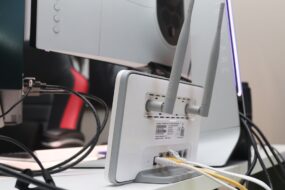
Your router acts like the heart of your home network. It’s vital to choose one that suits your needs. Here’s what most people get wrong: they often stick with the router that their internet service provider (ISP) provided, which may not be the best option. Investing in a high-quality router can significantly enhance your Wi-Fi signal. Look for one that supports dual-band Wi-Fi for better performance.
Key Features to Consider
- Antenna Type: External antennas typically provide better coverage than internal ones.
- Wi-Fi Standard: Aim for the latest Wi-Fi 6 standard for improved speed and efficiency.
- Coverage Area: Ensure your router can cover your entire home. Check the specifications to see the range it supports.
Placement Matters
Believe it or not, where you place your router can make a significant difference. In my experience, I’ve found that many people underestimate this factor. Here are some tips on optimal placement:
- Central Location: Position your router in a central part of your home to maximize coverage.
- Elevated Position: Place your router on a shelf or high furniture instead of on the floor.
- Avoid Obstacles: Keep it away from walls, metal objects, and electronic devices that may interfere with the signal.
Wi-Fi Signal Strength Tips
Now that you have the basics down, let’s explore some actionable Wi-Fi signal strength tips that can help you boost your Wi-Fi signal:
Update Your Router Firmware
Router manufacturers often release firmware updates that can enhance performance and security. Check your router settings regularly and update the firmware when necessary. This is a simple step that can have a big impact. Even if you think everything’s working fine, upgrading can lead to improvements you didn’t even know were possible.
Reduce Interference
There are many devices in your home that can interfere with your Wi-Fi signal. Cordless phones, microwaves, and Bluetooth devices can cause disruptions. If you notice weak signals in certain areas, try to identify potential sources of interference and move them away from your router, or relocate your router if possible.
Change the Channel
Your Wi-Fi network might be competing with others in your vicinity. By default, routers often use common channels. Changing your Wi-Fi channel can reduce congestion and improve performance. Use apps like WiFi Analyzer to find the best channel for your network. This little tweak can sometimes work wonders in improving your Wi-Fi signal.
Boosting Your Wi-Fi Signal with Extenders
If you’ve tried everything and still struggle with coverage, consider investing in Wi-Fi extenders or mesh systems. Wi-Fi extenders extend your signal to hard-to-reach areas, while mesh systems provide multiple access points throughout your home.
Mesh Wi-Fi Systems
Mesh systems are particularly appealing if you have a large home or multiple floors. They work together to give you comprehensive coverage without dead spots. In my experience, many people find that a good mesh system can make a noticeable difference in their internet speed and overall usability.
Range Extenders
Range extenders can be an affordable option for boosting Wi-Fi signals. They capture your existing Wi-Fi signal and amplify it, extending the coverage area. Place them midway between your router and the dead zone for best results. However, keep in mind that while extenders can help, they may reduce the maximum speed.
Wired Connections for Stability
If you need consistent internet speed, especially for activities like gaming or streaming in high definition, consider using a wired Ethernet connection where possible. Wired connections offer reliability that Wi-Fi often can’t match. For the devices that require a stable connection, this might be the best solution.
Adjusting Bandwidth Settings
Did you know that you can prioritize certain devices on your network? Most modern routers come with Quality of Service (QoS) settings, allowing you to allocate bandwidth to specific devices. This is a handy feature, especially if you have multiple family members using the internet simultaneously. You can ensure that your work laptop or streaming device gets the speed it needs, while other devices take a back seat.
Monitor Network Usage
It’s also wise to keep an eye on what devices are connected to your network. Guest users or devices that you’ve forgotten about can slow things down. If anyone on your network isn’t using good security practices, they can drain your bandwidth and potentially expose your information. Regularly changing your password can also help keep unwanted guests off.
Final Thoughts: Stay Proactive
Improving your Wi-Fi signal is often about being proactive. It’s not just a one-time task—it’s something you should consistently manage. Periodically check your setup, update your devices, and keep an eye on interference. Every step you take can help create a better internet experience in your home.
Remember, a strong Wi-Fi connection isn’t just about speed; it’s about enjoying the seamless experience that comes with reliable internet. Implement some of these tips, and you might be surprised by how easy it is to improve your Wi-Fi signal at home!