Imagine it’s a rainy Saturday afternoon, and you’re cozied up on the couch, ready to binge-watch your favorite series. You press play, but the video starts buffering… again. Frustrating, right? When it comes to our home networks, a weak Wi-Fi signal can turn a relaxing day into an agonizing one. Thankfully, there are plenty of ways to boost Wi-Fi signal strength and get your connection back on track. Let’s dive into some practical tips that can help improve Wi-Fi connectivity in your home.
Understanding Your Wi-Fi Signal
Before jumping into solutions, it’s important to have a basic understanding of how Wi-Fi signals work. Wi-Fi uses radio waves to transmit data between your router and devices. The distance from the router, physical obstructions like walls and furniture, and interference from other devices all play a role in the signal’s strength.
Here’s what most people get wrong: they often assume that as long as their router is working, their Wi-Fi should be fine. However, several factors can contribute to a weak signal. This knowledge lays the foundation for how to effectively boost Wi-Fi signal strength.
Optimal Router Placement
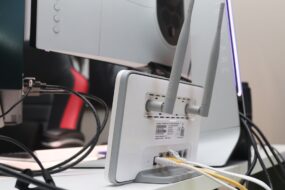
Your router’s location can make a world of difference in your Wi-Fi performance. If it’s hidden away in a basement, for example, you’re probably not getting the best signal in your upstairs bedroom.
- Central Location: Ideally, place your router in the center of your home to ensure an even distribution of the signal. If you live in a two-story house, position it on the upper floor.
- Avoid Obstructions: Keep your router away from thick walls, metal objects, and appliances like microwaves that can interfere with the signal.
- Elevate Your Router: Positioning your router on a shelf or high table can help improve the coverage area. The higher it is, the less obstructions it faces.
In my experience, simply moving the router a few feet can make a noticeable difference in signal strength throughout the house.
Update Your Router’s Firmware
Another often overlooked aspect is the firmware of your router. Manufacturers periodically release updates to fix bugs, improve performance, and add new features. An outdated router can slow down your home network.
To check for updates, log into your router’s admin panel through your web browser. Look for a section that mentions firmware updates and follow the prompts. This simple step can significantly help boost Wi-Fi signal strength without requiring any additional hardware.
Change the Channel and Frequency Band
Wi-Fi networks operate on different channels, and if too many networks are using the same channel, it can create interference. Your router typically selects the channel automatically, but manually adjusting it can lead to improvements.
- 2.4 GHz vs. 5 GHz: Modern routers offer both frequency bands. The 2.4 GHz band covers a wider area but is slower, while the 5 GHz band provides faster speeds over shorter distances. Try switching to the 5 GHz band if you’re close to the router.
- Choose Less Crowded Channels: Use a Wi-Fi analyzer app to see which channels nearby networks are using. Selecting a less congested channel can improve your network’s performance.
Upgrade Your Hardware
If you’re still struggling after trying the previous tips, it might be time for a hardware upgrade. A good router can make a huge difference in your home network optimization.
- Invest in a Dual-Band or Tri-Band Router: These routers can handle multiple devices better and provide faster speeds.
- Consider a Mesh Network: If you have a large home, a mesh Wi-Fi system can help ensure a strong connection in every corner.
Many people underestimate the impact of their router’s technology. Upgrading often brings a noticeable improvement in Wi-Fi signal strength.
Utilize Wi-Fi Extenders or Access Points
Sometimes, just moving your router isn’t enough. If you have dead spots in your home, using Wi-Fi extenders or adding access points can help.
- Wi-Fi Extenders: These devices connect to your router and relay the signal to areas where it’s weak. They work best in homes where the distance from the router leads to a drop in signal.
- Access Points: If you have Ethernet cables run throughout your home, installing additional access points can help you achieve stronger Wi-Fi in those spaces.
In my experience, one or two extenders can significantly enhance connectivity in larger homes, reducing buffering and improving overall streaming quality.
Limit Devices and Bandwidth Usage
If the signal strength is still lacking and you’ve got multiple devices pulling on your network, it may be time to evaluate your usage. Each device connected to your Wi-Fi consumes bandwidth, and this can quickly add up.
- Schedule Downloads: Try scheduling large downloads or updates during off-peak hours, like late at night, to lessen the load on your network during the day.
- Prioritize Devices: Some routers allow you to prioritize certain devices or applications. If your work relies on a stable connection, consider giving that device higher priority.
Regular Maintenance and Monitoring
Lastly, regular maintenance can’t be neglected. Just as you’d check your car every few months, your home network deserves attention too. Regularly monitoring your network conditions can help you troubleshoot issues before they become major problems.
- Run Speed Tests: Use online speed tests to check your current speeds and get an idea of whether you’re getting what you pay for from your ISP.
- Change Passwords: Keeping your network secure is crucial. Regularly change your Wi-Fi password to prevent unauthorized access.
- Reset Your Router: Sometimes, a simple reset can improve performance. It’s good practice to give it a reboot now and then.
By taking just a few proactive steps, you can significantly improve your home network optimization and enjoy a far superior online experience.
Conclusion
Struggling with weak Wi-Fi is a common frustration, but it doesn’t have to be a permanent issue. By understanding the basics of your network, optimizing your router’s location, and considering hardware upgrades when necessary, you can easily boost Wi-Fi signal strength. Remember, it’s the small changes that can make a big difference.
Get those tips in action, and soon enough, that rainy Saturday binge-watching can go uninterrupted. Whether it’s streaming your favorite shows, working from home, or just browsing the web, reliable Wi-Fi makes all the difference.