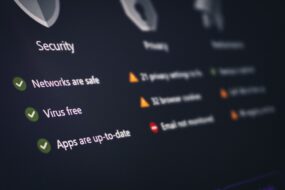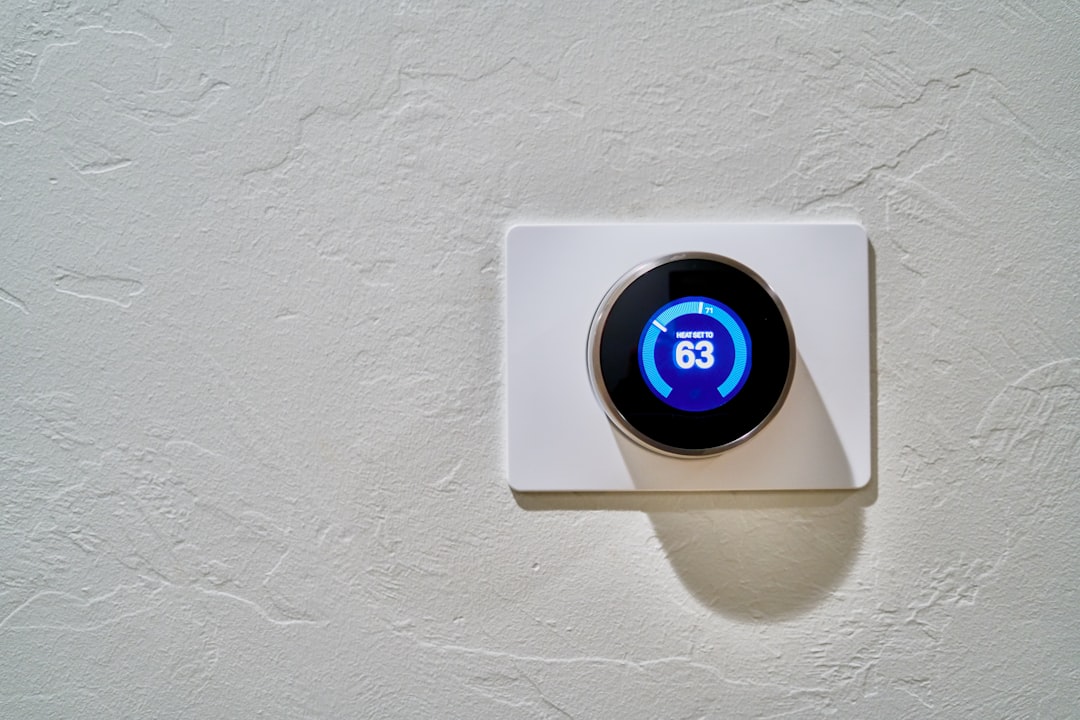
Picture this: you come home from a long day, and with just a few taps on your phone, the lights turn on, the thermostat adjusts to your favorite temperature, and the security system disarms. It’s a cozy and convenient life that smart home devices offer. But with convenience often comes vulnerability. How do you secure your smart home devices and ensure that your cozy abode doesn’t turn into an open invitation for hackers? Let’s find out!
The Importance of Securing Your Smart Home Devices
As we embrace the comfort of home automation, we must also recognize the risks. Each connected device can act as a doorway for malicious actors to invade your privacy and compromise your security. Whether it’s your smart thermostat, doorbell camera, or smart fridge, these gadgets can be targeted if not adequately protected. In my experience, the real danger often lies in the everyday habits of users. Most people don’t give a second thought to how their smart devices are being secured, assuming the manufacturers have done all the work, which isn’t always the case.
Getting Started: Basic Smart Home Security Tips
Before diving into advanced security measures, let’s explore some basic smart home security tips that everyone should implement. These foundational steps can go a long way in keeping your smart devices safe.
- Change Default Passwords: Never keep the default password for your devices. These are often easy for hackers to guess or find online.
- Create Strong Passwords: Your passwords should be a mix of letters (both upper and lower case), numbers, and special characters. The longer, the better!
- Enable Two-Factor Authentication: Whenever possible, turn on two-factor authentication for additional security. This way, even if someone guesses your password, they won’t get in without that second factor.
- Update Firmware Regularly: Manufacturers often release updates to fix security vulnerabilities, so regularly check for updates and install them promptly.
Network Security: Protecting Your Wi-Fi Connection
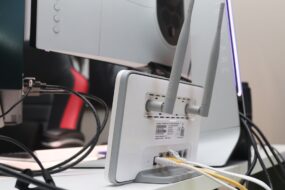
Your smart home devices rely on your Wi-Fi network, making it a prime target for intruders. Here are some essential steps you can take to secure your network:
- Change Your Wi-Fi Password: Just like your device passwords, make your Wi-Fi password strong and unique.
- Use a Strong Encryption Method: Ensure your Wi-Fi is using WPA3 or, at the very least, WPA2 encryption protocol.
- Hide Your Wi-Fi SSID: Hiding your network name makes it less visible to potential hackers.
- Create a Guest Network: If you have visitors who need to connect to your Wi-Fi, create a guest network that doesn’t have access to your primary network or smart devices.
Protecting Individual Devices: Beyond the Basics
Once your network is secure, it’s time to focus on securing individual devices. Each device may have its specific security settings, and here’s what most people get wrong: they often overlook reviewing them.
Smart Cameras and Doorbells
When it comes to smart cameras and doorbells, they’re often the first line of defense against intruders. Here’s how to protect them:
- Set Unique Passwords: Ensure the passwords for these devices are unique and different from other devices.
- Disable Unused Features: If your camera has features like remote viewing that you don’t use, consider disabling them.
- Beware of Shared Access: If you allow family members or friends access to your cameras, ensure they understand the importance of security, too.
Smart Speakers
Smart speakers are convenient for controlling other devices and answering queries, but they also raise privacy concerns:
- Mute the Microphone: Most smart speakers have a physical mute button. Use it when you want to ensure nobody is listening.
- Review Voice Recordings: Regularly check and delete past voice recordings to minimize risks associated with data storage.
The Role of Home Automation Security Systems
Integrating a dedicated home automation security system can significantly bolster your smart home security. From motion detectors to full security camera setups, these systems provide enhanced monitoring of your property. Here’s what to consider:
- Choose a Trusted Brand: Look for well-known brands with positive reviews regarding their commitment to security.
- Connect to a Secure Hub: Consider using a smart home hub that acts as a middleman between your devices and the internet. This can provide an added layer of security.
- Regular System Updates: Just like any other smart device, ensure that your home automation security system is updated regularly.
Advanced Tips for Tech-Savvy Users
If you feel confident in your tech skills, there are a few advanced precautions you can explore that offer additional layers of security:
- Segmented Networks: Set up separate networks for your smart devices and your personal devices. This minimizes the risk of a breach affecting your main devices.
- VPN for Smart Devices: Using a VPN specifically for your smart devices can help to anonymize your online activity, making it much harder for anyone to track or hack into your system.
- Monitor Your Network Traffic: Use applications or routers that allow you to monitor incoming and outgoing traffic. If you notice anything suspicious, take immediate action.
Common Mistakes to Avoid
Securing your smart home isn’t just about following advice; it’s also about avoiding common traps. Here are a few mistakes to steer clear of:
- Neglecting Updates: Skipping firmware updates might seem harmless, but they are essential for protecting your devices from newly discovered vulnerabilities.
- Using the Same Passwords: Many people use the same password across different services. If one device gets compromised, all your devices can be at risk.
- Ignoring Privacy Settings: Take the time to go through the privacy settings on each device, and adjust as necessary to fit your security needs.
The Bottom Line: Secure Your Smart Home Devices
In conclusion, securing your smart home devices is more crucial than ever. It’s not just about convenience; it’s about protecting your privacy and your peace of mind. While the steps outlined may take some time to implement, every bit of effort makes a significant difference. If you take securing your smart home devices seriously, you’ll enjoy the convenience of technology without compromising your safety. As trends evolve and technology becomes more integrated into our lives, staying informed and cautious is key. So, take a moment, review your devices, and ensure you’re doing everything possible to protect your home.